
Planting
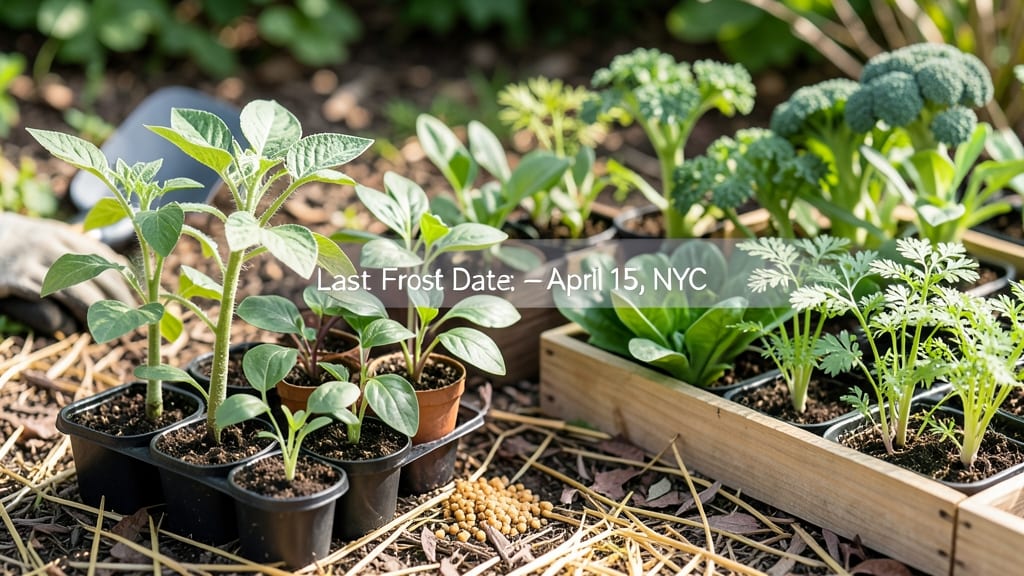
To plant vegetables in NYC, time your sowing for mid-April to early May in most zones, when soil temperatures hit 50°F and the last frost has passed.
New York City’s unpredictable frost dates can make or break your vegetable garden—planting too early risks frost damage, while waiting too long cuts your harvest window short.
This guide breaks down NYC’s microclimates (Manhattan’s urban heat island vs. Brooklyn’s coastal breezes) to help you pick the perfect moment for everything from leafy greens to tomatoes.
You’ll learn how to adjust for container gardening, extend seasons with row covers, and avoid common mistakes that waste months of growth.
NYC frost dates 2024: critical planting windows by season
New York City’s frost dates vary dramatically across neighborhoods due to urban heat islands and coastal influences. Manhattan’s concrete jungle warms up faster than Brooklyn’s coastal breezes, while Staten Island often experiences earlier frosts.
These microclimates mean your last spring frost could arrive weeks earlier in Queens than in the Bronx. Understanding these patterns helps you time vegetable planting for maximum success.
For 2024, NYC’s average last frost date typically falls between April 15 and May 1, but coastal areas like Brooklyn and Queens may see frost-free conditions by April 1. Inland areas like the Bronx and Staten Island often wait until mid-May.
The first fall frost usually arrives between October 15 and November 15, with coastal areas holding off slightly longer.
Here’s how these frost dates impact your planting schedule: Cold-hardy crops like peas, spinach, and kale can go in the ground as early as March 15 in containers or under row covers. Heat-loving vegetables such as tomatoes, peppers, and eggplants should wait until after the last frost date, typically mid-May, to avoid stunted growth or death.
| Neighborhood | Avg. Last Spring Frost | Avg. First Fall Frost | Early Planting (Mar-Apr) | Late Planting (May-Jun) |
|---|---|---|---|---|
| Manhattan | April 22 | October 28 | Peas, spinach, kale | Tomatoes, peppers, basil |
| Brooklyn | April 15 | November 5 | Lettuce, radishes, onions | Cucumbers, beans, squash |
| Queens | April 10 | November 1 | Arugula, Swiss chard, carrots | Okra, sweet potatoes, corn |
| Staten Island | May 5 | October 15 | Cold frames only (hardy greens) | Peppers, eggplants, melons |
| Bronx | April 28 | October 20 | Broccoli, cabbage, beets | Tomatoes, peppers, herbs |
If you’re planting cool-season vegetables like lettuce or spinach, start seeds indoors in late February to transplant outdoors after the last frost date. For warm-season crops, wait until soil temperatures reach at least 60°F, which usually happens by mid-May.
Use a soil thermometer to confirm—cold soil can stunt root growth.
Urban gardeners should also account for container gardening adjustments. Pots heat up faster than in-ground soil, so heat-loving plants like tomatoes can often be planted 1-2 weeks earlier in containers.
Conversely, cool-season crops may need row covers to protect against late frosts, extending your planting window by 2-3 weeks.
For fall planting, start warm-season crops like bush beans or zucchini in early July to harvest before the first frost. Cool-season crops can be sown as late as mid-August for a fall harvest.
Always check local weather alerts—NYC’s frost dates can shift by 1-2 weeks due to unpredictable weather patterns.
Pro tip: Use NYC’s Planting Calendar from the NYC Parks GreenThumb program for real-time updates. Their frost date maps account for yearly variations, helping you adjust your planting schedule dynamically. Pair this with succession planting to maximize your harvest window—sow fast
How to extend NYC’s growing season for year-round harvests
NYC’s short frost-free season (about 180 days) makes extending your harvest critical. With the right strategies, you can enjoy fresh produce from spring greens to fall squash—and even overwinter delicate crops. The key lies in combining seasonal extensions with smart crop selection.
Start by focusing on cool-season crops like kale, spinach, and broccoli, which thrive in 50-60°F soil. These can handle light frosts, while warm-season crops like tomatoes and peppers need consistent warmth above 60°F. Layering these with protective tools maximizes your growing window.
| Method | Best For | Extension Period | Ease of Use |
|---|---|---|---|
| Cold Frames | Leafy greens, herbs | 3-4 weeks earlier/later | Moderate (DIY or store-bought) |
| Row Covers | Broccoli, carrots, peas | 4-6 weeks earlier/later | Easy (lightweight fabric) |
| Succession Planting | Lettuce, radishes, beans | Continuous harvest | Low (staggered sowing) |
| Heat-Tolerant Varieties | Tomatoes, peppers, okra | 2-3 weeks longer | Easy (seed selection) |
For cool-season crops, use row covers or low tunnels to trap heat and shield plants from early frosts. These work wonders for extending harvests into late fall—I’ve kept kale producing until December with a simple hoop house.
Prioritize fast-maturing varieties like ‘Early Wonder’ peas or ‘Salad Bowl’ lettuce for quick turns.
Warm-season crops benefit from black plastic mulch or straw bales to warm soil faster. Plant heat-loving varieties like ‘Solar Fire’ peppers or ‘Brandywine’ tomatoes after the last frost, but use shade cloth in peak summer to prevent bolting.
This keeps your harvest going until the first hard frost in November.
Don’t overlook succession planting—sow radishes every 2 weeks for a steady supply, or replace bolted lettuce with spinach in late summer. Pair this with container gardening for flexibility; move pots to sunniest spots as seasons shift. With these tactics, you’ll turn NYC’s short season into a year-round harvest.
Start small with one method—like a cold frame for greens or row covers for broccolimatch your tools to your crops, not force every plant to thrive outside its ideal window. Happy growing!