
Light Requirements
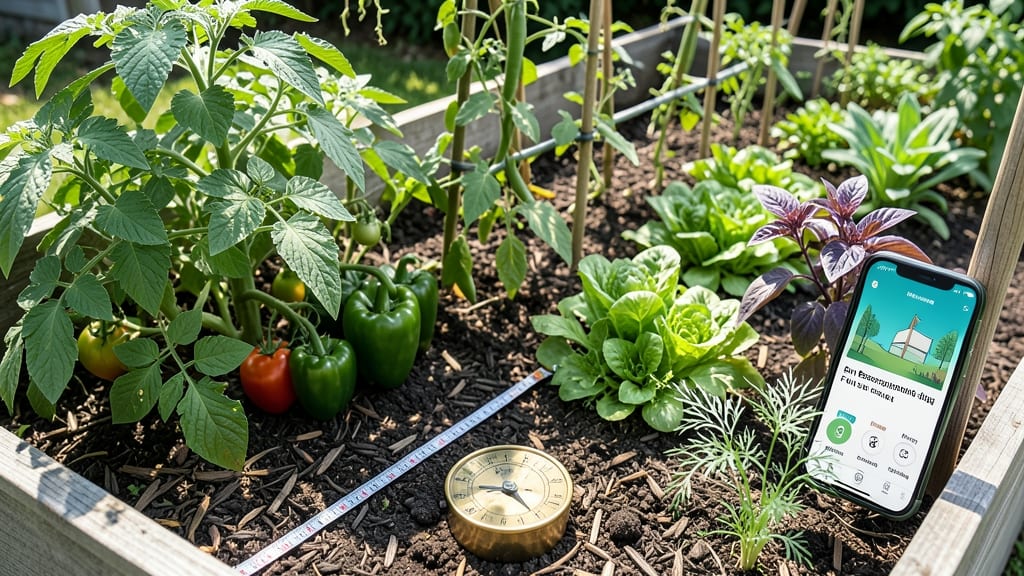
To get the right amount of sun for your vegetable garden 🥕, aim for 6 to 8 hours of direct sunlight daily—but not every crop needs that much, and too much can scorch your plants.
Struggling to get the best yields from your vegetable garden? Sunlight exposure is the single most critical factor—yet many gardeners get it wrong, leading to stunted growth or wasted effort.
Some veggies, like tomatoes and peppers, thrive in full sun, while others, such as leafy greens, do just fine with partial shade. The key is matching each plant’s needs to its spot in the garden.
Below, I’ll break down exactly how much light different vegetables need, how to measure sunlight in your space, and tips for adjusting your garden layout for bigger, healthier harvests.

Sunlight requirements for vegetable gardens: full sun vs partial shade breakdown
Understanding sunlight requirements for your vegetable garden is like giving your plants the right amount of energy to thrive. Most vegetables need 6-8 hours of direct sunlight daily, but some can handle less - and getting this wrong can mean the difference between a bountiful harvest and struggling plants.
I’ve seen firsthand how partial shade can ruin a tomato crop while saving a delicate leaf lettuce from bolting.
Not all vegetables are created equal when it comes to sunlight. Full sun lovers like tomatoes, peppers, and cucumbers will wilt or produce poorly with less than 6 hours of direct light.
Meanwhile, partial shade plants such as spinach, kale, and green onions prefer 3-6 hours of sun and can even tolerate morning shade. The key is matching your garden layout to each plant’s needs.
Here’s a quick visual guide to help you categorize your garden plants by sunlight needs:
| Vegetable | Sunlight Needs | Growth Impact | Common Mistakes |
|---|---|---|---|
| Tomatoes, Peppers, Cucumbers | 6-8 hours (Full Sun) | Poor fruit set, weak stems | Overcrowding, insufficient light |
| Carrots, Beets, Onions | 4-6 hours (Partial Sun) | Bolting, bitter taste, stunted roots | Too much heat, inconsistent water |
| Spinach, Lettuce, Kale | 3-5 hours (Partial Shade) | Bolting, yellowing leaves | Direct afternoon sun, poor soil |
| Green Onions, Radishes, Peas | 3-4 hours (Low Light) | Slow growth, weak stems | Overwatering, compacted soil |
| Basil, Oregano, Thyme | 6+ hours (Full Sun) | Loss of flavor, leggy growth | Insufficient water, poor drainage |
One of the biggest mistakes I see is assuming all vegetables need full sun. For example, planting basil in partial shade will make it lose its signature flavor, while lettuce in full sun will bolt prematurely.
The solution? Group plants by their sunlight needs and rotate crops seasonally to maximize space.
If your garden has shady spots, focus on leafy greens and herbs that tolerate less light. I’ve had great success with kale and swiss chard under fruit trees where other vegetables struggle.
These plants not only survive but thrive with just 3-4 hours of morning sun, making them perfect for underutilized garden corners.
For full sun plants, consider using reflective surfaces like white gravel or light-colored mulch to bounce extra light onto your crops. I’ve also seen gardeners use drip irrigation during peak sun hours to prevent wilting in heat-loving plants like peppers and eggplants.
Even a few extra hours of light can make a difference in fruit production.
Another tip: Observe your garden throughout the day. Morning sun is often cooler and less intense than afternoon sun, which can scorch delicate leaves. If you notice yellowing leaves or wilting in the afternoon, it might be time to provide some afternoon shade with a simple row cover or lattice.
Remember, soil health and watering consistency also play a role in how plants handle sunlight. Even the sunniest garden will struggle if the soil is compacted or lacks organic matter. I always recommend amending soil with compost before planting to improve root development and water retention.
Start by auditing your garden’s sunlight exposure this week. Note which areas get morning sun, afternoon shade, or full sun all day. Then, match your plants accordingly. Your future harvests will thank you!
How to measure sunlight in your garden and adjust plant placement
Getting your vegetable garden's sunlight right can mean the difference between a thriving harvest and wasted effort. Many gardeners assume all sun is equal, but morning and afternoon light behave differently—affecting everything from tomato ripening to leafy green growth.
Before you plant, you need to map your garden's light zones with precision.
Start by observing your space for at least one full week—sunlight patterns shift with seasons and nearby structures. Use a sunlight tracker (or even a simple white board) to mark shadows every hour.
Note which areas get intense midday heat versus gentle morning rays, as this determines where to place heat-sensitive crops like lettuce versus sun-lovers like peppers.
- 1
- 2
- 3
- 4
Once you’ve mapped your garden, group plants by sunlight needs to maximize space. Place tall, sun-loving plants like sunflowers on the north side of your garden to avoid shading shorter crops. For partial-shade areas, try vertical gardening with cucumbers or pole beans to lift them into better light.
Don’t forget to rotate crops annually—this prevents soil depletion and helps you adjust sunlight exposure over time. If your tomatoes underperform, it might be because they’re in a morning-only sun spot. Move them to a south-facing bed next season, and watch the difference in fruit set.
For tricky spots, use reflective surfaces like white gravel or aluminum foil to bounce extra light onto shady corners. Even a 10% increase in light can boost yields by 20-30% for leafy greens. Test different setups with a light meter app to fine-tune your garden’s layout.
With these adjustments, you’ll turn your garden into a sunlight-optimized powerhouse, ensuring every plant gets exactly what it needs—no more wasted effort or underperforming crops. Start small, observe closely, and your harvest will thank you! 🌱☀️