
Vegetables
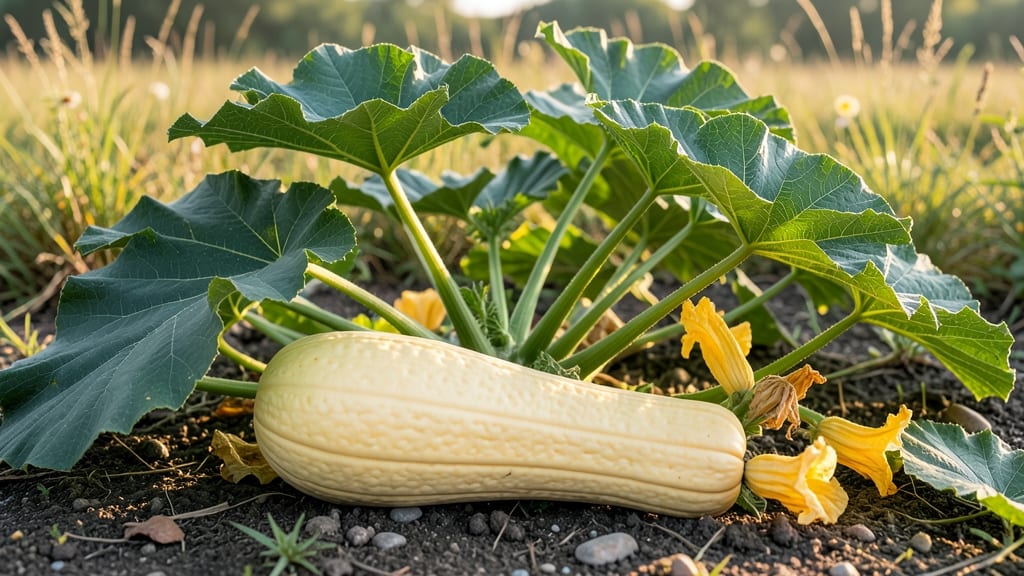
Growing the largest spaghetti squash 🎃 means choosing the right variety and giving it the perfect conditions to thrive.
Imagine harvesting a squash so massive it weighs over 100 pounds—this isn’t just a gardening myth, but a reality for dedicated growers using the right techniques and varieties. If you're chasing record-breaking yields, this guide reveals the secrets behind cultivating the largest spaghetti squash possible.
From selecting the best varieties like 'Bee Bee's Big' to mastering soil prep, spacing, and fertilization, every detail matters. Even the timing of your watering and when you harvest can make the difference between a decent harvest and a monster-sized squash.
Ready to turn your garden into a spaghetti squash powerhouse? Let’s dive into the proven methods that will help you grow the biggest, healthiest squash of your life.
Record-breaking spaghetti squash varieties for maximum size
If you're dreaming of growing a spaghetti squash that could rival the Guinness World Records, you're not alone. Some varieties are genetically predisposed to monstrous growth, reaching sizes that defy expectations.
The key lies in selecting the right heirloom varieties known for their exceptional yield potential and growth habits.
Growing a 100-pound spaghetti squash isn't just luck—it's science. These varieties thrive under ideal conditions with the right balance of nutrients, sunlight, and space. Let’s explore the top contenders that could turn your garden into a record-breaking powerhouse.
Bee Bee's Big is a fan favorite among serious growers. This variety is famous for its rapid vine growth and ability to produce squash weighing 50-100+ pounds. Its thick, yellow rind and high disease resistance make it a reliable choice for large-scale harvests.
Gold Rush is another heavyweight contender, known for its golden-yellow flesh and extra-large fruit. It consistently produces squash weighing 40-80 pounds, making it a top pick for gardeners aiming for maximum size without sacrificing flavor.
Uchiki Kabocha, while originally a Japanese variety, has gained popularity for its compact growth habit and high productivity. Its squash can reach 30-50 pounds, and it thrives in cooler climates, making it versatile for different growing zones.
| Variety | Avg. Weight | Max Recorded Weight | Key Traits | Growing Zone |
|---|---|---|---|---|
| Bee Bee's Big | 50-100 lbs | 102 lbs (2018) | Fast-growing, disease-resistant, thick rind | 4-10 |
| Gold Rush | 40-80 lbs | 85 lbs (2020) | Golden flesh, high yield, early maturing | 3-10 |
| Uchiki Kabocha | 30-50 lbs | 55 lbs (2019) | Compact, cold-hardy, sweet flavor | 3-9 |
| Delicata | 15-30 lbs | 32 lbs (2021) | Edible skin, fast-growing, early harvest | 4-10 |
| Butternut (Giant Varieties) | 25-60 lbs | 62 lbs (2017) | Long storage life, sweet taste, large fruit | 3-9 |
What makes these varieties stand out isn't just their size but their adaptability. For example, Bee Bee's Big thrives in hot climates, while Uchiki Kabocha handles cooler temperatures better. This flexibility allows growers in USDA zones 3-10 to achieve record-breaking results.
The 2018 Guinness World Record for the largest spaghetti squash was set by a 102-pound specimen grown by a California gardener using Bee Bee's Big. This record wasn’t just about the variety—it required meticulous care, including hand-pollination and daily watering to sustain the squash's growth.
For those chasing records, spacing is critical. These varieties need 10-12 feet between plants to allow vines to sprawl without competing for nutrients. A common mistake is overcrowding, which stunts growth and reduces fruit size. Give your squash the room to breathe—literally!
If you're new to growing giant squash, start with Gold Rush for its forgiving nature. It’s less prone to pests and diseases compared to other varieties, making it ideal for beginners aiming for big harvests. Pair it with compost-rich soil and
Proven growth techniques to grow giant spaghetti squash
To grow a giant spaghetti squash, you need more than just luck—it’s all about precision in care and understanding what these vines truly need. The difference between a 5-pound squash and a 100-pound monster often comes down to soil health, proper spacing, and consistent feeding.
I’ve grown spaghetti squash for years, and the biggest breakthroughs came when I focused on these five critical techniques. Let’s dive into the methods that’ll help you break records in your garden.
First, soil preparation is non-negotiable. Spaghetti squash vines demand rich, well-draining soil with a pH between 6.0 and 6.8. Amend your garden bed with compost and aged manure (chicken or cow) at least 4-6 weeks before planting.
I once skipped this step and ended up with stunted growth—don’t make that mistake! Test your soil first, and if it’s too heavy, mix in sand or perlite to improve drainage. The roots need room to spread, and compacted soil will strangle your squash’s potential.
Next, spacing is where most gardeners fail. You might think crowding plants saves space, but spaghetti squash vines need room to breathe. Space your plants 4-6 feet apart in all directions.
If your garden is small, consider trellising—this not only saves space but also improves air circulation, reducing the risk of powdery mildew, a common enemy of giant squash. I’ve seen vines sprawl 20 feet in ideal conditions, so don’t skimp on space if you’re aiming for records.
Pro tip: Use strong trellis supports (like T-posts with wire mesh) to keep vines off the ground and prevent rot.
Watering is another make-or-break factor. During the fruit-setting stage, your spaghetti squash needs 1-2 gallons of water per plant daily. Water deeply in the morning to avoid fungal issues from evening moisture. I learned this the hard way when my squash developed blossom-end rot from inconsistent watering.
Use a soaker hose or drip irrigation to deliver water directly to the roots, and mulch heavily (straw or shredded leaves) to retain moisture. Avoid wetting the leaves, as this invites disease. Consistency is key—never let the soil dry out completely, but don’t drown the roots either.
When it comes to fertilization, organic growers swear by compost tea and fish emulsion, while synthetic options like 5-10-10 can deliver fast results. I’ve had success with both, but organic methods build long-term soil health, which is crucial for giant squash.
Start with a light feed at planting, then apply every 4-6 weeks during the growing season. Stop fertilizing 4-6 weeks before harvest to avoid bitter flavors. A common mistake? Over-fertilizing with nitrogen—this promotes leafy growth at the expense of fruit size.
Balance is everything, so aim for a high-phosphorus fertilizer (like 10-20-10) during flowering to boost fruit development.
Finally, pruning might seem counterintuitive for a plant you want to grow massive, but it’s essential. Remove suckers (those small shoots that grow from the main stem) early in the season to direct energy into fewer, larger fruits.
Thin your vines to 2-3 main stems per plant—this ensures the plant isn’t spreading its energy too thin. I once let my vines grow wild, and while I got more squash, they were small and underdeveloped.
Pruning might reduce quantity, but it dramatically increases size. Use clean, sharp pruners to avoid damaging the plant, and always prune on a dry, sunny day to prevent disease.
Growing a giant spaghetti squash is a marathon, not a sprint. It requires patience, precision, and a willingness to experiment. Start with these techniques, keep detailed notes on what works (and what doesn’t), and don’t be afraid to push the limits.
With the right conditions, you could be holding a record-breaking squash in your hands before you know it! 🎃