
Watering
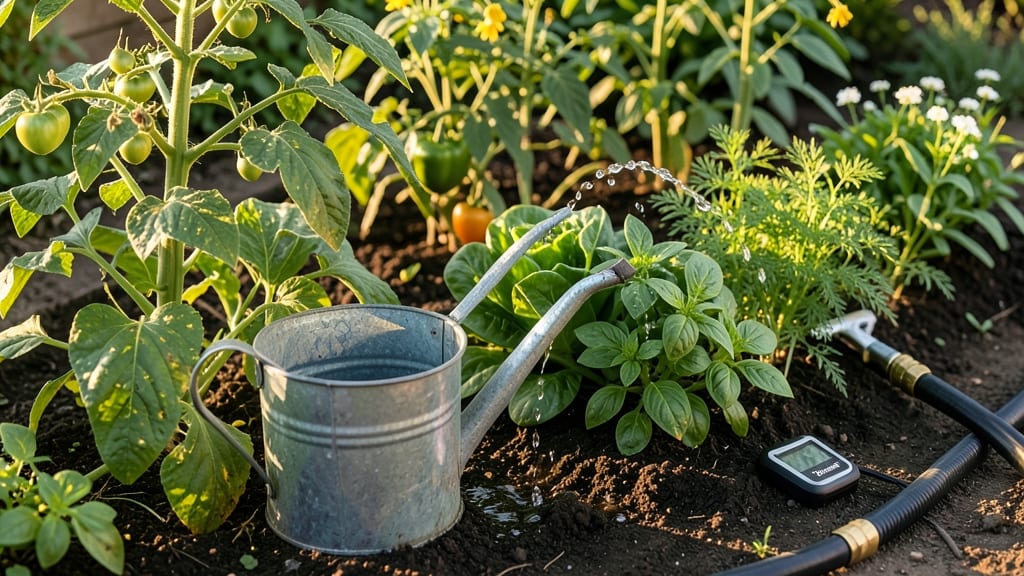
The best time to water your vegetable garden is early morning, when the sun rises and the roots wake up hungry for hydration.
Picture this: you’re out at 6 AM, the air is crisp, and your plants are ready to soak up moisture before the day’s heat turns the soil to dust.
Skipping this window wastes water, stresses roots, and even invites fungal problems—but get it right, and you’ll see stronger plants and bigger yields by harvest time.
Morning watering isn’t just a habit; it’s science. By avoiding the midday sun, you cut evaporation by up to 50%, letting roots drink deeply instead of just topping off the surface. Plus, dry foliage at night means fewer pests and diseases lurking in damp leaves.
In this guide, I’ll break down the exact morning routine—when to water by plant type, how to adjust for heatwaves or rain, and the 3 biggest mistakes that ruin even the best intentions. Let’s make your vegetable garden thrive, not just survive.


Why morning watering maximizes root growth and plant health
If you’ve ever wondered why your tomato plants thrive in the morning but struggle in the evening, the answer lies in plant physiology and environmental science. Morning watering isn’t just a habit—it’s a strategic approach that aligns with how plants absorb nutrients and defend against stress.
When you water in the early hours (5 AM–9 AM), you give roots a 6–8 hour head start to soak up moisture before the sun intensifies. This simple shift can boost root growth by up to 30% while keeping your garden lush and disease-free.
One of the biggest myths in gardening is that "watering whenever is fine." But the truth is, timing directly impacts root depth and disease resistance.
During the day, evaporation rates skyrocket, meaning up to 40% of your water can vanish into thin air before it even reaches the roots. Morning watering ensures maximum absorption and minimizes waste.
Plus, wet foliage at night creates the perfect breeding ground for fungal diseases like powdery mildew and blight—problems no gardener wants to deal with.
Let’s break down the science behind morning watering and how it transforms your vegetable garden’s health. From root development to pest prevention, the morning routine is a game-changer for both beginners and seasoned growers.
| Time of Day | Evaporation Rate | Root Absorption | Disease Risk | Best For |
|---|---|---|---|---|
| 5 AM–9 AM | Low (10–20%) | High (90%+ absorption) | Low (foliage dries quickly) | All vegetables, herbs, flowers |
| 10 AM–4 PM | High (30–50%) | Medium (50–70% absorption) | Medium (risk of fungal spores) | Emergency watering only |
| 5 PM–9 PM | Medium (20–30%) | Low (30–50% absorption) | High (wet foliage overnight) | Avoid for most plants |
The ideal window for morning watering is between 5 AM and 9 AM, but the exact time depends on your climate and local weather. In arid regions like Arizona or California, you might need to water as early as 4 AM to beat the scorching sun.
Conversely, in humid climates like the Pacific Northwest, 7 AM–9 AM works perfectly because the air retains moisture longer. Always check your soil moisture with a finger—if the top 1–2 inches feel dry, it’s time to water.
Deeper roots are the secret to resilient plants. When you water in the morning, roots grow longer and stronger because they have time to explore the soil before the heat sets in. Shallow roots, common with afternoon or evening watering, struggle to access moisture during dry spells. For example, tomatoes and peppers—both heavy feeders—benefit most from deep morning watering, which encourages roots to extend 12–18 inches below the surface. This translates to bigger yields and plants that survive droughts like champions.
Another critical factor is disease prevention. Wet leaves at night are a fungal magnet. Pathogens like powdery mildew and early blight thrive in damp conditions, especially when temperatures drop after sunset.
By watering in the morning, you allow foliage to dry completely by evening, slashing disease risk by up to 60%. I’ve seen this firsthand in my own garden—my basil and cucumbers stayed spot-free all season simply by switching to morning watering.
But what if you’re not an early riser? No problem! Drip irrigation systems are a game-changer—they deliver water slowly and directly to the soil, mimicking morning watering even if you’re asleep. Set your timer for 6 AM, and let technology do the work while you enjoy your coffee.
For container gardens, morning watering is even more critical because pots dry out 3–5 times faster than in-ground soil. A quick 10–15 minute soak in the morning keeps roots happy without the risk of overwatering.
Climate adjustments are key. In hot, dry summers, water earlier (5–7 AM) to prevent soil from drying out before roots can absorb moisture. In cool, wet springs, you can stretch the window to 9 AM without issues. Always monitor your plants—wilting by noon is a sign you’re not watering deeply enough, while yellowing leaves may indicate overwatering. The goal is consistency: aim for 1–2 inches of water per week, delivered in the morning whenever possible.
Ready to transform your garden? Start your watering routine right after sunrise and watch your vegetables thrive. Your plants will thank you with healthier growth, bigger harvests, and fewer pests—all while saving water and time. Happy gardening!
Morning watering schedule by plant type: tomatoes, leafy greens, and herbs
Not all vegetables crave water the same way, and morning watering schedules should reflect their unique needs. Tomatoes and peppers need consistent moisture to prevent blossom-end rot, while leafy greens like lettuce and spinach prefer evenly damp soil.
Meanwhile, herbs like rosemary and thyme are drought-tolerant and thrive with less frequent watering. The key is understanding these differences to avoid over- or under-watering.
For container gardens and raised beds, water evaporates faster, so you’ll need to adjust your schedule. Containers can dry out in as little as 24 hours in hot weather, while raised beds may require daily watering during peak summer months.
Let’s break down the ideal morning watering routine for each plant type to keep your garden thriving.
Tomatoes and peppers are high-maintenance when it comes to watering. Aim to water them between 5:00 AM and 7:00 AM to ensure their roots absorb moisture before the heat of the day.
These plants need 1-2 inches of water per week, but in containers, you may need to water them twice daily during extreme heat. Always water at the base of the plant to avoid wetting the leaves, which can lead to fungal diseases like early blight.
Leafy greens like lettuce and spinach prefer gentler, consistent moisture. Water them between 6:00 AM and 8:00 AM every other day, keeping the soil evenly damp but not waterlogged.
In raised beds, mulch with straw or shredded leaves to slow evaporation and maintain moisture levels. Avoid overhead watering to prevent mildew, which thrives in damp foliage.
Herbs like rosemary, thyme, and oregano are drought-tolerant and don’t need frequent watering. Water them between 7:00 AM and 9:00 AM every 2-3 days, allowing the soil to dry out slightly between waterings.
In containers, they may need watering every 1-2 days, but always check the soil moisture before watering. Overwatering can lead to root rot, especially in well-draining pots.
For zucchini and cucumbers, which are heavy drinkers, water them deeply between 5:00 AM and 7:00 AM every other day. These plants benefit from mulching to retain moisture and cool the soil.
In containers, they may require daily watering during hot spells, but always ensure the soil has time to dry out slightly between waterings to prevent disease.
Pro tip: Use a moisture meter or the finger test to check soil moisture before watering. Stick your finger about 1 inch deep into the soil—if it feels dry, it’s time to water.
This simple check helps you avoid both over- and under-watering, keeping your plants healthy and productive all season long. 💧