
Planting
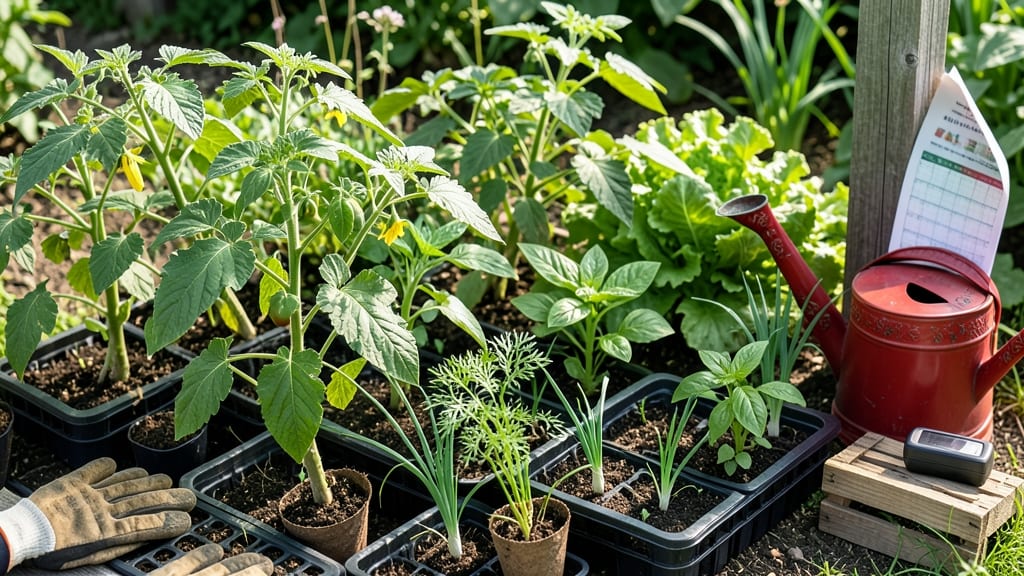
Your Zone 9b vegetable planting schedule in California isn’t just about timing—it’s about unlocking year-round harvests without wasted effort or bolted greens.
Picture this: you’re reaching for fresh tomatoes in January, or harvesting crisp carrots 🥕 in August—both possible in Zone 9b, but only if you plant at the exact right moment. Skip the window for heat-sensitive crops like basil, and you’ll end up with bitter leaves instead of lush growth.
Get it wrong with cool-season veggies like broccoli, and you’ll watch them bolt before you even taste them.
What sets California’s Zone 9b apart is its near-frost-free climate, but that doesn’t mean you can plant whenever you feel like it. Coastal areas like San Diego have cooler summers, while inland spots near Riverside hit 100°F+ by June—meaning your timing must shift based on microclimates.
The key? A schedule that accounts for heat tolerance, soil prep, and even water needs to keep your garden thriving all year.
Below, I’ll break down the month-by-month schedule for your favorite vegetables, including when to start seeds indoors, how to stagger plantings for continuous harvests, and the 3 biggest mistakes Zone 9b gardeners make (and how to avoid them).
No more guesswork—just a foolproof plan to turn your garden into a year-round produce machine.

Zone 9B planting calendar: month-by-month vegetable timing for California
Southern California’s Zone 9B climate is a gardener’s dream—no frost to worry about and growing seasons that stretch year-round. But even here, timing matters. Plant your tomatoes too early, and they’ll languish in cool soil.
Skip the succession planting of lettuce, and you’ll miss your harvest window. This calendar keeps you on track for continuous harvests, whether you’re in San Diego’s coastal breezes or Riverside’s inland heat.
Zone 9B’s 365 frost-free days let you grow almost anything, but heat and water needs shift dramatically between seasons. Cool-season crops like broccoli and spinach thrive in winter, while warm-season staples such as peppers and eggplant demand summer’s warmth.
Below, I’ve broken down the best planting times for your favorite veggies, plus succession planting tips to keep your kitchen stocked all year.
| Month | Plant | Succession Notes | Avoid Planting | ||||||||||||||||||||||||||||||
|---|---|---|---|---|---|---|---|---|---|---|---|---|---|---|---|---|---|---|---|---|---|---|---|---|---|---|---|---|---|---|---|---|---|
| January | Broccoli, Kale, Spinach, Carrots, Beets | Every 2-3 weeks for greens | Tomatoes, Peppers, Basil | ||||||||||||||||||||||||||||||
| February | Lettuce, Radishes, Peas, Onions, Cabbage | Sow radishes every 10 days | Cucumbers, Squash, Melons | ||||||||||||||||||||||||||||||
| March | Green Beans, Corn, Potatoes, Swiss Chard | Start tomatoes indoors | None (transition month) | ||||||||||||||||||||||||||||||
| April | Tomatoes, Peppers, Eggplant, Basil, Okra | Hardening off seedlings | Lettuce, Spinach (bolts quickly) | ||||||||||||||||||||||||||||||
| May | Cucumbers, Zucchini, Summer Squash, Melons | Use shade cloth for seedlings | Cool-season crops | ||||||||||||||||||||||||||||||
| June | Sweet Potatoes, Southern Peas, Black-Eyed Peas | Mulch heavily to retain moisture | Leafy greens (wilting risk) | ||||||||||||||||||||||||||||||
| July | Fall Broccoli, Cauliflower, Lettuce (shade-tolerant) | Plant in afternoon shade | Heat-sensitive crops | ||||||||||||||||||||||||||||||
| August | Carrots, Beets, Radishes, Turnips | Direct-sow for fall harvest | None (great transition month) | ||||||||||||||||||||||||||||||
| September | Tomatoes (late varieties), Peppers, Green Onions | Succession plant every 3 weeks | None (ideal planting month) | ||||||||||||||||||||||||||||||
| October | Kale, Collards, Brussels Sprouts, Spinach | Cold-hardy crops thrive | None (harvest warm crops first) | ||||||||||||||||||||||||||||||
| November | Garlic, Onions, Winter Lettuce, Radishes | Plant garlic for spring harvest |
Best vegetables for year-round harvests in Zone 9B (with planting windows)Zone 9B’s mild winters and long growing season mean you can harvest fresh vegetables year-round—but not all crops thrive at the same time. Heat-loving tomatoes and peppers need summer’s warmth, while cold-hardy kale and spinach prefer winter’s cooler temps. The key? Planting at the right time and pairing crops with companion plants to maximize space and yields. I’ve tested these top-performing varieties in Southern California’s microclimates, from coastal San Diego to inland Riverside. Whether you’re growing in containers, raised beds, or in-ground plots, these seasonal powerhouses will keep your kitchen stocked with homegrown goodness. Let’s dive into the best crops for each season and their ideal planting windows.
Vegetable |
Best Varieties for Zone 9B |
Planting Window |
Companion Plants |
Harvest Time |
Lettuce |
'Black Seeded Simpson' (winter), 'Buttercrunch' (spring/fall) |
Aug–Sept (winter), Feb–March (spring) |
Carrots, radishes, strawberries |
30–60 days |
Tomatoes |
'Arkansas Traveler' (heat-tolerant), 'Sungold' (cherry) |
March–April (spring), Aug–Sept (fall) |
Basil, marigolds, onions |
60–85 days |
Peppers |
'NuMex Heritage' (bell), 'Jalapeño M' (hot) |
March–May, Aug–Sept |
Basil, tomatoes, spinach |
70–90 days |
Kale |
'Winterbor' (cold-hardy), 'Lacinato' (dynamic) |
Sept–Oct (fall), Jan–Feb (winter) |
Onions, garlic, lettuce |
50–70 days |
Carrots |
'Danvers' (classic), 'Purple Haze' (colorful) |
Oct–Nov (winter), Feb–March (spring) |
Lettuce, radishes, rosemary |
60–80 days |
For winter harvests, focus on cool-season crops like lettuce, kale, and spinach. Plant them in late summer or early fall (August–September) to avoid bolting. I’ve had the most success with 'Black Seeded Simpson' lettuce, which stays crisp even in mild winter temps. Pair it with carrots to deter pests naturally. When summer arrives, shift to heat-tolerant varieties like 'Arkansas Traveler' tomatoes and 'NuMex Heritage' peppers. These thrive in Zone 9B’s 90°F+ temps and produce abundantly. Companion planting with basil or marigolds boosts flavor and deters pests like aphids. Always mulch heavily to retain moisture and prevent soil-borne diseases. Pro tip: Use succession planting for continuous harvests. For example, sow radishes every 2 weeks in fall and spring—they mature in just 25 days and mark perfect spots for taller crops like broccoli later. This keeps your garden productive and your table full! Remember, Zone 9B’s microclimates vary. Coastal areas like San Diego stay milder, while inland spots like Riverside can hit 100°F+. Adjust planting windows by 1–2 months based on your location’s heat intensity. With these seasonal powerhouses and smart pairings, you’ll enjoy homegrown veggies |