
Planting
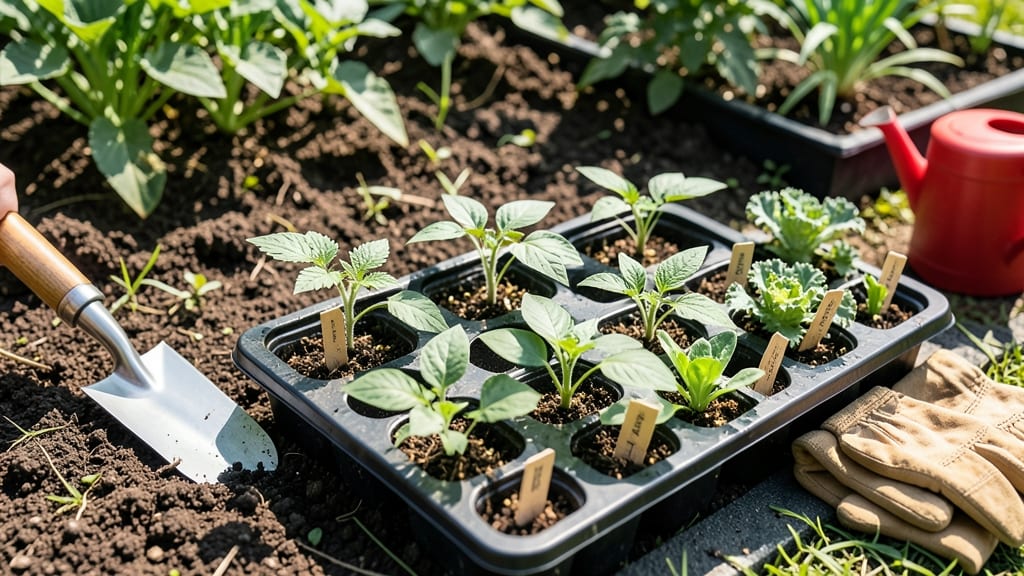
Zone 9’s vegetable planting schedule unlocks year-round harvests—no frost to hold you back, but heat and timing still matter.
Picture this: crisp lettuce in January and tomatoes by July, all without guessing when to plant. The key? Aligning your calendar with Zone 9’s micro-seasons—cool winters, scorching summers, and everything in between. Miss the window, and you’ll end up with bolting greens or sun-scorched peppers.
This schedule breaks down exactly when to sow seeds, transplant seedlings, and harvest 20+ vegetables, from heat-loving okra to frost-tender spinach. Whether you’re a beginner or a seasoned gardener, you’ll learn how to stretch your growing season with shade cloth, succession planting, and soil tricks.
Ready to grow more with less stress? Below, I’ll walk you through the month-by-month plan, plus how to tweak it for your microclimate—because even in Zone 9, not all summers (or winters) are created equal.

Zone 9 vegetable planting calendar: month-by-month timing for maximum yields
Zone 9 gardeners enjoy year-round growing potential with no frost to worry about—but that doesn’t mean you can plant anytime. The key lies in understanding heat tolerance and seasonal microclimates.
Cool-season crops like lettuce and broccoli thrive in mild winters, while tomatoes and peppers demand summer heat. Mastering this month-by-month schedule ensures continuous harvests without wasted effort or bolted greens.
Unlike northern zones, Zone 9’s warm winters allow planting leafy greens in December and warm-season crops in August. However, summer heat (often exceeding 90°F) can stress even heat-loving plants.
This calendar breaks down optimal planting windows, succession planting tips, and heat management strategies to keep your garden productive all year.
Pro Tip: Use shade cloth (30-50%) for summer plantings and row covers in winter to protect tender crops from cool snaps. Always check seed packets for days to maturity—Zone 9’s long growing season means some crops can stretch across multiple months.
| Month | Cool-Season Crops (Direct Sow/Transplant) | Warm-Season Crops (Direct Sow/Transplant) | Succession Planting Tip | Heat Management |
|---|---|---|---|---|
| January | Lettuce, Spinach, Kale, Carrots, Radishes | None (too cool) | Sow every 2 weeks for continuous harvests | Use shade cloth if temps exceed 75°F |
| February | Broccoli, Cauliflower, Peas, Onions, Potatoes | Start tomatoes/peppers indoors | Transplant peas in rows for easy picking | Mulch to retain moisture |
| March | Arugula, Swiss Chard, Beets, Turnips | Transplant tomatoes, peppers, eggplants | Sow cucumbers every 3 weeks | Water deeply at soil level |
| April | Last chance for spinach/lettuce | Direct sow beans, corn, squash | Interplant radishes with carrots | Use drip irrigation to avoid leaf burn |
| May | None (heat stress) | Sow okra, sweet potatoes, melons | Plant basil after last frost risk | Mulch heavily to cool soil |
| June | None | Succession plant beans, cucumbers | Harvest every 2 days to encourage production | Prune tomato suckers for airflow |
Top 10 Zone 9 vegetables ranked by planting difficulty and harvest potentialZone 9 gardeners enjoy year-round growing seasons, but not all vegetables thrive equally. I’ve ranked the top 10 vegetables by planting difficulty and harvest potential, so you can prioritize what grows best in your climate. Whether you’re a beginner or a seasoned grower, these picks deliver reliable yields with minimal fuss. From easy-care leafy greens to heat-loving staples, this list balances simplicity and productivity. I’ve included planting tips for each to avoid common mistakes—like overwatering heat-sensitive crops or underestimating pest pressure. Let’s dive into the best performers for Zone 9 gardens! Starting with the easiest vegetables for beginners, lettuce and green beans top the list. Both thrive in Zone 9’s mild winters and require minimal maintenance. Lettuce grows quickly—ready in 30-45 days—while green beans produce continuous harvests for weeks. My tip? Use shade cloth in summer to prevent bolting. For moderate difficulty, radishes and carrots are fantastic. Radishes mature in 25 days and tolerate heat better than many greens. Carrots, however, need loose soil to avoid forking. I’ve had success growing them in container gardens with well-composted soil to prevent issues. Advanced gardeners will love tomatoes and peppers, which deliver abundant harvests but demand more attention. Use cage supports for tomatoes and mulch heavily to retain moisture. My best-performing variety is ‘Solar Fire’ tomato—it handles heat like a champ and produces 10+ pounds per plant! Don’t overlook okra and sweet potatoes for heat-loving crops. Okra thrives in Zone 9’s summer heat and produces pods for months. Sweet potatoes, meanwhile, need warm soil and plenty of space. I plant mine in late spring after the last heatwave, ensuring consistent moisture for sweet, starchy tubers. Finally, eggplant and cucumbers** round out the list with high yields but require consistent watering. Eggplants love full sun and benefit from pruning side shoots to focus energy on fruit production. Cucumbers, on the other hand, need trellising to avoid disease and maximize space. Pro tip: Pair companion plants like basil with tomatoes to deter pests naturally. And always rotate crops yearly to prevent soil depletion. With these top 10 vegetables, your Zone 9 garden will be bursting with flavor—no matter the season! 🌿 |