
Vegetables
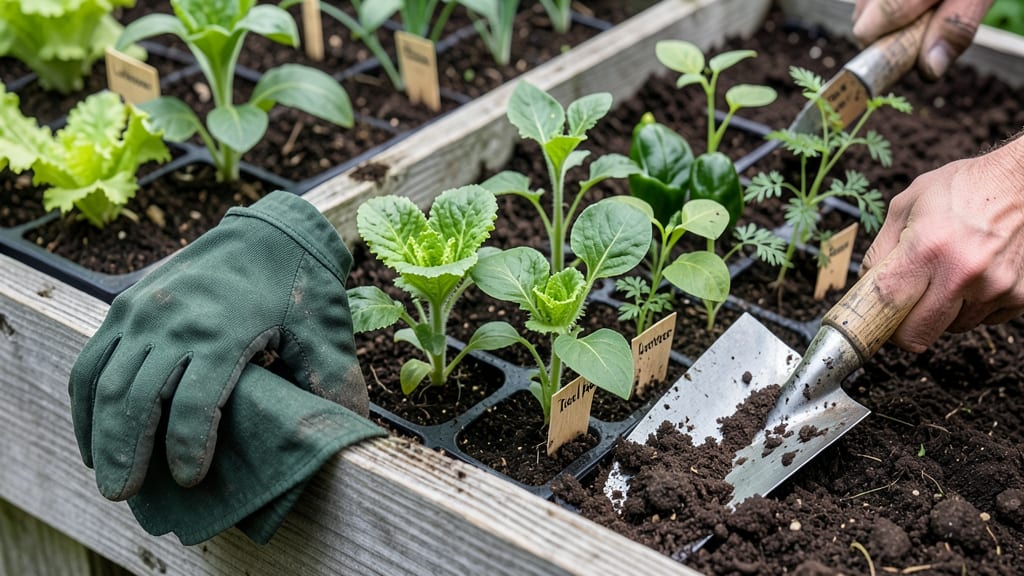
Planting your vegetable garden at the best time ensures strong starts and peak yields—but timing it wrong can mean wasted seeds and missed harvests.
If you’ve ever watched seedlings bolt in the heat or freeze under a late frost, you know how critical the calendar is. The right window isn’t just about the season; it’s about soil warmth, frost dates, and even your local microclimate.
In this guide, I’ll break down how to pinpoint your ideal planting window—whether you’re in a cool spring zone or a warm tropical region—plus the exact months for your favorite vegetables.
You’ll learn how to adjust for early frosts, extend your growing season, and avoid common mistakes that rob gardens of their potential.
How to determine your planting zone and frost dates for optimal vegetable growth
Timing your vegetable garden planting by frost dates can mean the difference between a bountiful harvest and wasted seeds. Understanding your USDA planting zone and last frost date helps you align your planting schedule with your region's natural rhythms.
This knowledge ensures your cool-season crops like lettuce and peas thrive in spring, while warm-season vegetables such as tomatoes and peppers get a proper head start after the frost has passed.
Your USDA zone is the first critical piece of information—it divides the U.S. into 13 zones based on average minimum winter temperatures. For example, Zone 5 has colder winters than Zone 9, which means your planting windows will shift significantly.
Pair this with your last frost date (the average date when frost no longer occurs in spring) and first frost date (when frost returns in fall), and you’ll have a precise roadmap for when to sow seeds or transplant seedlings.
Beyond the USDA zone, microclimates within your garden can create variations in temperature and frost timing. A south-facing slope, for instance, may warm up faster than the rest of your yard, allowing you to plant earlier.
Similarly, urban areas can experience heat islands, where temperatures are slightly higher than surrounding rural areas. These nuances mean you might adjust your planting schedule by a week or two based on your garden’s specific conditions.
To find your USDA zone, visit the USDA Plant Hardiness Zone Map. Simply enter your ZIP code, and you’ll see your exact zone. For frost dates, consult your local cooperative extension service or use online resources like the Old Farmer’s Almanac.
These dates are typically calculated based on historical data and can vary by a few days each year.
Once you’ve identified your USDA zone and frost dates, use them to calculate your planting windows. For cool-season crops, like broccoli or carrots, you can plant as soon as the soil is workable in early spring—often 4-6 weeks before your last frost date.
These plants thrive in cooler temperatures and can even tolerate light frosts. In contrast, warm-season crops such as cucumbers and beans need to wait until after your last frost date, when soil temperatures reach at least 60°F (15°C).
Pay attention to soil temperature as well—it’s a key indicator of when to plant. Use a soil thermometer to check if it’s warm enough for your crops.
For example, tomatoes and peppers prefer soil temperatures of 70°F (21°C) or higher, while lettuce and spinach can handle cooler soils as low as 40°F (4°C). If your soil is too cold, seeds may rot or fail to germinate, leading to wasted effort and resources.
Best planting schedule by vegetable type: cool-season vs. warm-season crops
Understanding the difference between cool-season and warm-season crops is key to maximizing your garden's productivity. Cool-season vegetables thrive in 50-75°F soil and can often tolerate light frosts, while warm-season crops need 60-90°F soil and won't survive frost. Let's break down the best planting windows for your favorite veggies.
For most regions, cool-season crops like lettuce, spinach, and peas should be planted 4-6 weeks before your last frost date. Meanwhile, warm-season favorites like tomatoes, peppers, and cucumbers should wait until 2-4 weeks after the last frost when soil temperatures consistently stay above 60°F.
This timing ensures strong starts and avoids transplant shock.
Succession planting is another game-changer for continuous harvests. By staggering plantings every 2-3 weeks, you can extend harvests for crops like beans, carrots, and radishes. For example, plant a new row of lettuce every 3 weeks to enjoy fresh greens all summer long without bolting.
| Vegetable Type | Planting Window | Frost Tolerance | Succession Tip |
|---|---|---|---|
| Lettuce (Cool) | 4-6 weeks before last frost | Light frost (28°F) | Plant every 2 weeks for continuous harvest |
| Tomatoes (Warm) | 2-4 weeks after last frost | None (killed by 32°F) | Use row covers for early starts in warm zones |
| Peppers (Warm) | After soil reaches 65°F | None (killed by 32°F) | Start indoors 8-10 weeks before last frost |
| Carrots (Cool) | 2-3 weeks before last frost | Moderate frost (25°F) | Sow every 3 weeks until 8 weeks before first frost |
| Cucumbers (Warm) | 1-2 weeks after last frost | None (killed by 32°F) | Use black plastic mulch to warm soil faster |
| Spinach (Cool) | 3-4 weeks before last frost | Light frost (20°F) | Plant again in late summer for fall harvest |
Don't forget about fall planting for cool-season crops! Many vegetables like kale, broccoli, and Brussels sprouts actually taste sweeter after a light frost. Plant these 60-90 days before your first expected frost for a winter harvest.
For warm-season crops, consider extending your season with row covers or cold frames to protect tender plants.
Pro tip: Use a soil thermometer to verify soil temperatures before planting warm-season crops. Soil that's too cold can stunt growth, while too hot soil may cause seedling stress. Aim for 65-75°F for most warm-season vegetables to ensure vigorous growth from the start.
By following these seasonal planting guidelines and using succession planting techniques, you'll enjoy fresh vegetables from spring through fall—no wasted seeds or missed harvests! 🌱