
Vegetables
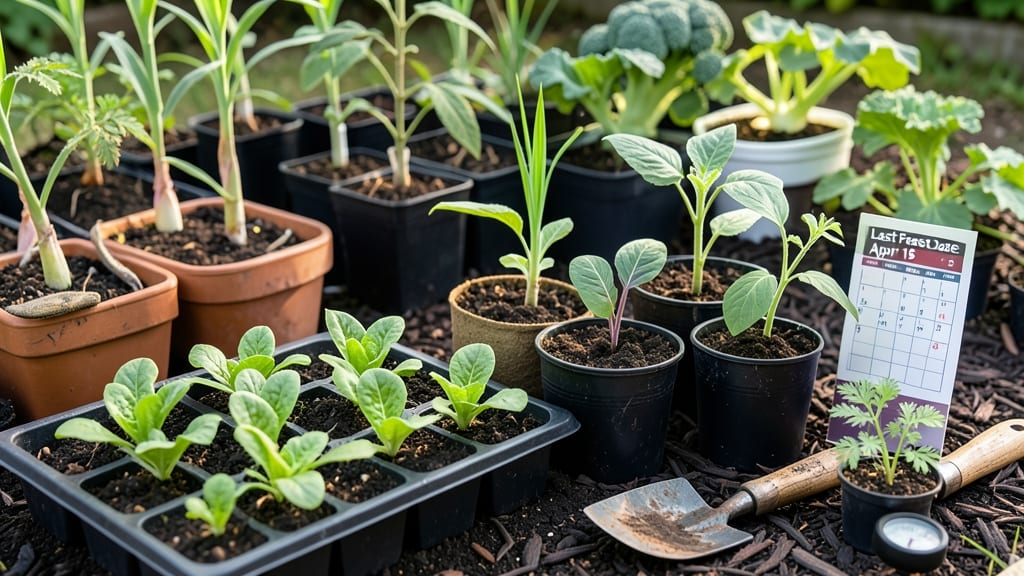
Planting vegetables in Iowa at the right time is the difference between a thriving garden and a sad, frost-nipped disappointment.
Iowa’s unpredictable frost dates can make or break your vegetable garden—plant too early, and a late freeze wipes out your hard work. But get the timing right, and you’ll enjoy a bountiful harvest from tomatoes to zucchini 🥕. Here’s your frost-date guide to planting vegetables in Iowa’s unique climate zones.
The key is knowing when to start seeds indoors, when to transplant tender seedlings, and which vegetables can handle Iowa’s chilly springs and early falls.
Cool-season crops like peas and lettuce can go in as early as March, while warm-season favorites like tomatoes and peppers need to wait until after the last frost—usually around mid-April in most of the state.
Below, I’ll break down the exact planting windows for every major vegetable, how to adjust for your specific USDA zone (5a-5b), and even a few tricks to extend your growing season. No more guessing—just a foolproof schedule for Iowa gardeners.
Iowa’s frost dates by planting Zone: critical timing for vegetable success
Understanding Iowa’s frost dates is the key to a thriving vegetable garden. The state spans USDA zones 4a to 5b, meaning frost timing varies dramatically from north to south.
In Zone 4a, the last spring frost typically hits around May 1, while Zone 5b gardeners can plant warm-season crops as early as April 15. These differences mean your planting schedule should shift based on your location.
Iowa State University’s climate data shows the first fall frost usually arrives between October 10 and October 20, depending on elevation and microclimates. For example, Des Moines (Zone 5b) sees its first frost around October 15, while Dubuque (Zone 4b) can expect frost by October 10.
These dates determine whether you can squeeze in a fall vegetable harvest or need to focus on cold-hardy crops.
Here’s a summary-table breaking down Iowa’s frost dates by zone, along with the ideal planting windows for cool-season and warm-season vegetables:
For cool-season vegetables like peas, lettuce, and spinach, I recommend planting 4-6 weeks before your last frost date. These hardy crops can often tolerate light frosts, especially if they’re well-established. In Zone 4a, that means starting seeds indoors by March 1 or sowing directly in late March.
Meanwhile, Zone 5b gardeners can plant directly in the garden as early as late February for a jumpstart.
Warm-season crops like tomatoes, peppers, and cucumbers are far more frost-sensitive and should only go into the ground after your last frost date has passed. In Zone 5b, that’s as early as April 15, while Zone 4a gardeners should wait until May 15.
To hedge your bets, I always use row covers or a cold frame for early plantings, especially in northern Iowa where late frosts are common.
Microclimates can shift your frost dates by 1-2 weeks. If your garden sits in a low-lying area or near a large body of water, expect cooler temperatures to linger longer. Conversely, south-facing slopes or urban areas with heat islands may warm up faster.
I’ve seen gardeners in Des Moines plant tomatoes 2 weeks earlier than the average date because their microclimate stays warmer.
Pro tip: Use frost-sensitive varieties with shorter maturity dates to maximize your harvest window. For example, bush beans mature in 50-60 days, so planting them in early June (after last frost) still gives you a harvest before the first fall frost.
Pair this with succession planting—sow a new batch every 2-3 weeks—to keep your kitchen stocked all season.
Don’t forget to monitor local forecasts and adjust your timeline accordingly. The National
Best vegetables to plant in Iowa by month: a month-by-month calendar
Timing is everything in Iowa’s garden—cool-season crops need to go in early, while warm-season varieties wait until after the last frost.
My month-by-month guide aligns planting with Iowa’s average last frost date (April 15) and first frost (October 15), but I’ll also share tricks for extending seasons with row covers or cold frames.
Whether you’re a beginner or a seasoned gardener, this schedule ensures you maximize harvests from spring to fall.
Iowa’s climate—with its humid summers and variable springs—demands flexibility. For example, peas and spinach thrive in March’s cooler temps, while tomatoes and peppers need to wait until late May. Succession planting is key: Sow lettuce every 2 weeks from April to July for continuous harvests.
Below, I’ve broken down the best vegetables to plant each month, including frost-tender crops that need protection and hardy greens that tolerate light frosts.
- 1 March: Plant hardy greens like peas, spinach, and kale 2-4 weeks before last frost. Use row covers if nights dip below 25°F. Avoid planting warm-season crops like tomatoes—they’ll bolt in the cold.
- 2 April: Start cool-season crops (lettuce, radishes) and transplant onions. After April 15, sow cold-hardy flowers (like calendula) to attract pollinators for your summer veggies. Direct-seed beans only after soil reaches 60°F.
- 3 May: The sweet spot for warm-season crops! Plant tomatoes, peppers, and cucumbers 2-3 weeks after last frost. Use black plastic mulch to warm soil faster. Succession plant bush beans every 2 weeks for a steady harvest.
- 4 June: Focus on heavy feeders like corn, squash, and eggplant. Thin seedlings to avoid competition. Start fall crops (like kale) indoors for transplanting in July. Watch for pests—June’s humidity fuels cucumber beetles and squash bugs.
- 5 July: Succession plant bush beans and carrots for late-summer harvests. Direct-seed cool-season crops (like spinach) under shade cloth to beat the heat. Harvest early from tomatoes and peppers—don’t let them overripe on the vine.
- 6 August: Plant fast-maturing crops like radishes, lettuce, and turnips for fall harvests. Use row covers to protect broccoli and cabbage from cabbage worms. Start harvesting zucchini and cucumbers before they become too seedy.
- 7 September-October: Extend the season with cold frames or row covers for kale, spinach, and carrots. Plant garlic in October for next year’s crop. Pull up annuals and amend soil with compost before winter.
Iowa’s fall frost can sneak up fast, so time your plantings to finish harvests before October 15. For example, bush beans planted in early July will mature by early September, leaving room for spinach to grow until frost. Succession planting is my