
Vegetables
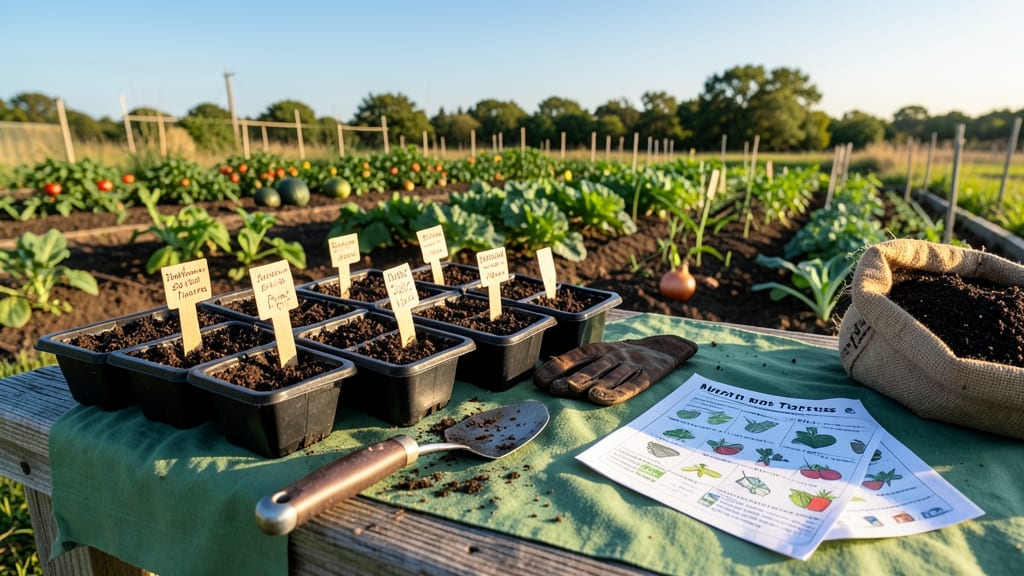
Planting vegetables in North Texas at the right time means the difference between a bountiful harvest and a sad, wilted disappointment.
North Texas gardeners face a tricky balance—plant too early and risk frost damage, too late and miss peak harvests. But timing isn’t just about dates—it’s about matching each vegetable’s needs to your local microclimate for maximum yield.
From the chilly mornings of Amarillo to the urban heat islands of Dallas, your location shifts the calendar by weeks.
This guide breaks down the exact frost dates, soil prep secrets, and month-by-month planting windows for 12 key crops—so you can start seeds, set transplants, and adjust for heat waves or late freezes.
You’ll also discover how to stretch seasons with row covers, when to fertilize for biggest yields, and why some gardeners in Waco plant tomatoes a full month earlier than their neighbors in Fort Worth.
North Texas frost dates & planting zones: the critical timeline for vegetable success
Understanding North Texas frost dates is the foundation of successful vegetable gardening. The region spans USDA Zones 7a-8a, where first frost can arrive as early as mid-October in Amarillo (Zone 7a) but often hits Dallas-Fort Worth (Zone 8a) by late November.
Meanwhile, Waco (Zone 8a) typically sees its last frost around mid-March, giving gardeners a 210-240 day growing season—if they time it right.
These frost dates aren't just numbers—they determine whether your tomatoes or peppers thrive or wither. Cool-season crops like kale and broccoli actually prefer cooler temps and can handle light frosts, while squash and beans need warm soil to germinate. Getting this balance wrong means wasted seeds or stunted plants.
Here’s how to use these dates: Warm-season crops (tomatoes, peppers, cucumbers) should only go in after your last frost date, while cool-season crops (spinach, lettuce, carrots) need to be planted 6-8 weeks before the first frost.
For North Texas, that means starting cool-season seeds indoors in February and transplanting outdoors by early March.
Let’s break down the frost dates by region and how they impact your planting schedule:
For example, in Dallas-Fort Worth (Zone 8a), you can plant cool-season crops like spinach or radishes as early as February, but warm-season crops like tomatoes shouldn’t hit the ground until after April 15.
In Amarillo (Zone 7a), the shorter growing season means you’ll need to start seeds indoors earlier or choose faster-maturing varieties.
One of my biggest mistakes was planting peppers too early in March in Dallas—even though the air felt warm, the soil temperature was still too cool (below 60°F), and germination stalled.
Since then, I’ve used a soil thermometer to confirm 55-60°F soil temps before planting warm-season crops. For cool-season crops, I wait until the soil is above 40°F to avoid rot.
Pro tip: Use row covers or cold frames to extend your cool-season growing window by 2-4 weeks. I’ve successfully grown lettuce and kale through December in Dallas by adding a simple floating row cover. This also helps harden off seedlings before transplanting in early spring.
If you’re unsure about your local microclimate, check with Texas A&M AgriLife Extension for hyper-local data. They provide frost alerts and planting calendars tailored to your specific county. For instance, urban areas like downtown Dallas can be 5-10°F warmer than rural zones, delaying frost by 1-2 weeks.
Remember, these frost dates are averages—actual dates can vary by 1-3 weeks depending on weather patterns. Always have a backup plan, like row covers or a greenhouse, to protect tender plants during unexpected
Best vegetables to plant by month in North Texas: a month-by-month planting guide
North Texas gardeners know timing is everything—plant tomatoes too early and a late frost will wipe them out, but wait too long and you’ll miss summer’s sweetest flavors. The key is matching each vegetable’s ideal temperature range with your local microclimate.
Whether you’re in Dallas-Fort Worth’s Zone 8a or Amarillo’s Zone 7b, this guide breaks down the perfect planting windows for 12 must-grow vegetables, plus succession planting tips to keep your harvests flowing all season.
For cool-season crops like lettuce and peas, start in early spring when soil temps hit 50°F, while warm-season powerhouses like okra and sweet potatoes need to wait until after the last frost (typically mid-March to early April in most of North Texas).
I’ve organized this by month, with color-coded indicators for quick reference—so you can grab your gloves and get planting with confidence.
📅 Month-by-Month Planting Schedule for North Texas
- 1 January-February: Cool-season starts! Plant onions, peas, and spinach. Avoid warm-season crops.
- 2 March: Last frost risk! Plant lettuce, carrots, and green beans. Start tomato seeds indoors.
- 3 April: Warm-season begins! Transplant tomatoes, peppers, and squash. Sow cucumbers and okra after soil warms to 65°F.
- 4 May-June: Peak planting! Add sweet potatoes, corn, and beans. Succession plant lettuce every 2 weeks for fall harvests.
- 5 July-August: Heat tolerance matters. Plant black-eyed peas, collard greens, and southern peas. Avoid tomatoes—they’ll bolt.
- 6 September: Fall planting begins! Sow broccoli, cauliflower, and kale. Transplant peppers for late harvests.
- 7 October-November: Cool-season finale. Plant garlic (for next year), radishes, and turnips. Cover with row fabric for frost protection.
💡 Pro Tip: Use succession planting for lettuce, beans, and radishes every 2-3 weeks to ensure continuous harvests. For tomatoes and peppers, stagger plantings by 2 weeks to extend your season!
Let’s dive deeper into succession planting, the secret weapon for non-stop harvests. For example, if you plant bush beans in early April, follow up with another round in mid-May and late June.
This way, you’ll have fresh beans from June through September without gaps. Leafy greens like lettuce and spinach are even more forgiving—sow seeds every 2 weeks from March through October, and you’ll always have something crisp and ready to pick.
Don’t overlook fall planting, either. Many gardeners in North Texas forget that cool-season crops thrive in autumn’s mild temperatures. Broccoli and cauliflower planted in September can yield just as well as spring plantings, and kale actually tastes sweeter after a light frost.
I’ve had my best harvests of garlic by planting cloves in October—just cover them with straw