
Vegetables
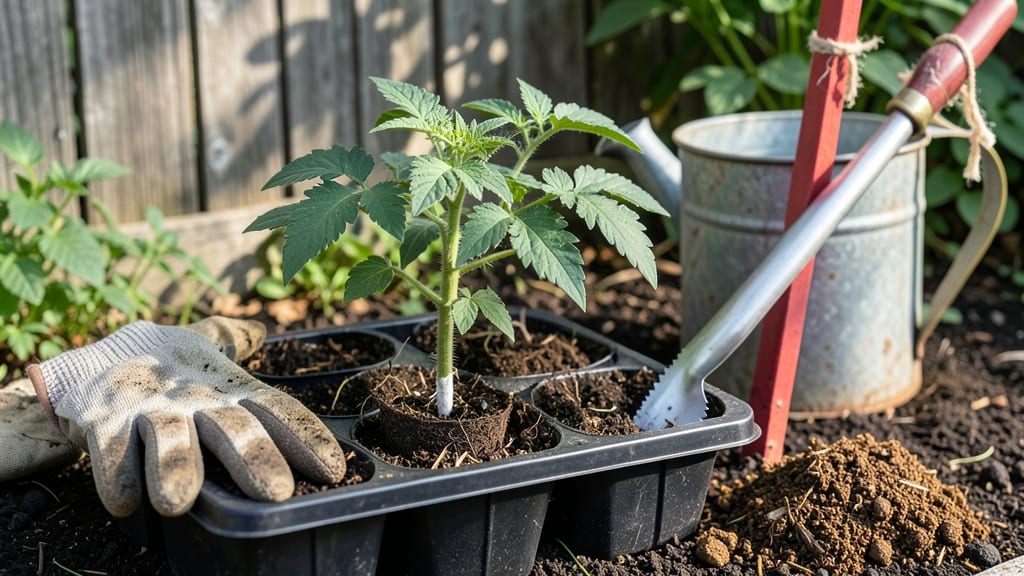
Starting tomato seeds outside is easier than you think—even in cooler climates where cold soil slows germination.
Cold soil doesn’t have to mean failed tomato dreams—with the right timing and techniques, you can successfully start tomato seeds outdoors even in Zone 6a or chillier areas. The key is knowing when to plant, how to prep the soil, and protecting those fragile seedlings from frost.
Many gardeners assume they must start indoors, but with the right varieties and a few simple steps, you can skip the transplant shock entirely. This method saves time, money, and keeps your tomatoes thriving from the very first sprout.
Below, I’ll walk you through the 4 essential steps to germinate tomato seeds outdoors—no greenhouse required. From soil temperature tricks to hardening-off secrets, you’ll have strong, healthy plants ready for the garden in no time.
When and how to plant tomato seeds in cold soil (timing secrets)
Cold soil can stall tomato seeds for weeks—or worse, kill them before they sprout. The key to success lies in understanding your USDA zone and soil temperature thresholds. Tomato seeds need soil that’s at least 45°F (7°C) to germinate, but ideal conditions start at 60°F (15°C) or warmer.
In cooler climates, this often means waiting until late spring or using protective methods to jumpstart growth.
Timing isn’t just about the calendar—it’s about soil warmth. A soil thermometer is your best friend here. Planting too early in cold soil leads to slow germination, weak seedlings, and higher susceptibility to disease.
But with the right techniques, you can extend your growing season and enjoy homegrown tomatoes even in short-season areas.
Here’s the secret: combine zone-specific planting windows with soil-warming tricks like black plastic mulch or row covers. These methods can raise soil temperatures by 5-10°F (3-6°C), creating a microclimate perfect for tomato seeds to thrive.
Let’s break down the best times to plant by zone and how to protect your seedlings from late frosts.
In USDA Zones 3-5, where frosts linger into May, planting tomato seeds outdoors before late May is risky. The soil simply won’t warm enough for consistent germination. Instead, use black plastic mulch laid 2-3 weeks before planting to raise soil temperatures.
This method can shave off 1-2 weeks from your planting timeline, giving seeds a head start.
For Zones 6-7, aim to plant after your last frost date but only when soil temps hit 55°F (13°C). A soil thermometer is worth its weight in gold here—don’t guess!
If temps dip below 50°F (10°C) at night, cover seedlings with floating row covers or lightweight fabric. These barriers trap heat during the day and shield plants from frost.
In warmer Zones 8-10, you can plant as early as March, but watch for sudden cold snaps. Even in mild climates, a frost blanket can save your seedlings if temperatures drop unexpectedly.
The goal is to balance early planting with protection—no need to rush if your soil is still cool.
One of my favorite tricks for extending the season is using hoop tunnels or cold frames. These structures create a greenhouse effect, allowing you to plant 4-6 weeks earlier than your zone’s typical window.
Just ensure good airflow to prevent humidity-related diseases like early blight. Ventilate during warm days to avoid overheating.
If you’re in a short-season area, choose fast-maturing varieties like 'Stupice' or 'Mountain Merit'—they can go from seed to harvest in as few as 50-60 days. Pair them with black plastic mulch and you’ll maximize your yield before fall frosts arrive.
Always test your soil’s pH (aim for 6.0-6.8) and amend with compost to ensure healthy growth.
Remember: patience is key. Germination can take 7-14 days in cool soil, but once those first green shoots appear, your tomatoes are on their way.
Thin seedlings to 12-18 inches apart to give them room to thrive, and keep an eye out for pests like cutworms, which love tender young plants.
With the right timing and a few protective layers, cold soil won’t stand in your way. Start small, monitor your soil temps, and soon you’ll be harvesting juicy tomatoes straight from your garden—no matter your zone! 🌱
4 Essential steps to germinate tomato seeds in unheated outdoor soil
Starting tomato seeds outdoors in unheated soil can feel risky, but with the right approach, you can skip the indoor hassle and grow strong seedlings right where they’ll thrive. The key is preparing the soil properly and protecting tender sprouts from temperature swings and frost.
I’ve learned that even in cooler climates, a well-prepared seedbed and consistent moisture control make all the difference.
Many gardeners make two critical mistakes: planting seeds too deep (which delays germination) or overwatering (which causes rot). Instead, focus on light coverage (like row covers) and warmth retention (using black plastic mulch). These steps will give your seeds the best possible start without needing a greenhouse.
Step-by-Step Guide to Outdoor Tomato Seed Germination
- 1 Prepare the Seedbed: Choose a sunny, sheltered spot with well-draining soil. Mix in compost (1 inch deep) and loosen the top 6 inches to improve aeration. Avoid compacted soil, which slows root growth.
- 2 Sow Seeds Shallowly: Plant seeds ¼ inch deep in rows spaced 18 inches apart. If your soil is below 60°F, cover the bed with black plastic mulch to warm it naturally. This speeds germination by 3–5 days.
- 3 Control Moisture Without Overwatering: Keep soil consistently moist (like a damp sponge) but avoid soggy conditions. Use a fine mist spray to water seeds daily until sprouts appear. After germination, water at the base to prevent fungal diseases.
- 4 Protect Seedlings from Frost: Use floating row covers or a cloche to shield seedlings from temperatures below 50°F. Remove covers during the day to allow sunlight. If frost is forecasted, cover seedlings with straw or old blankets for extra insulation.
Once your seedlings reach 2–3 inches tall, thin them to 12–18 inches apart to reduce competition. This spacing gives plants room to grow and improves air circulation, which cuts down on blight risk. I’ve found that thinning early saves time later and results in healthier, more productive plants.
Avoid the temptation to rush planting—wait until soil temperatures stabilize above 60°F for best results. In cooler zones, this might mean starting seeds 3–4 weeks later than recommended on seed packets. Patience here pays off with stronger, more resilient plants ready to handle outdoor conditions.
With these steps, you’ll bypass the need for indoor starts and enjoy faster-growing tomatoes that adapt naturally to your climate. The secret isn’t heat—it’s preparation, protection, and precision. Your garden will thank you with a bountiful harvest!