
Plants
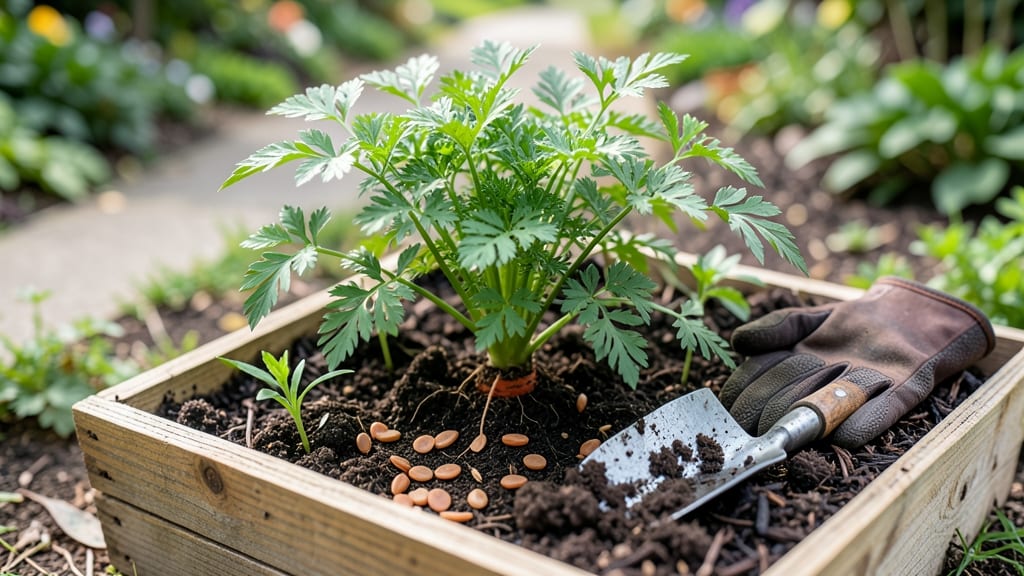
Plant carrots in Georgia between mid-February and early March for a spring harvest, or late August for a fall crop—timing that avoids frost and summer heat.
Georgia gardeners know timing is everything—especially when growing 🥕 that stay sweet and straight. Plant too early, and frost ruins your harvest; too late, and summer heat turns roots woody. Here’s your precise frost-date timeline to maximize carrot success in Georgia’s climate zones.
In USDA zones 7b-8b, the last spring frost typically hits around March 15, leaving just 4-6 weeks to grow baby carrots before summer arrives. For a fall harvest, aim for late August to ensure roots mature before the first frost in mid-November.
Below, I break down the exact soil temperatures, succession planting tips, and variety choices that work best in Georgia’s unpredictable weather—so you can enjoy homegrown carrots from spring through fall.
Georgia carrot planting dates by frost Zone: exact timelines for sweet harvests
Georgia’s 7b-8a climate zones create distinct planting windows for carrots, where soil temperature and frost dates determine success. North Georgia’s cooler mountain regions (Zone 7b) have earlier frost risks than South Georgia’s coastal areas (Zone 8a). Mastering these timelines ensures sweet, straight carrots without woody textures or frost damage.
Carrots thrive when soil reaches 50-60°F, but Georgia’s unpredictable weather demands flexibility. In Zone 7b (North Georgia), aim for mid-February to early March for spring plantings, while Zone 8a (South Georgia) can start as early as late January.
Fall crops should begin 8-10 weeks before first frost—typically late August to mid-September—to harvest before winter chill sets in.
Here’s your zone-specific planting timeline, including soil temperature thresholds and harvest windows to maximize yield:
North Georgia’s cooler microclimates (Zone 7b) require earlier starts to beat frost, while South Georgia’s warmer coastal soils allow extended fall harvests. For example, in Zone 7b, plant Danvers Half Long varieties by February 15 to ensure roots mature before May’s heat turns them woody.
In Zone 8a, Nantes carrots thrive when sown in late January for a spring harvest by April.
Soil temperature is critical—carrot seeds won’t germinate below 50°F. Use a soil thermometer to confirm readiness. In North Georgia, wait until mid-February when daytime temps consistently reach 60°F. In South Georgia, late January plantings often succeed because warmer coastal soils reach ideal temps faster.
Fall plantings demand precise timing to avoid early frosts. In Zone 7b, sow seeds by August 20 for a harvest before November 15. In Zone 8a, extend your window until September 15 to take advantage of longer frost-free periods.
For successive harvests, stagger plantings every 2-3 weeks from August through September.
Adjust for microclimates—even within zones. Mountain valleys in North Georgia may frost 2-3 weeks earlier than nearby ridges. Similarly, coastal Georgia’s humidity can delay germination by 3-5 days compared to inland areas. Monitor local frost alerts and use row covers to protect seedlings if unexpected cold snaps hit.
For transplanting, wait until seedlings have 2-3 true leaves (about 4-6 weeks after sowing). In Zone 7b, transplant by early April to avoid late spring frosts.
In Zone 8a, March plantings often succeed with minimal transplant shock due to warmer soils. Harden off seedlings for 5-7 days before moving them outdoors.
Pro tip: Succession planting every 2 weeks from February through April ensures a continuous harvest. In Zone 8a, you can even squeeze in a third crop by sowing late September for
How to adjust carrot planting for Georgia’s unpredictable weather patterns
Georgia’s weather can throw curveballs—late frosts in April, early heatwaves by May, and unpredictable rainfall that either drowns or dries out your soil. These conditions force carrots to either bolt prematurely or develop forked roots from stress.
The key? Flexible planting strategies that account for Georgia’s USDA zones 7b-8b and microclimates. I’ve grown carrots here for years, and these adjustments have saved my harvests time and again.
Start by planting succession crops every 2-3 weeks from February through April. This staggered approach ensures a steady supply while minimizing losses from sudden temperature swings. For example, if your North Georgia mountains experience frost until mid-April, delay your first planting until March 1.
Meanwhile, South Georgia coastal areas can start as early as late January.
⚠️ WARNING: Georgia’s Late Frost Risk Georgia’s average last frost date is March 15, but don’t let that fool you—late frosts can hit as late as April 15, especially in North Georgia’s higher elevations.
Planting too early risks frost damage to young seedlings, while waiting too long may lead to bolting (premature flowering) when days lengthen. Use row covers or cold frames to protect seedlings if you plant in late February or early March.
These tools raise soil temperatures by 5-10°F, giving carrots a head start without risking frost injury.
Another Georgia-specific challenge is soil moisture imbalance. Our clay-heavy soils retain water like a sponge, leading to waterlogged roots and rot. To prevent this, amend your soil with compost or sand before planting.
I mix in 1 part compost to 3 parts native soil to improve drainage while retaining moisture. For sandy soils common in South Georgia, add organic matter like peat moss to hold water better. Mulch with straw or shredded leaves to keep soil temperatures stable and reduce evaporation.
When summer heat arrives—often by late May—carrots struggle to mature properly. To beat the heat, choose short-season varieties like ‘Early Nantes’ (55 days) or ‘Paris Market’ (60 days). These varieties can handle 80°F+ temperatures better than standard types.
For a fall harvest, plant again in late August to avoid the September heatwave that can stress young plants. Use drip irrigation to deliver water directly to roots, keeping foliage dry and reducing leaf blight risk.
Finally, watch for spider mites and carrot rust fly, two pests that thrive in Georgia’s heat and humidity. Apply row covers early in the season to block flies, and spray plants with neem oil if you spot mites.
I’ve found that interplanting carrots with onions or leeks deters pests naturally. Rotate your planting locations yearly to break pest cycles, as these insects build up in the same soil over time.
With these adjustments, you’ll turn Georgia’s unpredictable weather into an advantage. The result? Straight, sweet carrots harvested from spring through fall—no matter what Mother Nature throws your way. 🥕