
Vegetables
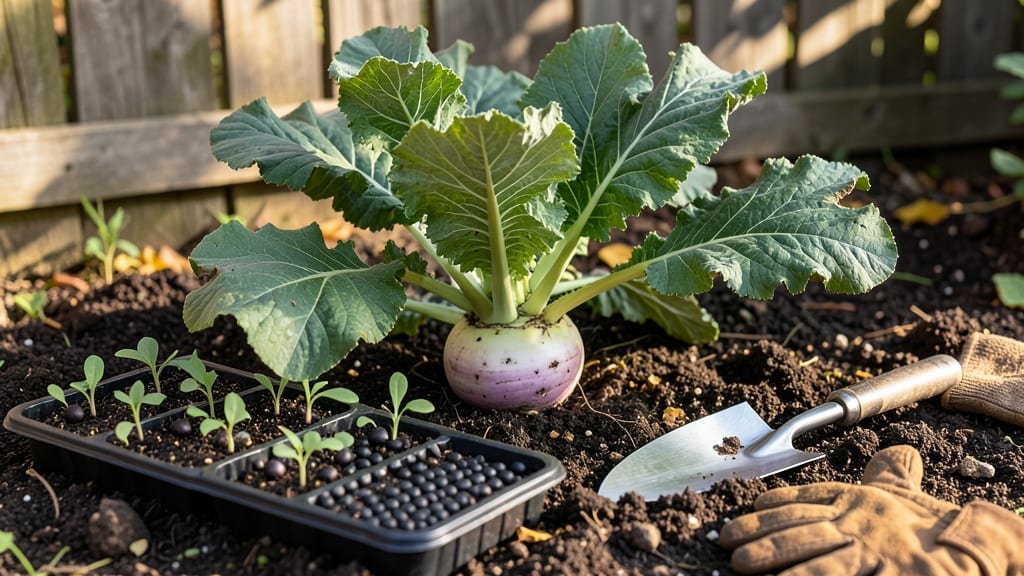
Plant turnips in the fall 4-6 weeks before your first frost to ensure a crisp harvest before winter sets in—this is the exact timing that separates a successful crop from a wasted effort.
Picture this: you’ve just pulled a bright orange 🥕 from your garden, its roots firm and sweet, while your neighbor’s turnips bolted into bitter flowers because they planted too late. That’s the difference between a rewarding harvest and a frustrating loss.
In Zone 6a (like much of the Midwest), that means seeding turnips by mid-September at the latest—early enough for roots to mature before ground freezes, but late enough to avoid the heat stress that triggers bolting.
Miss this window, and you’re left with either stunted greens or woody roots that taste like cardboard.
Below, I’ll break down the precise planting dates for your hardiness zone, soil prep secrets to prevent bolting, and the best turnip varieties for fall—so you can enjoy homegrown harvests from October through November without the guesswork.
Fall turnip planting calendar by USDA hardiness zones
Turnips love cool weather, making fall the perfect time to plant for a crisp harvest before winter sets in. The key is timing—plant too early, and your turnips may bolt; too late, and frost will ruin your crop.
I’ve broken down the ideal planting windows by USDA hardiness zones, including soil temperature thresholds and frost tolerance tips to help you succeed.
Most turnip varieties mature in 60-80 days, so aim to plant 4-6 weeks before your first frost date. This ensures roots and greens are ready to harvest before winter hard freezes.
For example, in Zone 5, where first frost hits around October 15, I plant turnips between September 1-15 for a late fall harvest.
Soil temperature plays a critical role—turnip seeds germinate best when soil is between 45°F and 85°F. In cooler zones (3-5), wait until soil warms to at least 50°F after summer heat subsides.
In warmer zones (8-10), plant earlier to avoid heat stress, but ensure nights stay cool enough to prevent bolting.
Here’s a quick reference for your zone, including ideal planting dates, soil prep tips, and frost tolerance thresholds:
In Zones 3-4, where winters are harsh, focus on harvesting greens first—they tolerate light frost better than roots. Use cold-hardy varieties like 'Tokyo Cross' or 'Purple Top White Globe', which handle cooler temps well.
For Zones 5-6, both roots and greens thrive, but mulch heavily to protect roots from early freezes.
For Zones 7-10, where frost arrives later, you can extend the season further. Plant a second batch in late September for a winter harvest, but avoid planting after October 15—turnips may bolt or develop bitter flavors.
In my Zone 6a garden, I’ve had success with 'Hollow Crown' turnips, which store well in cool cellars for winter meals.
Pro tip: Use a row cover in cooler zones to delay frost and protect young plants. In warmer zones, shade cloth can prevent bolting if daytime temps rise above 80°F. Always test soil pH (aim for 6.0-7.0
Remember, turnip greens are more frost-tolerant than roots. If a hard freeze is forecast, harvest the greens first and leave roots in the ground until soil thaws. With the right timing, you’ll enjoy fresh turnips straight from your garden well into winter!
How to adjust planting time for early vs. late fall harvests
Fall turnips offer a delicious, cold-weather harvest that many gardeners overlook. The key to success lies in adjusting planting times for your climate and desired harvest window. Whether you want tender greens in early fall or sweet, crisp roots before winter, timing is everything.
I’ve learned that succession planting and cold-hardy varieties can extend your turnip season by weeks.
For early fall harvests, plant turnips 6-8 weeks before your first expected frost date. This gives them time to mature before cooler temperatures slow growth. In Zone 5, for example, that means sowing seeds around mid-to-late August.
If you’re aiming for late fall harvests, shift planting to 4-6 weeks before frost, ensuring roots develop before ground freezes.
-
1. Early Fall Harvest (Greens Focus)
Plant 6-8 weeks before frost (e.g., late August in Zone 5) for tender leaves. Use varieties like 'Tokyo Cross' or 'Hakurei', which mature faster. -
2. Late Fall Harvest (Root Focus)
Plant 4-6 weeks before frost (e.g., early September in Zone 6) for sweet, crisp roots. Choose 'Purple Top White Globe' or 'Golden Globe' for cold tolerance. -
3. Succession Planting
Sow seeds every 2 weeks in late summer for staggered harvests. This prevents bolting and ensures a steady supply of greens and roots. -
4. Soil Warming Trick
Use black plastic mulch or row covers to warm soil in early fall, extending the growing season by 1-2 weeks. -
5. Mulching for Cold Protection
Apply straw or leaves after planting to insulate roots from early frosts and retain moisture.
Cold-hardy varieties like 'Purple Top White Globe' are my go-to for late fall harvests. These turnips can tolerate light frosts, making them ideal for Zone 4-8 gardens. To prevent bolting—when turnips flower prematurely—I always avoid planting too early in warm climates.
In Zone 9, for example, I wait until early October to ensure cool nights trigger root development instead of flowering.
Soil preparation is just as critical as timing. Before planting, amend your soil with compost or aged manure to improve drainage and fertility. Turnips thrive in loamy, well-draining soil with a pH of 6.0-7.0.
If your soil is heavy clay, mix in sand or perlite to prevent waterlogging, which can cause roots to rot. A simple soil test before planting saves headaches later.
For a foolproof fall turnip harvest, follow this quick checklist:
- Test soil pH and amend if needed.
- Choose cold-hardy varieties like 'Purple Top' or 'Golden Globe'.
- Plant in full sun (6+ hours daily).
- Water consistently (1 inch per week).
- Mulch after planting to retain moisture and warmth.
With the right timing and care, you’ll enjoy crisp, homegrown turnips well into winter—proof that fall gardening can be just as rewarding as spring. Happy planting! 🥕