
Plants
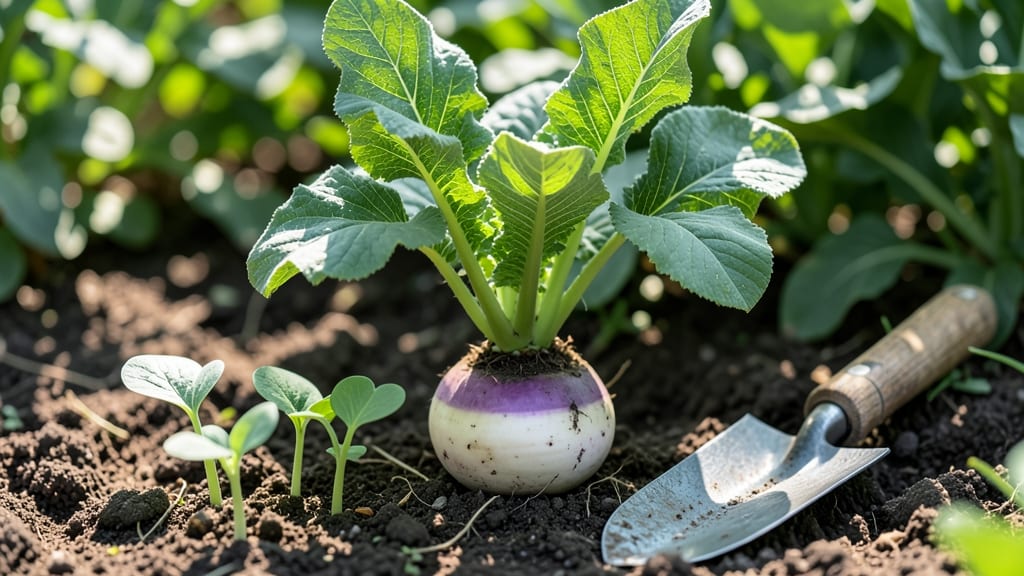
Planting turnips in NC at the right time means the difference between tender roots and tough greens—aim for early spring or late summer for the fastest harvests.
Turnips thrive in North Carolina’s mild winters, but planting them at the wrong time can mean bitter greens instead of sweet roots. Timing is everything—get it right, and you’ll enjoy fresh, crisp 🥕 in just 40 days.
North Carolina’s USDA zones 6b–8a give you two clear windows: early spring (March–April) or late summer/fall (August–September). Miss these, and you risk bolting greens or stunted roots, especially in the heat of summer or the cold snaps of late fall.
Below, I break down the exact frost-free timeline by region, the best varieties for NC’s climate, and how to avoid the three biggest mistakes that waste your harvest. Let’s get those turnips in the ground at the perfect moment.
North Carolina turnip planting zones: frost-free timeline by region
North Carolina’s diverse climate—from the mountainous west to the coastal plains—means turnip planting times vary dramatically. The state spans USDA zones 5b to 8a, with frost dates shifting by 4–6 weeks between regions.
For example, Asheville (Zone 7a) has a longer growing season than Wilmington (Zone 8a), where fall turnips can be planted until October 1st without frost risk.
Turnips are cool-season crops that tolerate light frosts but struggle in extreme heat (above 85°F). In NC, this means two ideal planting windows: early spring (after last frost) and late summer/fall (before first frost).
Soil temperatures should be 45–85°F for germination, but roots develop best when daytime temps stay below 75°F.
Here’s how to align your planting with NC’s 7 USDA zones, including frost-free timelines and soil temperature cues for germination:
| Zone | Spring Planting Window | Fall Planting Window | Last Frost Date | First Frost Date | Soil Temp for Germination | |||||||||||||||||
|---|---|---|---|---|---|---|---|---|---|---|---|---|---|---|---|---|---|---|---|---|---|---|
| 5b (Mountains: Boone, Banner Elk) | March 20 – April 15 | August 1 – September 5 | April 1 | November 1 | 45–75°F | |||||||||||||||||
| 6a (Piedmont: Greensboro, Winston-Salem) | March 15 – April 10 | August 15 – September 10 | March 15 | October 31 | 45–80°F | |||||||||||||||||
| 6b (Central: Raleigh, Durham) | March 1 – April 5 | August 20 – September 15 | March 10 | November 5 | 45–82°F | |||||||||||||||||
| 7a (Coastal Plains: Fayetteville, Goldsboro) | February 20 – March 20 | August 25 – October 1 | February 28 | November 15 | 50–85°F | |||||||||||||||||
| 7b (Eastern NC: Wilmington, Jacksonville) | February 15 – March 15 | September 1 – October 10 | February 15 | November 20 | 50–85°F | |||||||||||||||||
| 8a (Outer Banks, Coastal Islands) | January 20 – February 28 | September 15 – October 31 | January 31 | December 1 | 55–85°F | |||||||||||||||||
| Key Notes | Plant 4–6 weeks before last frost | Plant 8–10 weeks before first frost |
| Variety | Days to Maturity | Cold Tolerance | Spring Planting | Fall Planting |
|---|---|---|---|---|
| Purple Top White Globe | 60 days | Moderate (25°F) | March 1–April 15 | August 1–September 15 |
| Tokyo Cross | 45 days | High (20°F) | March 15–April 30 | July 15–September 1 |
| Hollow Crown | 55 days | Moderate (22°F) | March 10–April 10 | August 10–September 10 |
Tokyo Cross is my go-to for fast harvests in NC’s short growing seasons. Its 45-day maturity lets me squeeze in two plantings—one in early spring and another in late summer. The purple tops also add visual appeal to salads, while the roots stay crisp even in mild fall frosts.
If you prefer larger roots, Purple Top White Globe delivers 2–3 inch diameters when planted in early March. However, I’ve noticed it bolts faster in hot NC summers, so I avoid planting it after June 1.
For extended harvests, succession plant every 2 weeks until July 15.
Hollow Crown stands out for its cavity-free roots, making it ideal for cooking or pickling. Plant it 2 weeks earlier than other varieties to account for its 55-day cycle. In Coastal NC, I’ve successfully grown it into early November with row covers during cold snaps.
For greens-only harvests, all varieties work, but Tokyo Cross and Purple Top White Globe produce the most tender leaves. Thin seedlings to 3–4 inches apart to prevent bitterness from overcrowding. In Mountain NC, where frosts hit earlier, I recommend fall plantings no later than August 1.