
Vegetables
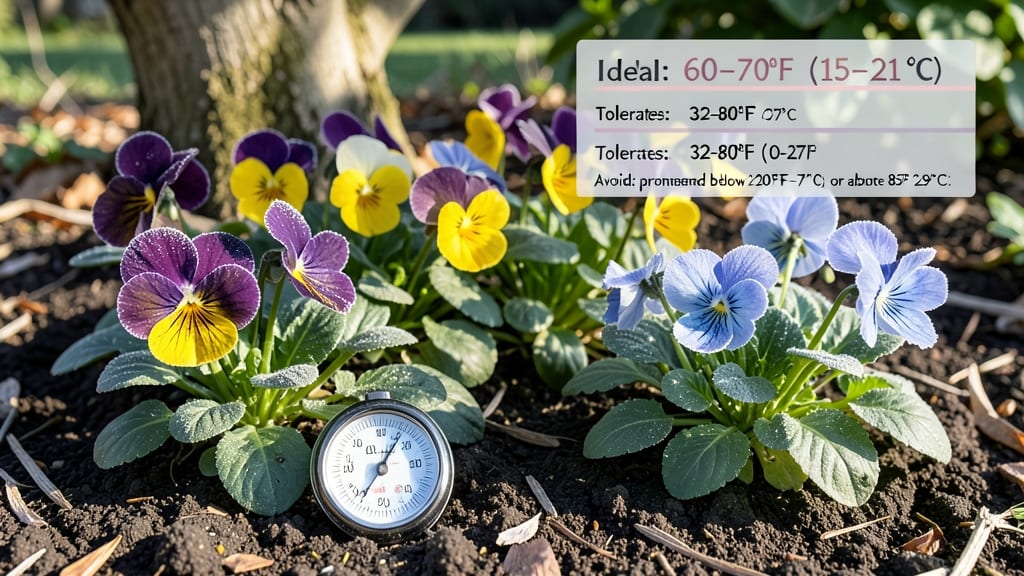
Growing pansies in the right temperature range means the difference between a vibrant spring garden and sad, drooping blooms 🌸.
Pansies aren’t just pretty—they’re tough little survivors that thrive in cooler climates, making them perfect for early spring or fall gardens. But get their temperature range wrong, and you’ll watch them wilt faster than a summer marigold in a heatwave.
Ideal pansy temperatures hover between 45°F and 75°F, but they can handle brief dips below freezing—down to 20°F—if they’re hardened off properly. The key is avoiding prolonged heat over 80°F, which sends them into a sulky decline.
Below, I’ll break down how to keep your pansies blooming through spring’s chill and fall’s crisp air, plus how to shield them from summer’s worst without sacrificing their charm.
Pansy temperature range: ideal growing conditions & hardiness zones
Pansies are the unsung heroes of cool-season gardens, blooming beautifully when many other flowers are taking a break. Their ideal temperature range makes them perfect for early spring or fall planting, but understanding their limits ensures your plants stay healthy and vibrant.
Unlike heat-loving annuals, pansies actually thrive in cooler weather, with optimal growth between 50°F and 75°F—though they can handle even chillier conditions with the right care.
What sets pansies apart is their cold hardiness, allowing them to survive light frosts and even brief dips into the 20s°F. However, extreme heat or prolonged cold can stress them out, leading to fewer blooms or leggy growth.
Knowing your USDA hardiness zone helps tailor your planting schedule and care routine, ensuring your pansies perform their best from spring through fall.
For spring planting, aim to sow seeds or transplant seedlings 4-6 weeks before your last frost date. In USDA zones 3-7, this typically means planting in early March or late September for fall color.
The key is to give pansies time to establish roots before summer heat arrives, as their growth slows dramatically when temperatures exceed 80°F. In hotter zones (8-10), opt for shade-loving varieties like 'Cool Wave' to prevent bolting.
Pansies in cooler climates (zones 3-5) can often overwinter with minimal protection, especially if you choose cold-hardy varieties like 'Matrix' or 'Sorbet'. These types can handle temperatures down to 15°F when mulched properly.
However, in zone 2 or colder, treat pansies as annuals and plant them in late spring after the soil warms to at least 50°F.
One common mistake is assuming pansies can handle any cold weather. While they’re frost-tolerant, a hard freeze below 20°F will damage even the hardiest varieties. To extend their season, use row covers or cloches in early fall or late spring.
These simple tools can push your pansies into flowering 2-3 weeks earlier or later than usual, giving you a longer display of color.
Adjust your watering schedule based on temperature shifts. During cool spring mornings, water in the evening to prevent fungal issues, but switch to morning watering in summer to reduce evaporation.
Overwatering in heat can lead to root rot, while underwatering in cold snaps causes wilting. Aim for 1 inch of water per week, adjusting for rainfall and soil drainage.
If you're in a transition zone (6-8), where summers are warm but winters are mild, focus on heat management. Provide afternoon shade with a lightweight shade cloth (30-50%) during peak heat (12 PM - 4 PM).
This small adjustment can double your pansy's bloom time by preventing stress. In containers, choose larger pots (10+ inches) to help roots stay cooler.
For gardeners in warmer climates (zones 9-11), treat pansies as winter annuals. Plant them in late summer or early fall to take advantage of cool fall temperatures, then enjoy blooms until spring warmth arrives.
In these areas, succession planting every 4-6 weeks ensures continuous color without heat stress.
Remember, pansies communicate their temperature preferences through their growth habits. Leggy stems with sparse flowers signal
How to protect pansies from heat stress & frost damage
Pansies are cool-weather champions, but even they can struggle when temperatures swing too far from their comfort zone. Heat stress causes them to bolt or fade, while frost damage can turn vibrant blooms into mushy messes overnight.
The key? Understanding their temperature range and acting fast when conditions turn extreme.
Most pansies thrive in 50°F to 75°F during the day, with nighttime temps above 40°F. Push temperatures beyond 80°F, and you’ll see wilting, yellowing leaves, and flowers that refuse to open.
On the other hand, hard freezes below 20°F can kill plants outright, though some varieties handle light frost surprisingly well.
⚠️ Pansy Temperature Range Alert!
Ideal Daytime: 50°F–75°F | Nighttime: 40°F–60°F
Heat Stress Threshold: Above 80°F | Frost Risk: Below 20°F
Action: Monitor forecasts! Use shade cloth for heatwaves, row covers for frost.
For heat stress, start by providing afternoon shade with shade cloth (30-50%). Increase watering frequency to every 2-3 days and water at the soil level to keep roots cool. Mulch with 2-3 inches of straw to insulate roots and retain moisture.
When frost looms, protect pansies with frost blankets or row covers at night. Remove them during the day to prevent overheating. For extreme cold snaps, consider container growing and move pots to a sheltered spot like a garage or under an eave.
Watch for warning signs like drooping leaves, yellowing foliage, or flowers that close prematurely. These signal your pansies are struggling with heat. Conversely, blackened leaves or mushy stems mean frost damage has set in—prune affected areas immediately to encourage new growth.
With these strategies, you can extend pansy blooms well beyond their typical season. My fall-planted pansies still flourish in late October thanks to a simple row cover, while my spring varieties bounce back from early frost with minimal damage. A little preparation goes a long way!