
Vegetables
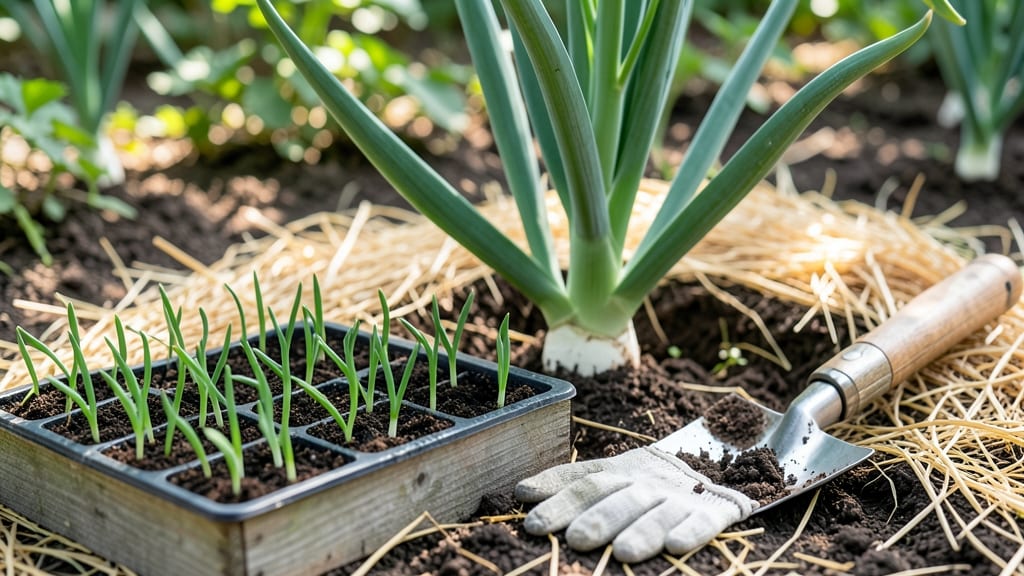
Planting onions in Texas at the right time means the difference between sweet, plump bulbs and bitter, stunted failures — and the window is narrower than you might think.
Timing is everything when growing onions in Texas—plant too early, and you risk frost damage; too late, and your harvest suffers. Mastering the right window for your Texas zone ensures sweet, plump bulbs instead of bitter disappointment.
Texas gardeners know the stakes: a late spring frost can wipe out seedlings, while summer heat forces onions to bolt before they mature. The solution? Fall plantings for cool-season varieties and precise early spring timing for warm-season types.
In this guide, I’ll break down the exact months to plant in your Texas zone, from North Texas’s 8a to South Texas’s 10b, plus soil prep and care tips to maximize your 🧅 harvest.
Texas planting zones and best onion varieties for each
Texas gardeners know the Lone Star State offers diverse climates—from cool North Texas to hot South Texas. These differences mean onion planting windows vary dramatically. Understanding your USDA zone (6-10) and whether you need short-day or long-day varieties is key to avoiding bitter bulbs or failed harvests.
Onions thrive in cool seasons but bolt (flower prematurely) in Texas heat. The solution? Plant short-day varieties in fall for winter harvests or long-day types in early spring. Let’s break down the best planting months, frost-free dates, and top varieties for each Texas zone to maximize your yield.
🌱 Key Takeaway: Texas zones 6-8 (North/Central) have cooler winters and longer growing seasons, while zones 9-10 (South/East) face milder winters and earlier springs. Adjust your planting schedule accordingly to avoid heat stress.
| Zone | Best Planting Window | Last Frost Date | First Frost Date | Recommended Varieties | Notes |
|---|---|---|---|---|---|
| 6 (North Texas) | September–October (fall) or February (spring) | February 15 | December 1 | Texas Early White, Yellow Granex | Longer growing season; plant short-day sets in fall. |
| 7 (North/Central) | October–November (fall) or February–March (spring) | February 1 | November 15 | Red Creole, Texas Grano | Balanced climate; spring planting yields best bulbs. |
| 8 (Central) | October–November (fall) or February–March (spring) | January 31 | November 1 | 1015Y Yellow, Texas Early White | Heat-sensitive; avoid summer planting. |
| 9 (South/Central) | September–October (fall) or February (spring) | January 15 | October 31 | Texas Early Grano, Red Creole | Fall planting preferred; spring heat risks bolting. |
| 10 (South/East) | September–October (fall only) | January 1 | October 15 | Yellow Granex, Texas Early White | Mild winters; spring planting often fails due to heat. |
In North Texas (zones 6-7), gardeners can plant onion sets as early as September for a winter harvest. The last frost date around February 15 signals it’s safe to plant spring varieties. Varieties like Texas Early White thrive here, producing sweet, medium-sized bulbs perfect for storage.
Moving to Central Texas (zone 8), the climate becomes warmer. Plant short-day onions like 1015Y Yellow in October to avoid early spring heat. These onions mature quickly, often ready by April. If you miss the fall window, spring planting is risky—bolting becomes a major issue.
South Texas gardeners in zones 9-10 have the shortest cool season. Focus on fall planting (September–October) only. Varieties like Yellow Granex are heat-tolerant and ideal for Texas’ long, hot summers. Avoid spring planting entirely—temperatures above 85°F will send onions bolting before bulb formation.
For container gardening in urban areas (common in zones 9-10), use shallow-rooted varieties like Red Creole. These grow well in 5-gallon pots with well-draining soil. Place containers in full sun and water consistently to prevent bolting.
Pro tip: Test your soil pH before planting—onions prefer 6.0–7.0. In alkaline Texas soils, add sulfur or peat moss to lower pH. This simple step prevents bitter flavors and stunted growth.
Remember, Texas onions are sweeter when grown in cooler months. Plan ahead: fall-planted onions yield the largest bulbs, while spring plantings often produce smaller, pungent varieties. Adjust your harvest timing based on your zone—North Texas harvests in April–May, while South Texas harvests as early as March.
Step-by-step onion planting schedule for Texas gardeners
Texas gardeners know timing is critical for growing onions—fall and early spring are your best windows. Onion sets (small bulbs) thrive when planted 6–8 weeks before the first frost, while seeds need 120–150 days to mature.
South Texas can push planting later, but North Texas must act earlier to avoid winter chills.
Start by testing your soil—onions prefer pH 6.0–7.0 and well-draining soil. Amend clay-heavy Texas soil with compost to prevent rot. Choose varieties like 'Texas Early White' for short days or 'Yellow Granex' for sweet onions that handle heat better.
- September (North Texas) / October (South Texas): Plant onion sets 1 inch deep, 4–6 inches apart. Use mulch to protect from early frosts.
- October–November: Sow onion seeds in well-draining soil or seed trays. Keep soil consistently moist until germination (10–14 days).
- February–March: Plant spring seeds or transplant seedlings 1/4 inch deep. Thin seedlings to 4–6 inches apart once 2 inches tall.
- April–May: Apply balanced fertilizer (5-10-10) when green tops emerge. Water deeply 2x/week to encourage bulb growth.
- June–July: Harvest spring-planted onions when tops yellow and flop. For fall plantings, harvest in late spring before bolting.
Adjust your schedule if Texas heat arrives early. Late plantings in April may still yield smaller bulbs, but shorter-day varieties like '1015Y' tolerate heat better. Always water in the morning to prevent fungal diseases like downy mildew, common in Texas humidity.
For container gardening, use 5-gallon pots with drainage holes. Plant 3–4 sets per pot and keep soil evenly moist. Containers dry faster in Texas sun, so check soil daily during 90°F+ days. Mulch with straw to retain moisture and regulate soil temperature.
Monitor for onion maggots—a Texas pest. Use row covers or neem oil if you spot white larvae at the base. Rotate crops annually to prevent soil-borne diseases like white rot, which thrives in Texas’ warm winters.