
Vegetables
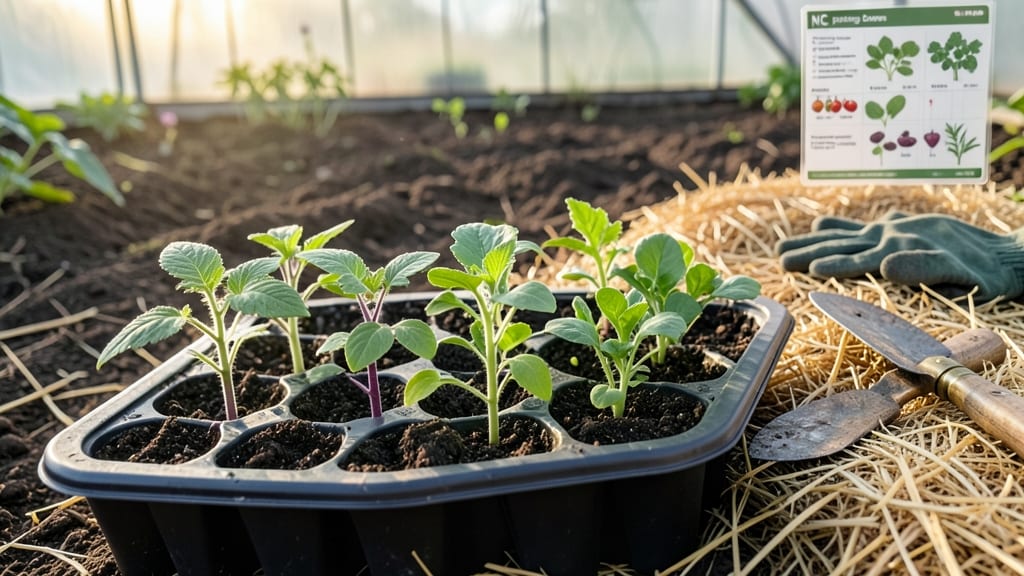
Planting vegetables in North Carolina at the right time means the difference between a bountiful harvest and a sad, wilted garden 🌱—and the timing varies wildly from the coast to the mountains.
Miss the window by even a few weeks, and frost can turn your seedlings into soup. Or plant too late, and you’ll watch the heat arrive before your tomatoes even set fruit.
This is why I’ve mapped out the exact frost-free timelines for NC’s seven planting zones, so you can align your planting schedule with your region’s unique microclimate.
Whether you’re growing cool-season greens or heat-loving peppers, knowing when to start seeds indoors, transplant seedlings, and succession-plant for fall harvests is the key to a productive garden.
Below, I break down the best planting times for every major vegetable category, plus pro tips to stretch your growing season and avoid common NC pitfalls.
Ready to stop guessing and start growing? Let’s dive into the frost dates, soil prep secrets, and planting calendar you need for a thriving North Carolina vegetable garden this year.
North Carolina planting zones & frost dates: key timelines by region
North Carolina spans 7 USDA planting zones (6A-8B), each with distinct last frost dates and first frost timelines that dictate when to plant your vegetables.
From the cooler mountain regions (Zone 6A) to the warmer coastal plains (Zone 8B), understanding these zones helps you avoid frost damage while maximizing harvests. Let’s break down the key timelines by region so you can plan your vegetable garden like a pro.
Your planting strategy depends on whether you’re growing cool-season crops (lettuce, spinach, broccoli) or warm-season crops (tomatoes, peppers, cucumbers). Cool-season veggies thrive in spring and fall, while warm-season varieties need soil temperatures above 60°F and frost-free conditions.
Below, you’ll find the average last frost dates and first frost dates for each NC zone to help you time your plantings perfectly.
Pro Tip: Use a soil thermometer to confirm soil warmth before planting warm-season crops. Soil should be at least 60°F for tomatoes and 70°F for peppers to ensure strong germination and growth.
| Zone | Last Frost Date | First Frost Date | Cool-Season Planting Window | Warm-Season Planting Window |
|---|---|---|---|---|
| 6A (Mountains) | April 15–May 1 | October 15–November 1 | March 1–April 15 | May 15–June 1 |
| 7A (Western Piedmont) | April 1–April 15 | October 30–November 15 | February 15–April 1 | April 20–May 10 |
| 7B (Central Piedmont) | March 20–April 1 | November 1–November 15 | February 1–March 31 | April 1–April 20 |
| 8A (Eastern Piedmont) | March 1–March 15 | November 15–December 1 | January 15–March 15 | March 15–April 1 |
| 8B (Coastal Plain) | February 15–March 1 | December 1–December 15 | January 1–February 28 | February 15–March 15 |
In Zone 6A (Mountains), where frosts linger later into spring and arrive earlier in fall, focus on short-season varieties like bush beans and radishes. These crops mature quickly enough to avoid late frosts.
Meanwhile, gardeners in Zone 8B (Coastal Plain) enjoy a longer growing season, allowing for year-round planting of cool-season crops like kale and collard greens.
For warm-season crops, wait until after your last frost date and ensure soil temperatures are ideal. In Zone 7A, for example, planting tomatoes before April 20 risks frost damage, but by May, the risk drops significantly. Use black plastic mulch to warm the soil faster if needed.
If you’re in a transition zone (e.g., 7A/7B), consider succession planting to extend harvests. For instance, sow lettuce every 2 weeks from February to August. This ensures a steady supply while accounting for variable frost dates.
Always check local microclimates, like valleys or urban heat islands, which can shift frost dates by 1–2 weeks. For example, Asheville (Zone 7A) may frost later than Boone (Zone 6A), even though they’re close in distance.
Use a frost calendar from your local Cooperative Extension Service for precise guidance.
Finally, mark your planting dates on a calendar and set reminders for succession sowing. Whether you’re growing cool-loving greens or heat-demanding peppers, aligning your schedule with NC’s frost-free windows is the key to a bountiful harvest.
Best vegetables to plant in NC by season: cool vs. warm season planting schedule
North Carolina’s diverse climate—from the Coastal Plain to the Mountains—means your planting schedule should adapt to both cool-season and warm-season crops. Cool-season veggies like lettuce and spinach thrive in spring and fall, while tomatoes and peppers need the heat of summer.
Timing is critical: plant too early, and frost will kill tender seedlings; too late, and you’ll miss peak harvests.
For year-round success, I’ve broken down the best vegetables to plant by season, including when to sow seeds vs. transplant seedlings. Whether you’re in Zone 7b (Piedmont) or Zone 8a (Coastal), these guidelines will help you align your garden with NC’s frost-free windows and maximize yields.
- 🌱 Cool-Season Crops (March-April & Sept-Oct): Sow lettuce, kale, and carrots 4-6 weeks before last frost (typically mid-March in most zones). Transplant broccoli and cabbage seedlings in early spring or late summer.
- ☀️ Warm-Season Crops (May-June): Wait until soil reaches 60°F to plant tomatoes, peppers, and beans. Start seeds indoors 6-8 weeks before last frost (usually late March), then transplant after May 15.
- 🌿 Succession Planting: Extend harvests by sowing radishes every 2 weeks in spring/fall. For bush beans, plant 3-4 successive batches every 10 days from May to July.
- ✂️ Transplanting Tips: Harden off seedlings for 7-10 days before moving them outside. Use row covers to protect young plants from late spring frosts (common in Zone 7).
- 🌡️ Frost Dates: Coastal areas (e.g., Wilmington) have last frost dates as early as March 15, while mountain regions (e.g., Asheville) may wait until April 15. Adjust planting dates accordingly.
Don’t overlook root vegetables like potatoes and turnips, which can be planted in early spring (March) or late summer (August) for fall harvests. These crops tolerate cooler soils better than warm-season favorites, making them ideal for NC’s spring and fall windows.
For tomatoes and peppers, prioritize transplanting after Memorial Day (around May 30) to avoid late frosts. If you’re in a warmer microclimate (like the Coastal Plain), you can start early May, but be ready to protect plants with row covers if temperatures dip.
Succession planting is your secret weapon for year-round harvests. For example, sow bush beans every 2 weeks from May through July to ensure a steady supply. Similarly, lettuce can be planted in early spring, late summer, and even fall for a winter harvest before frost.
Pro tip: Use a gardening journal to track your planting dates and note which crops thrive in your specific NC microclimate. Over time, you’ll refine your schedule to match your garden’s unique conditions—whether that’s longer growing seasons in the Coastal Plain or shorter windows in the Mountains. 🌱