
Vegetables
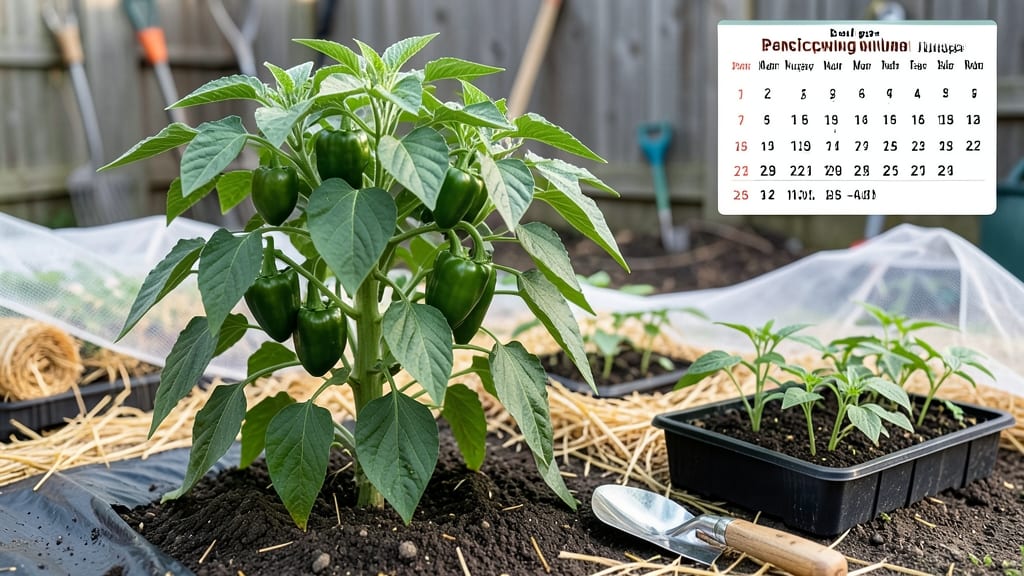
Planting vegetables in North Florida at the right time means the difference between a bumper crop and a sad, wilted mess before harvest.
North Florida’s long, hot summers and mild winters create a unique growing season—planting at the wrong time can mean wilted dreams before harvest. But with the right timing, you can enjoy fresh tomatoes, peppers, and greens year-round.
Here’s the science-backed month-by-month schedule to maximize yields in Florida’s Zone 8b climate, where a single misstep can turn your garden into a sauna for your plants.
You’ll discover the best planting windows for cool-season crops like lettuce and broccoli, heat-tolerant varieties such as okra and sweet potatoes, and how to avoid common mistakes that ruin harvests.
North Florida vegetable planting calendar: best months for each type
North Florida’s Zone 8b climate lets you grow vegetables year-round, but timing is everything. The key is dividing crops into warm-season (heat-loving) and cool-season (frost-tolerant) varieties. Warm-season plants like tomatoes and peppers thrive in 80°F+ soil, while cool-season greens prefer 50-70°F.
Miss the window, and you’ll battle wilting or stunted growth—especially during our humid summers.
Here’s your roadmap: Plant warm-season crops after the last frost (around March 15), and cool-season crops in late summer (August-September) for fall harvests. North Florida’s mild winters even allow overwintering for hardy greens like kale and collards.
Let’s break it down by month to avoid common mistakes and maximize your harvest.
Let’s start with spring planting (March–May), the sweet spot for warm-season vegetables. Tomatoes and peppers should go in after the last frost, typically around March 15. Use black plastic mulch to warm the soil faster and deter weeds.
For beans, sow seeds directly into the garden once soil temps hit 65°F—they’re heat-tolerant but hate cold soil. If you’re impatient, start tomato seedlings indoors in February to transplant outdoors by April.
Summer (June–July) is brutal for most veggies, but heat-tolerant varieties like Okra and
Critical planting mistakes to avoid in North Florida’s climate
North Florida’s humid heat and short frost-free windows demand precise planting timing. Many gardeners make costly mistakes like planting cool-season crops too late in spring or heat-sensitive greens during summer’s peak. These errors often lead to stunted growth, disease, or complete crop failure.
One of the biggest oversights is ignoring soil temperature. Warm-season vegetables like tomatoes and peppers need soil at 70°F or higher to thrive. Planting them too early in March or April can stunt root development, leaving plants vulnerable to fungal diseases once temperatures rise.
Another common mistake is overcrowding seedlings in hopes of faster harvests. North Florida’s high humidity creates perfect conditions for powdery mildew and bacterial wilt when plants don’t get proper airflow. Always follow spacing guidelines—even if it means thinning seedlings.
🌱Here’s the critical warning: North Florida’s fall planting window is narrow—typically mid-August to mid-September—before summer’s heat returns. Missing this window means winter harvests disappear. Meanwhile, spring planting must happen by late February to avoid bolting in heat-sensitive crops like lettuce and spinach.
⚠️ North Florida Planting Pitfalls & Fixes
Mistake: Planting cool-season crops (like broccoli) in summer heat—they’ll bolt or rot.
Fix: Use shade cloth or opt for heat-tolerant varieties (e.g., Florida Broadleaf spinach).
Mistake: Ignoring succession planting for quick harvests like radishes or bush beans.
Fix: Sow every 2 weeks from March–October to avoid gaps.
Mistake: Skipping soil amendments before planting—North Florida’s sandy soil drains too fast.
Fix: Mix in 2–3 inches of compost and mulch heavily to retain moisture.
Don’t underestimate irrigation timing either. Watering late in the day leaves foliage damp overnight, inviting blight and mold. Instead, water early morning to let plants dry quickly. For container gardens, ensure pots have drainage holes—North Florida’s intense afternoon sun can bake roots without proper airflow.
Finally, fall harvests require planning. Plant cabbage and kale by mid-September to mature before December’s occasional frost. Use row covers to protect tender greens if temperatures dip below 32°F. With these adjustments, you’ll avoid the most common mistakes and enjoy year-round harvests in North Florida’s challenging climate.
🌿 Remember: Succession planting and seasonal adjustments are your best tools. Start small, observe your garden’s microclimate, and refine your timing each year for bigger, healthier yields.