
Vegetables
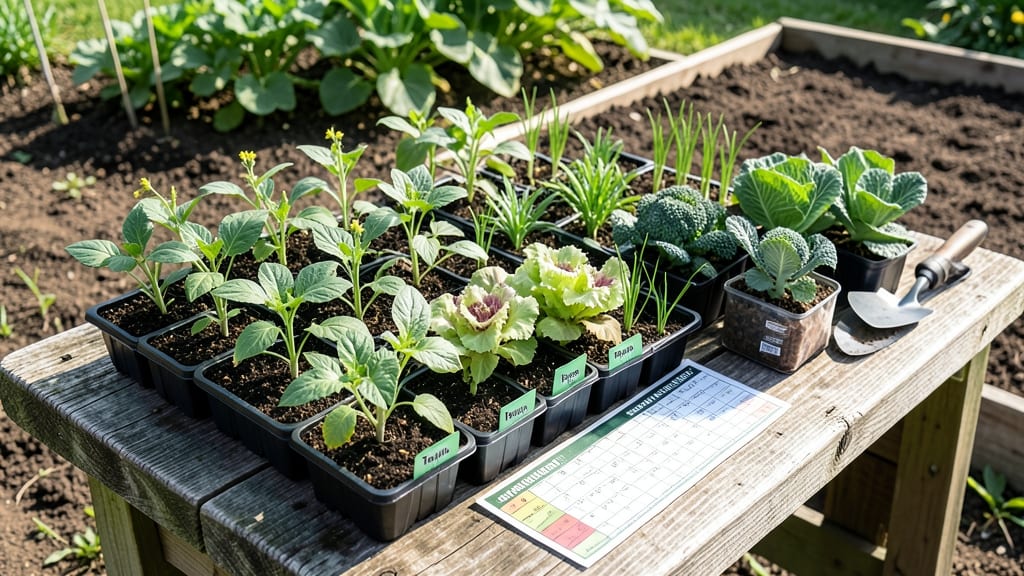
Planting vegetables in Tennessee at the right time means the difference between a thriving garden and a sad, frost-bitten failure.
Tennessee’s climate varies wildly from the humid East to the mountainous West, so your planting schedule isn’t one-size-fits-all. Miss the window, and your seedlings could freeze before they even sprout; nail it, and you’ll enjoy a harvest that stretches from summer through fall.
Whether you’re in Nashville’s urban heat islands or the cooler highlands of the Smokies, knowing your last frost date is the key to success. Below, I break down the exact planting times for every region, plus the fastest-growing crops to maximize your short season.
You’ll learn how to adjust for microclimates, extend the growing season with simple tricks, and choose the best varieties for your zone—so you can start planting with confidence this spring.
Tennessee last frost dates by region: when to start planting vegetables
Tennessee’s three distinct regions—East, Middle, and West—each have unique last frost dates that dictate when to plant your vegetables.
In the humid East, like Memphis, expect your last frost around March 15, while the mountainous West, including Chattanooga, often sees frost linger until April 5. The Middle Tennessee region, like Nashville, typically falls in between with March 25 as the average last frost date.
These dates are crucial because cool-season crops like lettuce, spinach, and peas can handle light frosts, but warm-season crops like tomatoes and peppers need soil temperatures above 60°F to thrive. Planting too early can stunt growth or kill seedlings, while waiting too long might shorten your harvest season.
Below is a region-specific planting timeline that aligns with Tennessee’s frost patterns. Use this as your guide to avoid common mistakes like over-planting or missing the optimal window for your favorite vegetables.
For cool-season crops, like broccoli or cabbage, you can start seeds 4-6 weeks before your region’s last frost date. In East Tennessee, this means sowing late February, while West Tennessee gardeners can begin as early as early March.
These crops tolerate light frosts, so don’t rush—let them establish roots before warmer weather arrives.
When planting warm-season crops, wait until the soil temperature consistently stays above 60°F. In Middle Tennessee, this typically happens around April 20, but always check with a soil thermometer.
Tomatoes, peppers, and cucumbers are sensitive to cold soil, so transplanting too early can lead to poor root growth and stunted plants.
If you’re eager to extend your growing season, consider using row covers or cold frames to protect tender seedlings. These tools can push your last frost date back by 2-3 weeks, giving you an earlier start for warm-season crops.
Just remember to remove covers once temperatures rise to avoid overheating.
In West Tennessee, where the climate is warmer and frost arrives later, you can often get a head start on planting. However, be mindful of humidity levels, which can promote fungal diseases like powdery mildew.
Choose disease-resistant varieties and ensure proper spacing for airflow to keep your plants healthy.
For East Tennessee’s mountainous areas, like the Great Smoky Mountains, frost can linger longer due to higher elevations. If you live above 2,000 feet, expect your last frost to occur 2-3 weeks later than the regional average.
Use this extra time to plan for succession planting of cool-season crops like kale or spinach.
No matter where you garden in Tennessee, always keep an eye on the 10-day forecast before planting. A late frost can still occur, so have frost cloth or row covers on hand to protect your young plants.
With the right timing and preparation, you’ll be enjoying homegrown vegetables all season long!
🌿
Fastest-growing vegetables for Tennessee gardens: best crops for quick harvests
If you're craving fast results from your Tennessee garden, these quick-maturing vegetables deliver harvests in 30-60 days. Whether you're a beginner or working with limited space, these heat-tolerant varieties thrive in our USDA Zones 6-8 and let you enjoy fresh produce without the long wait.
The secret? Succession planting—sowing seeds every 2-3 weeks—to keep a steady supply all season.
I’ve tested these top 8 picks in my own East Tennessee garden, and they consistently perform well even in our hot summers and humid conditions.
From leafy greens that bolt quickly to bush beans that produce prolifically, these crops prove you don’t need a full season to enjoy homegrown goodness. Let’s dive into the fastest options that’ll have you feasting in no time.
🌱 Top 8 Fastest-Growing Vegetables for Tennessee Gardens
- 1. Bush Beans – Ready in 50-60 days. Choose heat-tolerant varieties like 'Blue Lake' or 'Contender' for Tennessee’s summers. Plant every 2 weeks for continuous harvests.
- 2. Radishes – Harvest in just 25-30 days. 'Cherry Belle' or 'French Breakfast' thrive in cool spring soil and can handle light shade.
- 3. Lettuce (Leaf Varieties) – 'Black Seeded Simpson' or 'Buttercrunch' mature in 30-40 days. Succession plant every 10 days to avoid bolting.
- 4. Spinach – Ready in 35-45 days. 'Bloomsdale Long Standing' handles Tennessee’s mild winters and can be planted in early spring or fall.
- 5. Turnips – Greens and roots in 40-50 days. 'Purple Top White Globe' is a dual-purpose variety perfect for small gardens.
- 6. Swiss Chard – Harvest greens in 40-50 days. 'Bright Lights' adds color to your plate and tolerates heat better than most greens.
- 7. Cucumbers (Bush Types) – 'Bush Champion' matures in 50-55 days. Use trellises to save space and improve air circulation.
- 8. Zucchini (Bush Varieties) – 'Eight Ball' produces in 45-50 days. Plant near trellises to contain vines and reduce space needs.
For succession planting, I recommend starting with radishes and lettuce—they’re the fastest and give you immediate gratification. Follow up with bush beans and spinach to keep the harvests rolling.
In my garden, I’ve found that planting every 2 weeks from late spring through early summer ensures a steady supply without overwhelming me with too much produce at once.
One pro tip: Use shade cloth during Tennessee’s peak summer heat (July-August) to protect leafy greens from bolting. A 30% shade cloth extends their harvest window by 2-3 weeks.
I also mulch heavily with straw to retain moisture—critical during our dry spells. This simple step has cut my watering time in half while keeping plants thriving.
Don’t forget about container gardening! Many of these fast growers—like radishes, lettuce, and bush beans—thrive in 5-gallon buckets. This is perfect for balconies, patios, or small yards. Just ensure containers have drainage holes and use a lightweight potting mix to prevent root rot in our humid climate.
To maximize your quick harvests, pair these fast growers with slow-to-mature crops like tomatoes or peppers. While your bush beans are producing, your tomato plants will be establishing roots—giving you a balanced harvest schedule.
It’s all about working with Tennessee’s long growing season while avoiding the pitfalls of extreme heat or late frosts.