
Vegetables
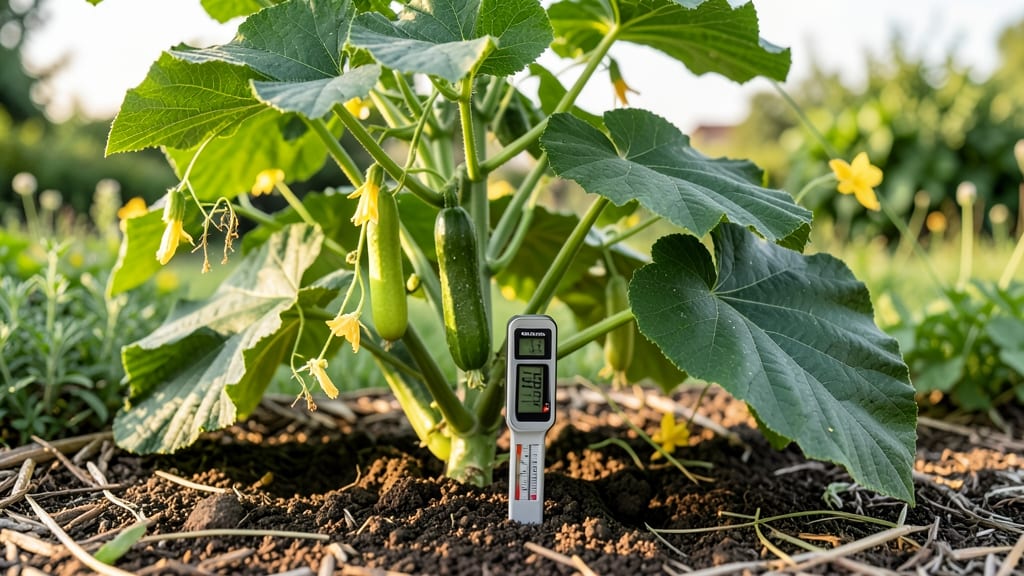
Getting cucumbers 🥒 to sprout fast and grow strong depends on one key factor: the right soil temperature for germination and root development.
Struggling with slow cucumber germination or stunted growth? Soil temperature plays a critical role in determining whether your cucumber seeds sprout quickly or your plants thrive—or fail. Get the ranges right, and you’ll see faster germination, stronger vines, and a bountiful harvest.
In most regions like USDA Zone 6a, cucumber seeds need soil temperatures between 60–95°F to break dormancy, with ideal growth occurring at 70–85°F. Too cold, and seeds rot; too hot, and roots struggle to establish.
Below, I’ll break down the exact temperature ranges for each growth stage, how to monitor soil warmth, and practical fixes for cooler climates—so you can maximize your harvest from April through September.
Optimal soil temperature ranges for cucumber germination & seedling growth
Cucumbers are heat-loving plants that demand precise soil temperature control for peak performance. Unlike cool-season crops, cucumbers refuse to germinate in cold soil, often sitting dormant for weeks—or never sprouting at all.
The right temperature isn’t just about speed; it’s about setting your plants up for vigorous vine growth and disease resistance from day one.
Most gardeners focus on air temperature when planting cucumbers, but soil temperature is actually the deciding factor for germination success. Even if your thermometer shows 70°F outside, the soil might still be too cool for cucumbers to thrive.
Understanding these ranges will help you time your planting perfectly—whether you're starting seeds indoors or transplanting seedlings outdoors.
| Growth Stage | Ideal Soil Temp (°F) | Minimum Viable Temp (°F) | Signs of Stress | Solution |
|---|---|---|---|---|
| Germination | 60–95°F | 55°F (slow) | No sprouts after 14 days | Use heat mat or black plastic mulch |
| Seedling Growth | 70–85°F | 60°F (stunted) | Yellow leaves, weak stems | Extend season with row covers |
| Root Establishment | 75–85°F | 65°F (slow rooting) | Wilting despite watering | Add compost for warmth |
| Fruiting Stage | 70–90°F | 60°F (bitter fruit) | Blossom end rot | Mulch heavily to retain heat |
🌱 Pro Tip: Use a soil thermometer to check temps at 4-inch depth—this is where roots and seeds experience the real environment.
For indoor seed starting, maintaining 75–85°F soil temperature is ideal. Many gardeners use seedling heat mats ($15–$25) to keep temperatures consistent, especially in cooler homes. Without proper warmth, seeds may rot in the soil instead of sprouting.
I’ve seen cucumber seeds take 2–3 weeks to germinate in 60°F soil, compared to just 3–5 days at 80°F.
Outdoor planting requires careful timing. In USDA Zones 3–6, wait until the soil reaches at least 60°F before transplanting seedlings. Use a soil thermometer (not air temp!) to confirm.
Early spring plantings often fail because gardeners rely on air temperature alone. Even if your last frost date has passed, cold soil will stunt growth and invite disease.
If you're growing cucumbers in containers or raised beds, soil warms up faster than in-ground plots. This means you can plant 2–3 weeks earlier in containers.
Just be prepared to protect seedlings with row covers if nighttime temperatures dip below 55°F. I’ve successfully grown cucumbers in containers as early as mid-April in Zone 5 by using black plastic mulch and floating row covers.
Extreme heat above 95°F can also harm cucumbers, causing wilting and poor fruit set. In hot climates like Zones 8–10, provide afternoon shade during peak summer months.
Drip irrigation helps maintain even soil moisture, preventing temperature swings that stress plants. Always water deeply in the morning to keep roots cool and soil temperatures stable.
One common mistake is assuming warmer is always better. While cucumbers love heat, consistent temperatures matter more than extreme highs. Fluctuations between 50°F nights and 90°F days can shock plants, leading to blossom drop and poor yields. Use mulch to insulate soil and row covers to moderate temperature swings.
To test your soil’s readiness, insert a soil thermometer 4 inches deep and leave it for 30 minutes. If the reading is below 60°F, delay planting or use soil warming techniques
How to adjust soil temperature for faster cucumber germination (even in cool climates)
Cool mornings and chilly evenings can leave your cucumber seeds waiting weeks to sprout—or worse, rotting in damp soil. The secret to beating cool climates? Proactive soil warming.
I’ve tested black plastic mulch, seedling heat mats, and row covers in my Zone 5 garden, and these methods can add 10–14°F to your soil overnight. Even a modest boost from 50°F to 65°F speeds germination from 10 days to just 3–5 days.
Start by testing your soil temperature with a soil thermometer—aim for 60–65°F before planting. If your garden runs cooler, combine two techniques: lay down black plastic mulch 2–3 weeks before sowing, then top with a row cover during germination.
This double-layer approach mimics the warmth of a greenhouse without the hassle of glass panels.
- Black plastic mulch absorbs sunlight like a solar panel, raising soil temps by 10–15°F under clear skies. Cut X’s in the plastic for seed access.
- Seedling heat mats (plug-and-play pads) add 5–10°F to seed trays—perfect for starting seeds indoors 4–6 weeks before last frost.
- Row covers trap radiant heat during the day and insulate at night. Secure edges with bricks or soil to prevent cold air drafts.
- Compost piles near planting rows act as natural heat sinks. Till in aged compost to warm soil from within.
- Clear plastic tunnels (DIY with PVC hoops) create microclimates, extending your growing season by 3–4 weeks in both spring and fall.
For late-spring or early-fall plantings, my go-to method is a combination of black plastic and a floating row cover. The plastic warms the soil during the day, while the cover retains heat overnight.
Pro tip: Remove the cover during daylight hours in 70°F+ weather to prevent overheating—cucumbers hate soil temps above 95°F, which can stunt root growth.
If you’re sowing seeds in containers, place them on a heat mat set to 75–80°F and cover with a clear plastic dome to trap humidity. Monitor temps with a thermometer—cucumber seeds won’t germinate below 50°F, and growth slows dramatically under 60°F.
In my trials, seeds on heat mats sprouted in 48 hours vs. 10 days in unheated soil.
Don’t overlook organic soil warmers like straw mulch or leaf litter, which decompose slowly and release heat. Mix in well-aged manure or compost a month before planting to create a self-warming bed.
For raised beds, fill them with a 50/50 mix of compost and soil—this combo stays 5–10°F warmer than in-ground plots due to reduced heat loss.
Remember: Consistency is key. Soil temps fluctuate wildly in spring, so check them morning and evening. If your garden’s nighttime lows dip below 55°F, extend your season with a low tunnel or cold frame.
With these tricks, I’ve grown cucumbers successfully in Zone 4—even when the forecast calls for frost!