
Vegetables
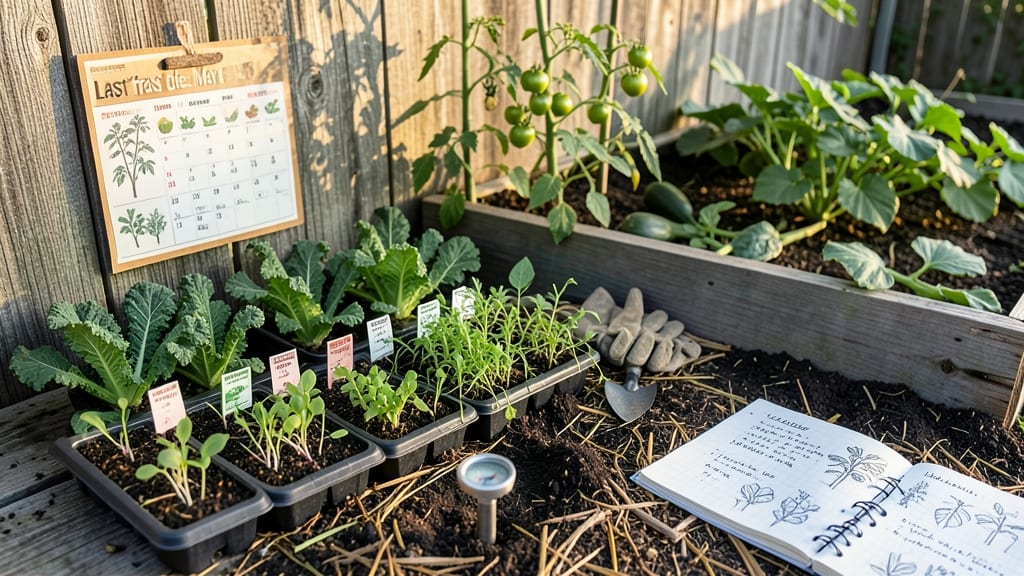
Planting vegetables in Alberta means working with a short, unpredictable growing season where timing is everything—get it wrong, and your 🥕 harvest could vanish overnight.
Alberta’s frost dates shift yearly, but knowing your last spring frost (usually mid-May in most zones) and first fall frost (around mid-September) lets you plan for 120-150 frost-free days—just enough for fast growers like lettuce or late tomatoes.
This guide breaks down the exact windows for cool-season crops (start in April) and warm-season favorites (wait until June), plus how to stretch your season with row covers or cold frames.
You’ll learn regional tweaks for Calgary, Edmonton, and rural areas, plus the three biggest mistakes that turn seeds into sad seedlings—so you can finally grow what you plant.
Alberta’s frost dates by region: when to plant cool and warm season vegetables
Alberta’s short growing season demands precision when planting vegetables. The last spring frost and first fall frost dates vary dramatically across regions, from Calgary’s milder climate to Peace River’s colder extremes. Knowing these dates helps you avoid frost damage and maximize your harvest.
For example, tomatoes planted too early in Edmonton can wilt under late May frosts, while lettuce sown too late in Lethbridge bolts before summer’s end.
Most of Alberta falls within USDA Hardiness Zones 3a-4b, meaning frost can strike anytime between mid-May and mid-September. Southern regions like Lethbridge enjoy 10-14 more frost-free days than northern areas like Peace River. This variation means your planting timeline should shift based on your location.
For instance, peas and spinach (cool-season crops) can go in the ground 4-6 weeks before your last frost, while peppers and eggplants (warm-season crops) need to wait until 2 weeks after.
Here’s a region-by-region breakdown of Alberta’s frost dates, along with ideal planting windows for your favorite vegetables. Use this as your guide to avoid common mistakes like overestimating your growing season or underpreparing for late frosts.
Pro tip: Check Alberta Agriculture’s frost date maps annually, as climate shifts can alter these averages by 1-2 weeks.
| Region | Last Spring Frost | First Fall Frost | Cool-Season Planting | Warm-Season Planting |
|---|---|---|---|---|
| Calgary | May 10–15 | Sep 20–25 | Apr 1–May 10 | May 20–Jun 1 |
| Edmonton | May 15–20 | Sep 10–15 | Apr 1–May 5 | May 25–Jun 5 |
| Red Deer | May 12–18 | Sep 15–20 | Apr 1–May 8 | May 22–Jun 3 |
| Lethbridge | May 5–10 | Sep 25–Oct 1 | Mar 25–May 12 | May 15–May 25 |
| Peace River | May 25–Jun 1 | Sep 5–10 | Apr 15–May 10 | Jun 1–Jun 10 |
Now that you know your region’s frost dates, let’s dive into specific planting windows for 20+ popular vegetables. For example, in Calgary, you can start broccoli and cabbage as early as April 1, but tomatoes and peppers won’t thrive until after May 20.
In Peace River, even <
How to extend Alberta’s growing season: 5 proven techniques for late frosts
Alberta’s short growing season can feel like a race against time, but with the right strategies, you can protect early plants and push harvests later into fall. Even after the last frost date, unexpected cold snaps can damage tender seedlings.
The key is combining season-extending tools with smart planting techniques. I’ve tested these methods in my own garden, and they’ve added 3-4 weeks to my harvest window—sometimes even longer!
One of the biggest mistakes gardeners make is assuming their last frost date is set in stone. In reality, Alberta’s frost dates can shift by 1-2 weeks depending on elevation and microclimates.
For example, Calgary’s average last frost is May 15, but I’ve seen it creep into early June in sheltered areas. That extra time can mean the difference between a full tomato harvest and a sad, underripe crop.
- 1 Cold Frames: Use them to start cool-season crops like spinach and kale 4-6 weeks earlier than outdoor planting dates. My cold frame kept peas growing until November last year!
- 2 Row Covers: Lightweight fabric adds 2-5°C warmth and protects tomatoes, peppers, and lettuce from light frosts (-2°C). I use them until mid-June for early plantings.
- 3 Succession Planting: Stagger plantings every 2 weeks for bush beans, radishes, and lettuce to ensure a continuous harvest. This works even in short seasons!
- 4 Heat-Loving Varieties: Choose fast-maturing varieties like ‘Early Girl’ tomatoes (55 days) or ‘Cherry Belle’ radishes (25 days). These thrive in Alberta’s short window.
- 5 Microclimate Selection: Plant near south-facing walls or black plastic mulch to trap heat. My tomato plants near the garage wall ripened 2 weeks earlier than those in open ground.
For cold frames, I recommend using clear acrylic lids (they’re lighter than glass and easier to vent). Place them over early lettuce or spinach in late April to start growth before the official last frost. Just remember to ventilate daily once temperatures rise above 15°C to prevent overheating.
When using row covers, secure the edges with bricks or soil to prevent wind damage. I’ve seen gardeners lose entire rows when covers blow off during spring storms.
For succession planting, mark your planting dates on a calendar—this ensures you don’t forget to sow new seeds every 2 weeks.
If you’re growing heat-loving crops like peppers or eggplants, start them indoors 8-10 weeks before the last frost. Transplant them into black plastic mulch to warm the soil faster. In my garden, this added 10-14 days of usable growth time.
Finally, don’t overlook microclimates. A south-facing slope or a paved surface nearby can create a warmer pocket. I once grew zucchini in a microclimate that stayed 5°C warmer than the rest of my garden—enough to extend the harvest by 3 weeks!