
Vegetables
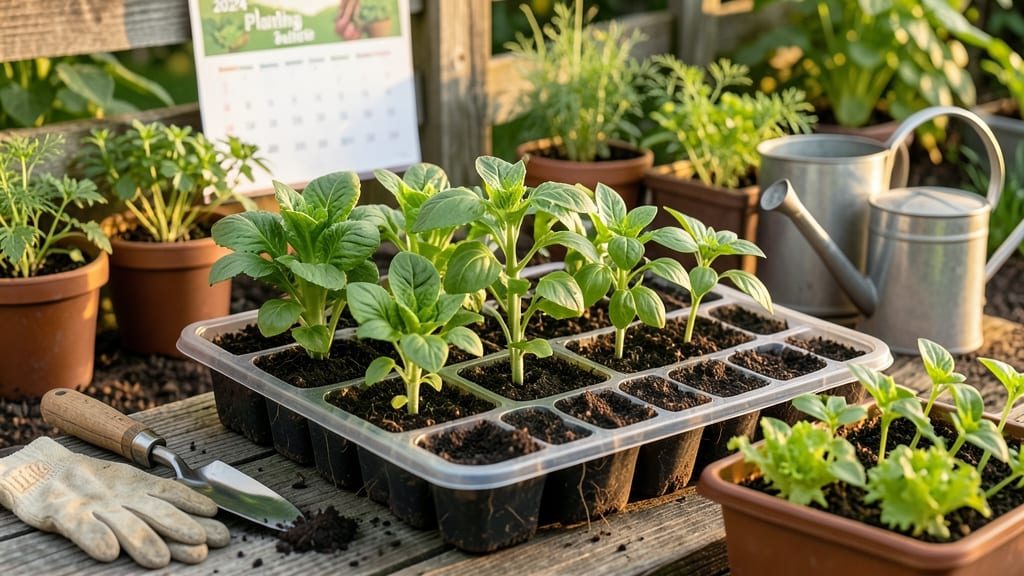
Starting vegetables at the right time means the difference between a bountiful harvest and a sad pile of withered seedlings—timing your plantings to your local frost-free dates is the key to success.
Picture this: you’ve spent weeks nurturing your seedlings, only to watch them crisp under an unexpected frost. Or worse, you plant too late and the heat arrives before your tomatoes even set fruit.
Knowing when to start planting vegetables isn’t just about following a calendar—it’s about reading your climate, your soil, and even the phase of the moon (yes, really).
Most gardeners rely on their USDA hardiness zone and last frost dates, but the truth is, even small regional differences can shift your planting window by weeks. Coastal areas stay milder longer, while inland zones may need row covers to protect early starts.
And let’s not forget the difference between cool-season crops like lettuce and warm-season favorites like peppers—they demand completely opposite timing.
In this guide, I’ll break down the exact frost-free dates by zone, show you how to adjust for unpredictable weather, and give you a cheat sheet for popular vegetables so you can start planting with confidence—no more guesswork, just thriving plants and a full harvest table.


Understanding frost-free dates by US planting zones
Timing your vegetable planting based on frost-free dates and USDA hardiness zones ensures your garden thrives. These dates mark the last expected frost in spring and first frost in fall, guiding when to plant cool-season vs. warm-season crops.
For example, Zone 5 typically has frost-free dates around May 15, while Zone 9 might see frost as late as January. Knowing your zone helps avoid frost damage or wasted seeds.
Start by locating your USDA Plant Hardiness Zone using the official map. Most gardeners fall between Zone 3 (Alaska, northern Midwest) and Zone 11 (southern Florida, Hawaii). Once you know your zone, adjust planting times for early spring, late spring, and summer crops.
Cool-season veggies like spinach and peas can handle light frost, while tomatoes and peppers need warmer soil.
Here’s how frost-free dates translate into planting windows across zones:
| USDA Zone | Last Frost Date (Spring) | First Frost Date (Fall) | Early Planting Window | Late Planting Window |
|---|---|---|---|---|
| Zone 3 | May 10–20 | September 20–October 10 | Cool-season: March–April Warm-season: May 20–June 10 |
Cool-season: August–September Warm-season: July 1–August 15 |
| Zone 5 | April 20–May 10 | October 10–20 | Cool-season: February–March Warm-season: May 10–June 1 |
Cool-season: August–September Warm-season: July 15–August 30 |
| Zone 7 | March 15–April 15 | November 15–December 1 | Cool-season: January–February Warm-season: April 15–May 15 |
Cool-season: September–October Warm-season: August 1–September 15 |
| Zone 9 | February 1–March 15 | December 15–January 15 | Cool-season: October–November Warm-season: February 15–March 30 |
Cool-season: January–February Warm-season: September 1–October 15 |
| Zone 11 | Year-round (no frost) | Year-round (no frost) | Cool-season: September–November Warm-season: February–April |
Cool-season: December–January Warm-season: May–July |
For Zone 3 gardeners, start cool-season crops like kale and carrots in early spring (March–April) and warm-season crops like beans and cucumbers after the last frost (May 10–20).
In Zone 9, you can plant year-round, but focus on winter crops (broccoli, lettuce) in fall and summer crops (tomatoes, peppers) in spring.
Use local weather records to fine-tune your planting. For instance, inland areas often have earlier frosts than coastal regions. Check with your local cooperative extension office for hyper-local advice. They provide 10-year averages of frost dates, which can differ by weeks from the USDA map.
Cool-season crops like spinach and radishes tolerate light frost, so plant them 4–6 weeks before your last frost date. Warm-season crops like tomatoes and peppers need soil temperatures above 55°F, so wait until after your last frost. Test soil temperature with a soil thermometer—it’s more accurate than guessing!
Adjust for succession planting too. Fast-growing crops like lettuce or bush beans can be sown every 2–3 weeks to extend harvests. In Zone 5, for example, plant lettuce in early spring and again in late summer for a fall harvest before frost hits.
Don’t forget to account for transplant shock when starting seeds indoors. Most seedlings need 4–8 weeks of indoor growing before the last frost. For Zone 7, start tomato seeds indoors in March to transplant outdoors by May 1. Use a planting calendar to track these timelines.
If you’re new to gardening, start with slow-growing crops like onions or peas, which are forgiving if planted slightly late. For
Best planting times for popular vegetable varieties
Getting your vegetable planting schedule right is key to a bountiful harvest. Cool-season crops like lettuce and peas thrive in early spring, while warm-season favorites such as tomatoes and peppers need to wait until after the last frost.
Even within these categories, timing varies by USDA hardiness zone and your local climate patterns. Coastal areas often have milder winters, allowing earlier starts, while inland regions may need to wait longer for soil to warm.
For most gardeners, the best approach is to categorize your vegetables by their heat tolerance and growth speed. Fast-growing crops like radishes can be planted as soon as the soil is workable, while slower growers like corn need consistent warmth.
Below, I’ve outlined the ideal planting windows for 10+ popular vegetables, including adjustments for different regions.
- Early Spring (Cool-Season Crops): Plant lettuce, spinach, peas, and carrots 4-6 weeks before your last frost date. These thrive in 50-65°F soil and can tolerate light frosts. Coastal gardeners can start as early as February-March, while inland zones may wait until April.
- Late Spring (Warm-Season Starts): Begin tomatoes, peppers, and eggplants indoors 6-8 weeks before the last frost. Transplant seedlings outdoors only after soil reaches 60°F+. In Zone 7+, this is typically April-May, but Zone 5 gardeners may delay until May-June.
- Summer (Heat-Loving Crops): Direct-sow beans, cucumbers, and squash after all danger of frost has passed. These prefer 70-85°F soil and do best when planted in June-July. Coastal areas with cooler summers can extend this window into August.
- Fall (Cool-Season Extensions): Replant kale, broccoli, and Brussels sprouts 8-10 weeks before your first frost. These crops actually sweeten with frost and can be sown as late as July-August in most zones. Coastal regions may push this to September.
- Succession Planting Tips: For continuous harvests, stagger plantings every 2-3 weeks for crops like lettuce, radishes, and bush beans. This ensures you’re always enjoying fresh produce. In Zone 10+, you can plant year-round with minimal breaks.
- Regional Adjustments: Gardeners in high-desert areas (e.g., Zone 7 with dry heat) may plant earlier than coastal zones with similar last-frost dates. Always check soil temperature with a thermometer—it’s more reliable than air temperature for timing.
- Pro Tip: Use row covers to extend early spring planting by 2-4 weeks for heat-sensitive crops like cucumbers and melons. Remove covers during the day to prevent overheating. This is especially useful in Zone 5-6 gardens.
Remember, these guidelines are flexible. Monitor your plants and adjust based on weather patterns. For example, if your spring is unusually cold, delay warm-season crops until soil warms naturally. Conversely, if you have a mild winter, you might start cool-season crops earlier than recommended.
Start with 3-5 varieties that suit your climate, and expand as you gain confidence. The key is observation and adaptation—your garden will teach you the best times over the years. Happy planting! 🌱