
Light Requirements
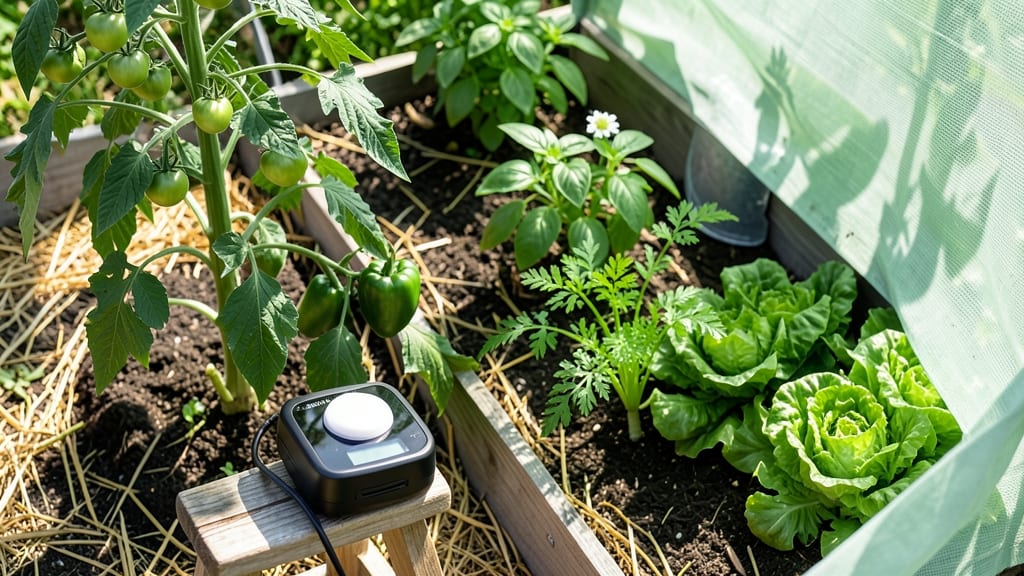
A vegetable garden needs how much sun does a vegetable garden need between 6 and 8 hours of sunlight daily 🥬 to thrive, but the exact amount depends on what you’re growing—and getting it wrong can turn your hard work into disappointment.
Picture this: you’ve spent hours prepping soil, planting seeds, and watering faithfully, only to watch your tomatoes turn bitter or your lettuce bolt into flowers before you even get a bite. That’s the classic sign of sunlight mismanagement, and it’s easier to fix than you think.
Not all vegetables demand the same amount of light—leafy greens like spinach or kale can handle 3 to 6 hours, while heavy producers like peppers and eggplants crave full sun all day.
The key is matching your plants to your garden’s natural light, which might mean swapping out a struggling tomato plant for shade-tolerant Swiss chard in a shady corner.
In this guide, I’ll break down the exact sunlight needs for your favorite crops, show you how to measure your garden’s light, and share tricks for maximizing yield—even in less-than-ideal spots. Let’s turn your garden into the sun-powered success it deserves.

Sunlight requirements for vegetable gardens: full sun vs partial shade explained
Sunlight is the lifeblood of your vegetable garden, but not all plants need the same amount. Full sun means 6+ hours of direct sunlight daily, while partial shade offers 3-6 hours, and full shade provides less than 3 hours.
Understanding these categories helps you place each plant in its ideal spot for maximum growth and yield. For example, tomatoes and peppers thrive in full sun, while lettuce and spinach prefer partial shade to prevent bolting.
Most vegetable plants fall into the full sun category, which means they need at least 6 hours of direct sunlight to produce fruit, flowers, or mature leaves. Partial shade works for leafy greens and herbs that can't handle intense afternoon heat. Full shade is rare in vegetable gardens but can work for certain root crops or greens in very hot climates.
Misjudging sunlight can lead to stunted growth, poor yields, or even plant death.
Here’s a quick breakdown of how sunlight impacts your garden’s most popular vegetables:
If your garden doesn’t get 6+ hours of sunlight, focus on partial-shade vegetables like leafy greens, herbs, and root crops. Morning sun is often more beneficial than afternoon heat, especially in hot climates.
For example, planting lettuce on the north or east side of your garden can extend its growing season by providing gentle morning light without the intensity of afternoon rays.
For full-sun lovers like tomatoes and peppers, consider using reflective surfaces or white walls to bounce extra light into shadier spots. Raised beds can also help by warming the soil faster, giving plants a head start in cooler mornings.
If you’re unsure about your garden’s sunlight exposure, use a sunlight tracker or observe how shadows move throughout the day to map out the best planting zones.
Even shade-tolerant plants can struggle if they get too little light. Symptoms like yellowing leaves, stunted growth, or poor flowering often signal insufficient sunlight. In these cases, try container gardening near sunny windows or use grow lights for indoor setups.
For outdoor gardens, interplanting taller plants with shorter ones can maximize sunlight distribution.
Remember, microcl
Best vegetables for low-sun gardens: thriving plants under 6 hours of light
Not all hope is lost if your garden only gets 4-6 hours of sunlight daily. Many vegetables thrive in low-light conditions, especially leafy greens, herbs, and root crops.
These shade-tolerant plants can produce bountiful harvests with minimal sun exposure, making them perfect for urban balconies, north-facing yards, or areas with tree shade.
When selecting vegetables for partial shade gardens, focus on varieties that prioritize leaf or root production over fruiting. These plants often grow slower but still deliver flavorful yields. With the right soil preparation and watering schedule, you can create a productive garden even in low-sun environments.
⚠️ numbered-highlights ⚠️
- 🌱 Leafy Greens (3-6 hrs): Spinach, Kale, Swiss Chard, Lettuce – Grow best in cool weather and tolerate partial shade.
- 🌿 Herbs (4-6 hrs): Cilantro, Parsley, Dill, Chives – Flavor intensifies in cooler, shadier conditions.
- 🥕 Root Vegetables (4-6 hrs): Radishes, Carrots (short varieties), Beets – Need well-draining soil to prevent rot in low-light.
- 🍅 Fruiting Plants (4-6 hrs): Peppers (bell varieties), Green Onions, Bush Beans – May yield smaller fruits but still productive.
- 🍄 Avoid in Shade: Tomatoes, Cucumbers, Squash, Corn – These sun-lovers struggle with less than 6 hours of light.
For leafy greens like spinach and kale, prioritize morning sunlight (3-4 hours) to prevent bolting. These plants thrive in cooler temperatures and can even handle dappled shade from trees. Use container gardening to move pots closer to sunlight as the day progresses, maximizing their exposure.
Herbs like cilantro and parsley often bolt faster in full sun, so partial shade actually improves their flavor and longevity. Mulch heavily to retain moisture, as low-sun areas can dry out quicker. A layer of compost or straw keeps roots cool and hydrated, reducing stress on shade-loving plants.
When planting root vegetables in partial shade, choose shorter varieties like radishes or baby carrots, which mature faster and require less sunlight. Amend the soil with organic matter to improve drainage—poor drainage in shaded spots can lead to rot.
Harvest roots promptly to avoid woody textures caused by slow growth.
Even in low-light gardens, you can boost productivity with reflective surfaces like white walls or mirrors to redirect sunlight. Grouping shade-tolerant plants together also creates a microclimate that retains moisture and moderates temperature. With these strategies, your partial-shade garden can rival sunnier plots in both yield and flavor.