
Plants
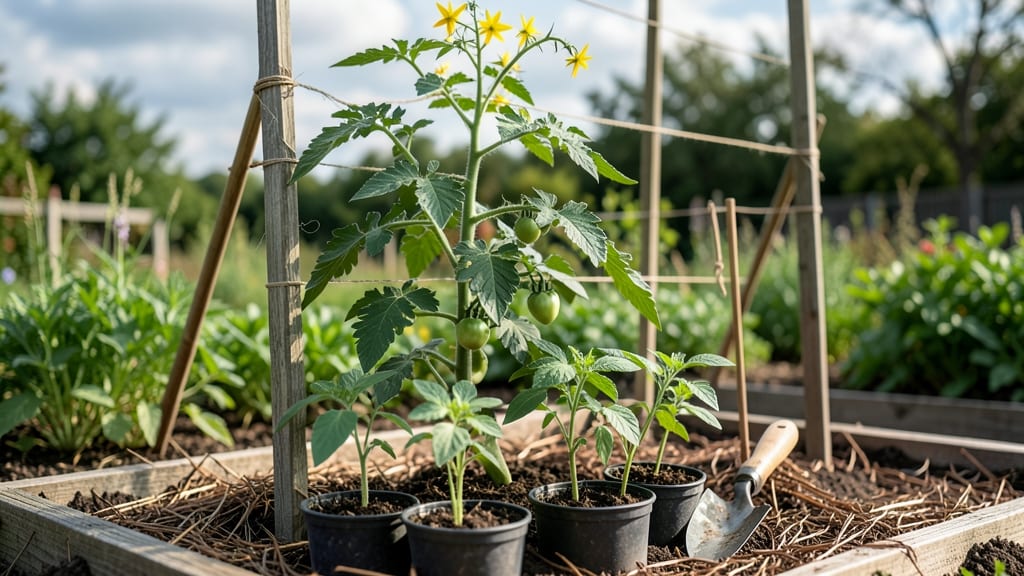
Planting tomatoes in Minnesota requires precise timing—wait until after the last frost, when soil temperatures hit 60°F and nights stay above 50°F.
Minnesota gardeners know timing is everything—plant tomatoes too early, and frost will strike; too late, and your harvest shrinks. But with the right schedule, you can grow juicier, more abundant tomatoes than ever before.
Most of the state falls in USDA Zones 4a-4b, where the last frost typically arrives between May 10–20. That means starting seeds indoors by March 15 gives you transplants ready for the ground just in time.
Below, I break down the exact planting windows by zone, how to extend your season with row covers, and the best varieties for Minnesota’s short but sweet growing season.
Minnesota tomato planting dates by hardiness Zone (with frost risk alerts)
Minnesota’s short growing season demands precision when planting tomatoes. In USDA Zones 3-5, timing can mean the difference between a bountiful harvest and a failed crop.
Most of Minnesota falls in Zone 4a-4b, where last frost dates shift from mid-May in northern regions to early May in southern areas. But frost isn’t the only factor—soil temperature and nighttime lows also play critical roles.
For direct sowing, wait until soil warms to at least 60°F and nighttime temperatures stay above 50°F. In Zone 3, this often means waiting until late May, while Zone 5 gardeners can start as early as mid-May.
If you’re transplanting seedlings, harden them off first and plant after the last frost—typically May 10-20—to avoid stunted growth.
Here’s a quick reference for your zone, including frost risk alerts and soil temperature thresholds to maximize your tomato yield:
Adjust your planting dates if you experience an early frost or unusually cold spring. For example, in Zone 4a, if frost lingers past May 30, delay planting until June 1 to avoid transplant shock.
Conversely, if your soil warms earlier than expected, you can plant 1-2 weeks ahead of the average date—just monitor nighttime temperatures closely.
For transplants, start seeds indoors 6-8 weeks before your last frost date. In Zone 3, this means early April starts, while Zone 5 gardeners can begin in mid-March.
Use grow lights if natural light is limited, and harden off seedlings for 7-10 days before planting to toughen them up for Minnesota’s variable weather.
If you’re unsure about your last frost date, check the MN State Climatology Office or use a frost calendar app. These tools provide hyperlocal data that can shift planting windows by 1-2 weeks depending on your exact location.
For example, Duluth (Zone 4a) may frost until June 5, while Rochester (Zone 4b) typically sees its last frost by May 15.
Pro tip: Use row covers or cold frames to extend your season. These can push your harvest window 2-3 weeks later by protecting plants from late spring frosts or early fall chills. Just remove covers when flowers appear to prevent pollination issues.
Finally, choose fast-maturing varieties like 'Early Girl' (50 days) or 'Stupice' (55 days) for Zone 3, while Zone 5 gardeners can opt for 'Brandywine' (80 days) or 'Sungold' (60 days). Matching your variety to your frost-free days ensures a reliable harvest before the first frost in October.
With these zone-specific guidelines, you’ll avoid the most common Minnesota tomato planting mistakes and enjoy homegrown tomatoes from July through September—or even longer with season extension tricks! 🌱
How to extend Minnesota’s growing season for tomatoes (without greenhouses)
Minnesota’s short growing season can feel like a tomato grower’s worst enemy, but with the right strategies, you can push your harvests well into fall. The key is combining season-extending tools with smart planting techniques to protect your plants from late frosts and early chills.
I’ve tested these methods in my own garden—some work better than others, but all can add weeks (or even months) to your tomato production.
One of my favorite tricks is using row covers and cold frames to create microclimates that shield plants from frost while still allowing sunlight and airflow. These tools are affordable, easy to set up, and can transform a 50-day harvest window into a 120-day feast.
Pair them with heat-tolerant varieties and succession planting, and you’ll be picking tomatoes long after your neighbors have given up.
Here’s my ranked list of the most effective techniques, based on real-world results from Minnesota gardens:
-
1. Row Covers
Use lightweight fabric (like Reemay) to protect plants from light frosts (28–32°F). Remove during the day for pollination.
-
2. Cold Frames
Extend harvests by 4–6 weeks with a simple wooden frame covered in plexiglass. Ideal for determinate varieties like 'Stupice' or 'Roma'.
-
3. Succession Planting
Plant fast-maturing varieties (like 'Early Girl' or 'Patio Princess') every 2–3 weeks from late May to early July for staggered harvests.
-
4. Heat-Tolerant Varieties
Choose heat-set types like 'Solar Fire' or 'Heatmaster' that thrive in 85°F+ temperatures without blossom drop.
-
5. Container Gardening
Move pots indoors or to a garage during cold snaps (below 40°F). Use 5-gallon buckets for dwarf varieties like 'Tiny Tim'.
My top-performing Minnesota-adapted tomato varieties for extended seasons are 'Sungold' (sweet cherry tomatoes that ripen quickly), 'Stupice' (a cold-hardy heirloom), and 'Celebrity' (a reliable workhorse for sauces). I’ve also had success with 'Brandywine' in cold frames—it’s a flavor powerhouse that rewards patience.
The trick is to pair these varieties with the right protection method based on your microclimate.
For example, if you’re in Zone 4a, focus on row covers for early planting and cold frames for late harvests. In Zone 5, you can push the envelope further with succession planting and container moves.
Always monitor your local frost forecasts and adjust timing accordingly—last year, a late May frost caught me off guard, but my row covers saved the day.
Don’t forget to prune strategically in late summer to redirect energy into ripening existing fruit rather than new growth. Remove suckers and lower leaves to improve airflow, which reduces disease risk—a critical factor in Minnesota’s humid summers.
With these techniques, I’ve extended my tomato season from 6 weeks to nearly 4 months, and you can too.