
Vegetables
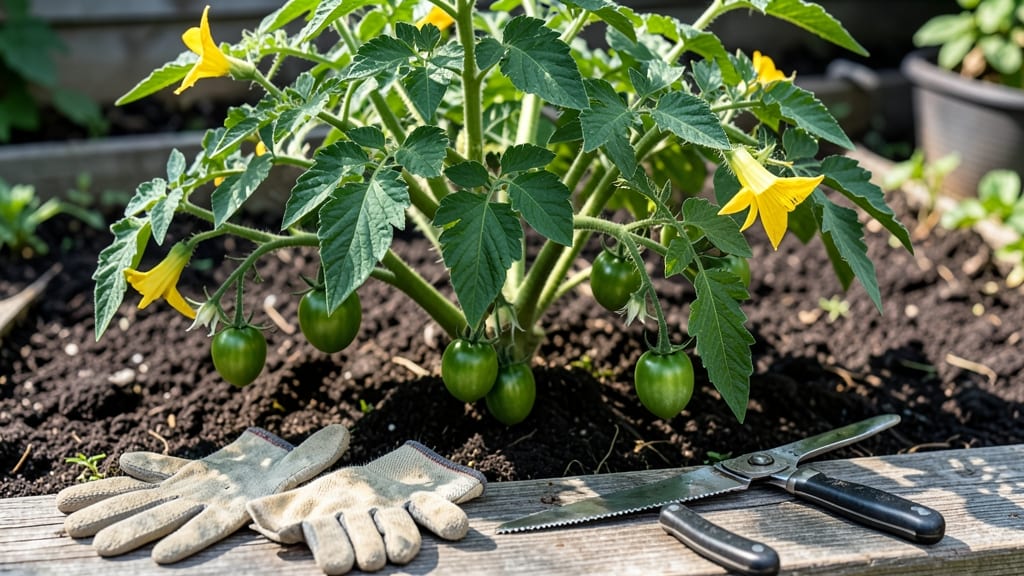
During the green tomato season, timing your harvest is everything—whether you’re chasing sweet red fruit or saving for salsa and fried green tomatoes.
If you’ve ever bitten into a green tomato and wondered whether it’s ready for harvest—or if you’re missing the boat on peak flavor—you’re not alone. The difference between a bland storage tomato and a flavor-packed harvest comes down to when you pick them.
In Zone 6a, where frost hits around mid-October, green tomatoes often ripen too late for the vine. Knowing the right moment to harvest ensures you get the best flavor and storage potential, whether you’re letting them ripen indoors or using them fresh.
Here’s how to read the signs, adjust for your climate, and maximize your harvest—so you never end up with a bushel of underripe tomatoes or a kitchen full of overripe ones.
When to harvest green tomatoes for best flavor and storage potential
Harvesting green tomatoes at the right moment ensures you capture their peak flavor potential or store them successfully for later ripening. Unlike ripe tomatoes, green tomatoes have a unique balance of acidity and sweetness that develops as they mature.
The key is understanding the ripening stages and how your climate zone affects timing.
Tomatoes transition from green to ripe through a process called ethylene production, where the plant naturally triggers ripening. However, if frost threatens before tomatoes fully ripen on the vine, harvesting green can be a strategic move.
The best time to harvest depends on whether you plan to eat them green, ripen them indoors, or store them long-term.
In cooler climates (Zones 3-5), green tomatoes often reach their harvest window 60-70 days after planting. Look for firmness and size—even if they’re still green, they’ll ripen better indoors than those left too long on the vine.
For warmer zones (Zones 6-10), you can wait longer, aiming for the breaker stage (when color starts changing).
If frost is forecasted within 1-2 weeks, harvest immediately—even if tomatoes are small. Green tomatoes store well at 55-60°F (13-15°C) and can ripen indoors over 2-4 weeks.
Use a paper bag trick: place tomatoes in a bag with a ripe banana or apple to speed up ethylene release. Check daily for soft spots or mold.
For heirloom varieties, timing matters more than size. Some, like Brandywine or Cherokee Purple, develop complex flavors when fully ripe. Others, such as Celebrity or Early Girl, are bred for early harvest and may be ready sooner.
Always check the seed packet for days-to-maturity estimates and adjust your harvest schedule accordingly.
Never harvest tomatoes when they’re overly soft or shriveled—these signs indicate blossom-end rot or disease. Instead, focus on color shifts, size consistency, and stem separation. A good rule of thumb: if the tomato detaches easily with a gentle twist, it’s ready, regardless of color.
This method works for both green and ripe tomatoes.
In Southern climates (Zones 8-10), you can often leave tomatoes on the vine until they fully ripen. However, if you’re growing late-season varieties, harvest at the turning stage (mostly colored with a green shoulder) to ensure you get some tomatoes before the heat of summer fades.
Store them in a cool, dark place to slow ripening and prevent sunburn.
For container-grown tomatoes, timing is even more critical. Since pots dry out faster, plants may stress and drop fruit if not harvested promptly. Check containers daily in hot weather—if tomatoes are small but firm, harvest them green.
They’ll ripen indoors just as well as larger ones, and you’ll avoid losing your entire crop to overripe or cracked fruit.
Remember, the best flavor comes from tomatoes that ripen on the vine, but don’t let perfectionism cost you your harvest. Even green tomatoes can be delicious when cooked or used in salsas, relishes, or sauces.
If you’re unsure, harvest a few to test—you’ll quickly learn what works best for your climate and variety.
How to store green tomatoes long-term: methods for ripening and preservation
Once you've harvested your green tomatoes during peak season, proper storage is key to unlocking their full potential. Whether you're aiming for ripe red tomatoes or preserving them for later use, understanding the right techniques can save your harvest from spoilage.
The good news? You don't need fancy equipment—just a few simple methods and a little patience to transform those firm green fruits into flavorful treasures.
Your storage choice depends on your goals: ripening for fresh eating, short-term fresh use, or long-term preservation. For example, I store some green tomatoes in my pantry to ripen naturally over weeks, while others get frozen or canned for winter meals.
Let's explore the best options based on your needs and timeline.
Step-by-Step Green Tomato Storage Guide
-
1. Short-Term Ripening (Countertop Method)
Place tomatoes in a single layer on a tray or plate in a warm, dry spot (65-75°F). Rotate daily for even exposure to air and light. -
2. Paper Bag Ripening Trick
Place 2-3 tomatoes in a paper bag with an apple or banana (ethylene producers). Seal loosely and store in a dark, warm place for 3-7 days. -
3. Refrigerator Storage (Short-Term)
Store unwashed tomatoes in a paper bag in the crisper drawer for up to 2 weeks. Remove before ripening to avoid cold damage. -
4. Long-Term Canning (Hot Water Bath)
Peel, slice, and pack tomatoes in sterilized jars with lemon juice (pH <4.6). Process in boiling water for 45-60 minutes (check altitude guidelines). -
5. Freezing for Later Use
Core, slice, and blanch tomatoes for 2 minutes. Cool quickly, drain, and freeze in airtight containers for up to 12 months. -
6. Fermenting (Lacto-Fermentation)
Slice tomatoes and pack tightly in a jar with 2% salt brine. Weigh down with a fermentation lid and store at 65-75°F for 5-7 days.
Pro Tip: Label all stored tomatoes with the date to track ripening progress.
For green tomatoes you plan to ripen, I recommend the paper bag method—it's my go-to for achieving that perfect balance of sweetness and acidity. The ethylene gas from the apple or banana speeds up ripening while preventing spoilage.
Just be sure to check them daily, as overripe tomatoes can ferment quickly in the enclosed space.
If you're dealing with a large harvest, consider dividing your tomatoes between ripening and preservation methods. For example, I typically ripen about 30% of my harvest for fresh use while canning or freezing the rest.
This gives me flexibility throughout the year—fresh tomatoes for salads in summer and preserved ones for winter soups.
Remember that green tomatoes store best at room temperature until they begin to ripen. Once they develop any color (yellow, orange, or red), move them to the refrigerator to slow further ripening. This two-step process helps maintain quality while extending your harvest's usability.
Don't let your green tomato harvest go to waste—with these methods, you can enjoy homegrown tomatoes well beyond their green tomato season. Whether you're aiming for ripe fruit or preserved goodness, proper storage makes all the difference. 🌱🍅