
Vegetables
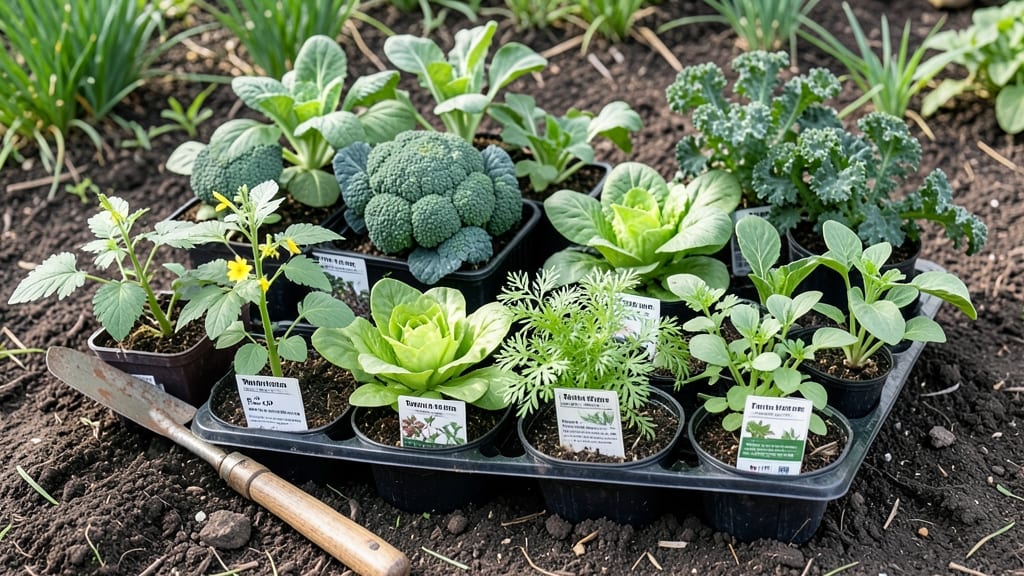
Planting vegetables in Maryland at the right time means the difference between a bountiful harvest and a sad pile of frost-killed seedlings.
Maryland’s unpredictable frost dates can make or break your garden—plant too early and risk losing crops, too late and miss peak harvests. Timing is everything, especially when frost-free zones range from late March in Southern Maryland to early May in the mountains.
Cool-season crops like lettuce and peas thrive in Maryland’s 6a-7b zones when planted 4-6 weeks before the last frost, while tomatoes and peppers need to wait until soil warms to 60°F after the last frost. Getting this right avoids wasted effort and maximizes your 🥕 harvest.
Below, I break down the exact planting windows by region, the best crops for each season, and how to stretch your growing season with simple tricks that work in Maryland’s climate.
Maryland frost-free dates by region: critical planting windows for vegetables
Maryland’s frost-free dates vary dramatically across its USDA zones 5a-7b, creating distinct planting windows for your vegetable garden. In Southern Maryland (Zone 7b), you might see frost-free conditions as early as late March, while Western Maryland (Zone 5a) often waits until early May.
These differences mean your spring planting for cool-season crops like kale or peas could start weeks earlier in the south than in the mountains.
For warm-season crops like tomatoes or peppers, timing is equally critical. Planting too soon risks cold damage, while waiting too long shortens your harvest window.
Maryland’s average last frost dates range from mid-April in the south to mid-May in the north, making soil temperature just as important as air temperature for seedling success.
Here’s how to navigate Maryland’s frost-free zones with confidence:
| Region | USDA Zone | Avg. Last Frost | Avg. First Frost | Cool-Season Planting | Warm-Season Planting |
|---|---|---|---|---|---|
| Southern Maryland | 7b | Mid-April | Mid-October | Feb 15–Mar 15 | Apr 15–May 1 |
| Baltimore/DC Suburbs | 6a-7a | Late April | Late October | Mar 1–Mar 30 | May 1–May 15 |
| Western Maryland | 5a-6a | Early May | Early October | Mar 15–Apr 15 | May 15–Jun 1 |
Notes: Adjust for microclimates (e.g., valleys frost later). Use row covers to extend cool-season windows.
In Southern Maryland (Zone 7b), start spinach or carrots as early as February under protective cover. By late March, you can plant lettuce and radishes directly in the soil. Meanwhile, Western Maryland gardeners should wait until mid-April for these same crops to avoid frost damage.
For warm-season vegetables, wait until after the last frost and when soil temperatures reach 60°F. In Southern Maryland, this typically means planting tomatoes or peppers by mid-April, while Western Maryland waits until mid-May.
Use a soil thermometer to confirm readiness—cool soil can stunt seedling growth even if air temperatures are warm.
Succession planting is key in Maryland’s shorter growing season. For example, bush beans can be sown every 2-3 weeks from May to July to ensure a continuous harvest. Similarly, zucchini and cucumbers thrive when planted after the last frost, but their vines need warm soil to germinate quickly.
Don’t forget about fall planting! Many cool-season crops like kale and broccoli can be sown as early as mid-August in Southern Maryland and early September in the mountains. These crops actually sweeten after a light frost, making them perfect for Maryland’s fall harvests.
If you’re unsure about your local frost dates, check the National Weather Service or use a frost calendar from your county extension office. These resources provide year-to-year variations that can shift planting windows by 1-2 weeks.
For example, a late frost in May 2023 in Baltimore delayed warm-season planting for many gardeners.
Pro tip: Use frost cloth or low tunnels to protect early plantings in cooler regions. This can extend your cool-season window by 3-4 weeks, giving you an earlier harvest of greens and
Best vegetables to plant in Maryland by season: cool vs. warm-season planting guide
Maryland’s diverse climate means you can grow vegetables year-round with the right timing. Cool-season crops thrive in spring and fall, while warm-season varieties need summer’s heat. Understanding these differences ensures a bountiful harvest without wasted effort or lost plants.
For Maryland gardeners, mastering seasonal planting means starting cool-season crops like spinach and kale in early spring or late summer. Meanwhile, tomatoes and peppers should wait until after the last frost—typically mid-April in Southern Maryland but early May in the mountains.
🌱 Maryland Seasonal Planting Guide
- 1. Spring (March-May): Plant cool-season crops like lettuce, peas, and broccoli 4-6 weeks before last frost (early March in Southern MD).
- 2. Summer (June-August): Transplant warm-season crops (tomatoes, peppers, cucumbers) after soil reaches 60°F—typically mid-May to June.
- 3. Fall (September-October): Sow cool-season crops again (spinach, kale, carrots) 8-10 weeks before first frost (late July-August).
- 4. Succession Planting: Extend harvests by sowing lettuce every 2 weeks in spring/fall or beans every 3 weeks in summer.
- 5. Heat-Tolerant Varieties: Choose Black Krim tomatoes or Malabar spinach for Maryland’s humid summers.
In spring, focus on leafy greens and root vegetables like carrots and radishes. These tolerate cooler temperatures and even light frosts. Succession planting every 2 weeks ensures a steady supply—perfect for salads and side dishes.
Summer is all about heat-loving crops. Tomatoes and peppers need full sun and consistent moisture, while cucumbers and squash thrive in Maryland’s humidity. Stake or cage vining plants early to prevent disease from crowded foliage.
Fall planting mirrors spring, but with hardier varieties. Kale and broccoli actually sweeten with frost, making them ideal for late-season harvests. Plant by mid-September to enjoy crops before winter sets in.
For Maryland’s shorter growing season, prioritize fast-maturing varieties like Bush Early Girl tomatoes (55 days) or Early Wonder beans (50 days). Use row covers in early spring or late fall to extend the season by 2-3 weeks.