
Plants
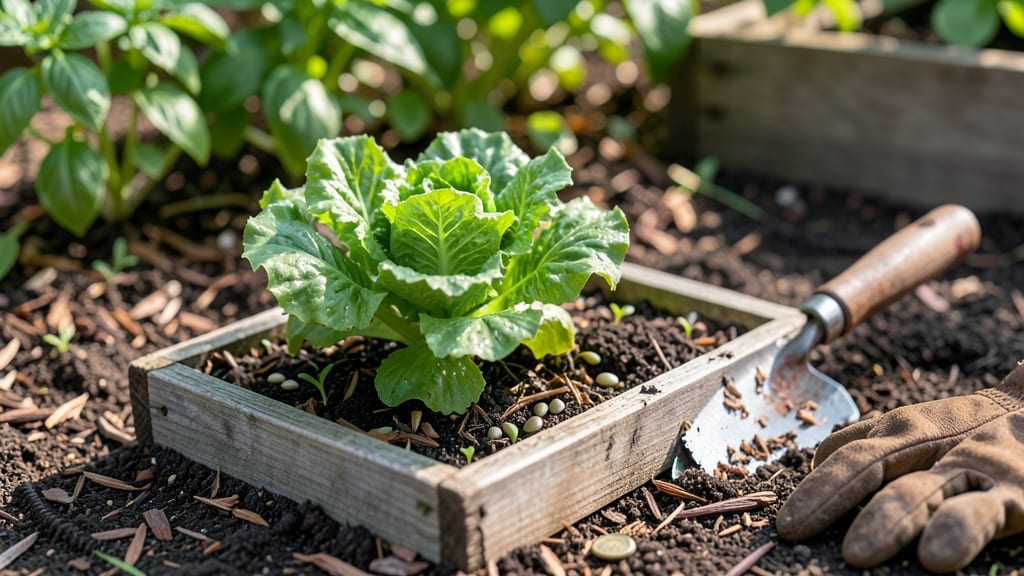
To plant lettuce in Oregon, aim for early spring or late summer when soil temperatures stay between 45°F and 85°F—any hotter, and your crisp 🥬 turns bitter before you can harvest.
Oregon’s mild but unpredictable climate can make timing your lettuce harvest tricky—plant too early, and frost ruins your crop; too late, and summer heat turns your tender leaves bitter. Mastering the perfect planting window ensures crisp, flavorful harvests all season long.
Most Oregon gardeners get two prime chances: March through May for spring crops and August to September for fall planting. Coastal areas like the Willamette Valley can start even earlier, while high-desert zones may need to wait until late April.
Below, I break down the exact frost-free dates by USDA zone, soil temperature tricks to avoid bolting, and how to stretch your harvest from spring through fall—no black thumb required.
Oregon lettuce planting calendar by hardiness Zone: exact dates to avoid frost damage
Timing is everything when growing lettuce in Oregon, where first frost dates vary dramatically between USDA Zone 7b (cooler coastal areas) and Zone 9a (warmer Willamette Valley). In my experience, planting too early risks frost damage, while waiting too late leads to bolting or bitter leaves.
The key is understanding your microclimate and soil temperature thresholds—typically 40°F (4°C) for germination and 60°F (15°C) for optimal growth.
Oregon’s spring planting window usually opens in late February to early March for Zone 9a, while Zone 7b gardeners should wait until mid-March to April.
For fall lettuce, I recommend starting seeds in late July to early August in all zones, with transplants going in by mid-August to ensure harvest before first frost.
The 14-21 day germination window for lettuce means precise timing is critical—miss it, and you’ll either lose seedlings to cold or watch them bolt in heat.
Here’s my comparison-table breaking down exact planting windows by zone, including soil temperature, transplant dates, and fall harvest timing to avoid frost damage:
| Zone | Spring Planting Window | Soil Temp (°F) | Transplant Dates | Fall Planting Window | First Frost Risk |
|---|---|---|---|---|---|
| 7b (Coastal) | Mid-March to April | 40-50°F | April 15-May 15 | Late July-August | Late October |
| 8a (Western Valleys) | Late February-March | 45-55°F | March 20-April 30 | Early July-August | Mid-November |
| 9a (Willamette Valley) | Late February-Early March | 50-60°F | March 10-April 15 | Mid-July-August | Late November |
For direct sowing, I recommend starting seeds indoors 4-6 weeks before your last frost date—typically mid-January to February for Zone 9a and late February to March for Zone 7b. Harden off seedlings for 7-10 days before transplanting to avoid shock.
In my garden, I’ve found that bolt-resistant varieties like Jericho or Black Seeded Simpson thrive when transplanted in cool spring soil (50-55°F), while heat-tolerant types like Romaine handle summer planting better.
If you’re aiming for a continuous harvest, plan for succession planting every 2-3 weeks after your initial transplant. In Zone 9a, I’ll make a final fall planting in early September for a winter harvest under row covers.
The trick is to time it so seedlings emerge when daytime temps stay above 50°F—any colder, and germination slows dramatically.
One common mistake I see is ignoring microclimates—like a south-facing slope warming faster than your garden’s average. Test your soil temperature with a soil thermometer before planting; lettuce roots struggle in cold, wet soil below 45°F (7°C).
For container growing, use black pots to absorb heat and extend the season by 2-3 weeks in spring or fall.
Remember, first frost dates are averages—always check your local Oregon State University Extension forecasts for real-time updates.
In my Zone 8a garden, I’ve had unexpected late frosts in early November, so I’ll often protect young plants with row covers or move potted lettuce to a garage or cold frame until danger passes.
For bolt-resistant varieties, prioritize slow-bolting types like Winter Density or Arctic King—they’ll give you crisp harvests even when temps flirt with 80°F (27°C). Pair them with drip irrigation to maintain even moisture, which is critical for tender leaf quality.
With the right timing, you can enjoy fresh lettuce from late spring to early fall
How to extend lettuce harvests in Oregon: succession planting and shade solutions
Oregon’s variable climate means lettuce can thrive year-round with the right strategies. While spring and fall are ideal, summer heat and winter frosts challenge continuous harvests. The key lies in succession planting and smart shade solutions to protect tender leaves.
By staggering plantings and using seasonal tools, you can enjoy crisp lettuce from early spring through late fall.
Start with early spring plantings (March-April) when soil temperatures reach 40°F. This gives you a head start before summer heat arrives. For fall harvests, begin late summer plantings (August-September) to take advantage of cooler temperatures.
The secret to success? Overlapping plantings every 2-3 weeks ensures a steady supply without gaps.
Here’s how to maximize your lettuce harvests using proven techniques:
For summer heat protection, I recommend shade cloth over lettuce beds when temperatures exceed 75°F. This simple tool prevents bolting and keeps leaves tender. Choose 30% shade cloth for partial sun areas and 50% for full sun.
Secure it with stakes or hoops to avoid direct contact with leaves, which can cause damage.
When fall temperatures drop, extend your harvest with cold frames or row covers. These create a microclimate that protects lettuce from light frosts (28-32°F).
For hardier varieties like 'Winter Density,' you can even harvest through December in sheltered areas. Always remove covers during the day to prevent overheating.
To create a continuous harvest system, follow this simple 3-step checklist: First, plant your first batch in early spring (March). Then, add new seeds every 2-3 weeks until July.
Finally, restart in August for fall harvests. This method ensures you always have mature lettuce ready for harvest without planting everything at once.
With these strategies, you’ll enjoy fresh, crisp lettuce from your garden for 8-10 months of the year. The key is adapting to Oregon’s microclimates—whether you’re in the coastal fog zone or Willamette Valley’s dry summers. Happy growing! 🥬