
Plants
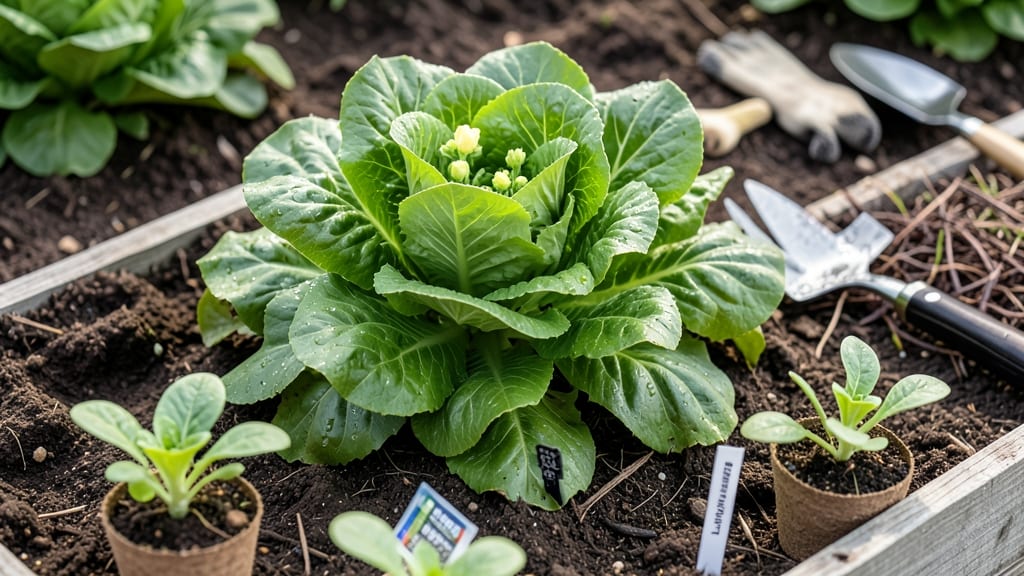
Planting lettuce in Kansas at the right time means the difference between crisp, homegrown salads and bolted, bitter leaves.
Kansas gardeners know timing is everything—plant too early, and frost will ruin your crop; too late, and summer heat turns your 🥬 leaves bitter. Master the perfect planting windows to enjoy crisp, homegrown lettuce all season long.
With USDA zones 5b-7a across the state, your best bet is to start lettuce 4-6 weeks before your last frost, usually in early March for most regions. But don’t stop there—successive plantings every 2-3 weeks through September keep your harvest going.
Below, I’ll break down the exact months to plant by region, how to avoid bolting in summer heat, and the one trick that extends your fall harvests—no matter where you garden in Kansas.
Best months to plant lettuce in Kansas by region
Kansas' diverse climate means your lettuce planting schedule should vary by region. In Kansas City (Zone 6a), cooler springs and hotter summers demand precise timing, while Wichita (Zone 7a) enjoys slightly longer growing seasons.
Western Kansas, like Garden City (Zone 6b), faces drier conditions and earlier frosts. Let's break down the ideal planting windows for each area to maximize your crisp, homegrown lettuce harvest.
For all Kansas regions, focus on cool-season varieties like butterhead and romaine, which thrive in 50-70°F temperatures. Leaf lettuces are more heat-tolerant but still prefer cooler weather.
The key is planting early spring and late summer crops to avoid bolting (premature flowering) during Kansas' intense summer heat. Let's explore the best months for each region.
In Kansas City, start your spring lettuce indoors in February or direct-sow in March for a May harvest. For fall crops, sow August-September to enjoy lettuce until October's first frost. Use shade cloth in summer to protect seedlings from intense sun and heat stress.
Wichita's Zone 7a climate allows for slightly later plantings. Begin spring sowing in late March and continue through May for a continuous harvest. For fall, plant July-August with heat-tolerant varieties like romaine to extend your season.
Wichita's longer growing season means you can push the limits with succession planting every 2-3 weeks.
Western Kansas gardeners face earlier frosts and drier conditions. Start spring lettuce indoors in February or direct-sow in early March for a May harvest. Focus on quick-maturing varieties like leaf lettuce to avoid summer heat. For fall, plant July-August with row covers to protect from early October frosts.
For all regions, butterhead lettuce thrives in cooler temperatures and is best planted in spring or fall. Romaine is more heat-tolerant and can handle summer plantings with shade. Leaf lettuce varieties like 'Salad Bowl' are perfect for succession planting every 2-3 weeks to ensure a continuous harvest.
Remember to harden off seedlings before transplanting and use mulch to retain moisture during Kansas' hot, dry summers. With these regional guidelines, you'll enjoy crisp, homegrown lettuce from spring through fall—no bitter bolting in sight! 🥬
How to extend lettuce harvests with succession planting
Succession planting is your secret weapon for enjoying fresh lettuce all season in Kansas. Instead of one big harvest followed by empty beds, this method lets you stagger plantings every 2-3 weeks.
This way, when one crop bolts from summer heat, another is just reaching maturity. For Kansas’ variable climate, this strategy ensures you beat both early frosts and scorching afternoons.
Start by choosing heat-tolerant varieties like 'Black Seeded Simpson' or 'Jericho' for summer plantings. These varieties handle Kansas’ 90°F+ days better than delicate butterheads. Pair them with shade cloth to block 30-50% of sunlight during peak heat (June-August).
This simple trick keeps your lettuce crisp instead of bitter or flowering prematurely.
Here’s how to plan your succession schedule for maximum yields:
Kansas ranges from April 10 (eastern KS) to April 20 (western KS). Plant your first batch 4-6 weeks before this date for spring harvests.
After your first planting, add new rows every 14-21 days until mid-July. This ensures continuous harvests through September.
Install 30% shade cloth over new plantings in June-July. Remove it by mid-August to harden off plants for fall harvests.
After your last summer harvest, amend soil with compost and plant cold-hardy varieties like 'Winter Density' by August 15 for fall/winter harvests.
Use floating row covers to protect late plantings from light frosts (down to 25°F). This lets you harvest into November in most of Kansas.
For fall harvests, focus on varieties like 'Arctic King' or 'Winter Density'—they thrive in Kansas’ cool nights and can handle light frosts. Plant these 6-8 weeks before your first frost (usually late August in eastern KS). Use mulch to insulate roots and keep soil temperatures stable.
Pro tip: Keep a planting journal to track what works best in your microclimate. Note which varieties bolt fastest and adjust your schedule accordingly. With succession planting, you’ll enjoy homegrown lettuce from May through November—no gaps, no waste!