
Vegetables
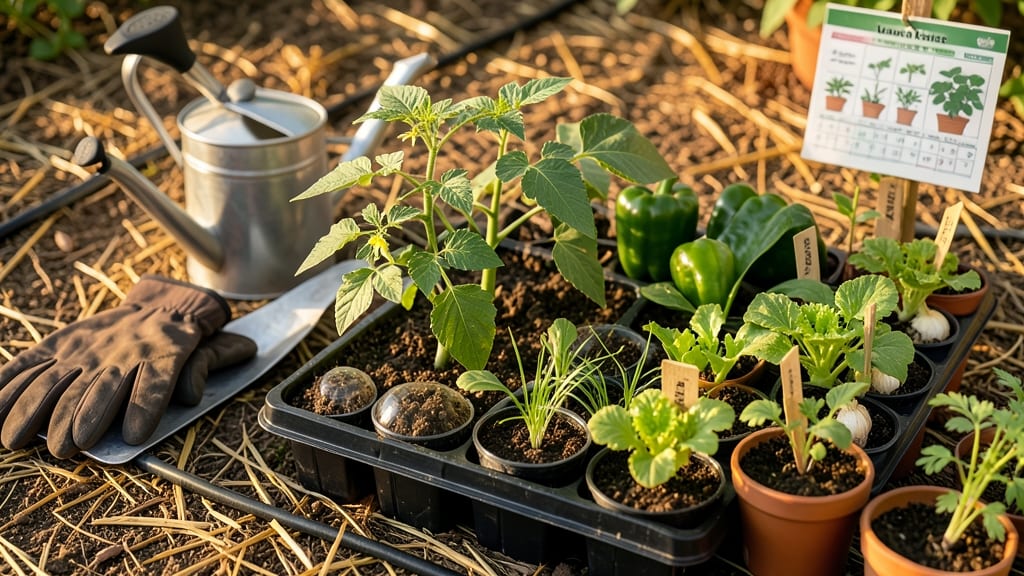
To plant vegetables in Kansas, aim for mid-April to early May for cool-season crops like lettuce and spinach, and wait until mid-May to June for warm-season varieties such as tomatoes and peppers.
Kansas gardeners know timing is everything—plant too early and risk frost damage, too late and miss peak harvests. Understanding the state’s frost dates and planting zones is the key to a thriving vegetable garden 🌱.
With USDA zones ranging from 5a to 7a, Kansas offers a diverse growing window, but the real secret lies in matching your crops to the 100-day frost-free period that defines each region.
Below, I’ll break down the exact frost dates by zone, share a month-by-month planting schedule, and reveal the three simple tricks to extend your harvest well into fall.
Kansas frost dates by region: when to start planting vegetables
Kansas spans USDA Planting Zones 5a through 7a, meaning frost dates vary dramatically from the northern panhandle to the southern border.
In Zone 5a (northwest), gardeners face late spring frosts as late as May 15, while Zone 7a (southeast) typically sees its last frost by April 15. These differences determine whether your tomatoes or peppers thrive—or wilt.
Understanding your local frost dates isn’t just about avoiding frost damage—it’s about maximizing your growing season. Cool-season crops like lettuce and spinach can handle light frosts, while warm-season crops like okra and sweet potatoes need consistent warmth.
Even a 5-day delay in planting can mean the difference between a bountiful harvest and a failed crop.
Below is a region-by-region breakdown of Kansas frost dates, including last spring frost, first fall frost, and ideal planting windows. Use this to plan your vegetable garden calendar with confidence—whether you’re in Wichita, Topeka, or Hays.
For cool-season crops like broccoli, kale, and carrots, start seeds indoors 4–6 weeks before your last frost date. In Zone 5a, that means early March sowing for a spring harvest, while Zone 7a gardeners can begin as early as January.
These crops often handle light frosts, so don’t rush to transplant—wait until soil temperatures hit <
Best vegetables to plant in Kansas by season: month-by-month guide
Kansas gardeners face a unique challenge with its variable climate and short growing seasons. But with the right planting schedule, you can enjoy fresh vegetables from spring greens to fall squash.
The key is matching each crop to its ideal planting window—whether it's cool-season or warm-season varieties.
For continuous harvests, I use succession planting—sowing seeds every 2-3 weeks for crops like lettuce and beans. This ensures you're always picking fresh produce instead of facing a glut all at once.
Let's break down the best vegetables to plant each month in Kansas, based on USDA Zones 5-7.
- March-April: Start cool-season crops indoors—lettuce, spinach, kale. Transplant onion sets and peas after last frost (typically mid-April).
- May: Plant warm-season staples like tomatoes, peppers, and cucumbers after soil reaches 60°F. Use row covers for early starts.
- June: Sow beans, corn, and squash. Begin succession planting of bush beans every 2 weeks for summer harvests.
- July-August: Plant fall greens like kale and broccoli for late-season harvests. Transplant cabbage in early July.
- September: Direct-sow turnips, radishes, and spinach for early fall harvests. Protect with frost cloth as temps drop.
My top 5 Kansas-friendly vegetables include tomatoes (plant after May 15), green beans (sow in May and July), lettuce (multiple spring and fall plantings), peppers (transplant in late May), and squash (direct-sow in June).
For succession planting, I prioritize fast-growing crops like radishes and bush beans.
Don’t forget soil prep! Amend beds with compost before planting and mulch to retain moisture. In western Kansas, where drought is common, drip irrigation saves water and extends harvests. For eastern Kansas, focus on well-draining soil to prevent waterlogging.
Pro tip: Use Kansas State University’s frost date maps to fine-tune your schedule. In Zone 5a, wait until May 10 for warm-season crops, while Zone 7a gardeners can plant 2 weeks earlier. Adjust based on microclimates—urban areas may warm faster than rural spots.
With this month-by-month guide, you’ll avoid frost damage and maximize your harvest potential. Happy planting! 🌱