
Vegetables
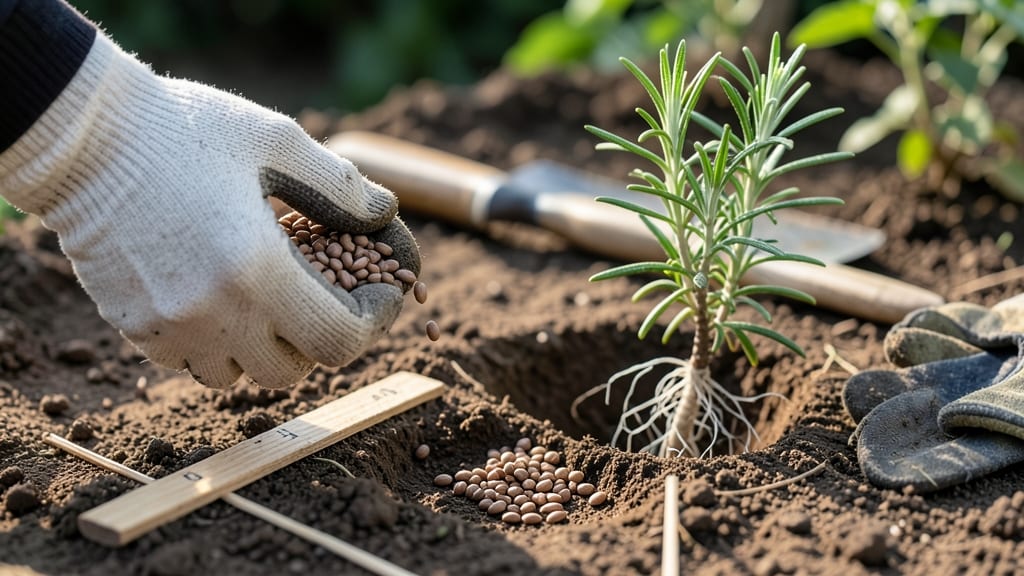
Planting 2-3 rosemary seeds per hole is the secret to lush, fragrant bushes that thrive instead of fight for space.
Struggling to grow rosemary that’s anything but scraggly? The answer might be in how you’re spacing those seeds. Too close, and you’ll end up with weak, overcrowded plants competing for sunlight. Too far apart, and you’ll waste garden real estate on plants that never reach their full potential.
Rosemary isn’t just another herb—it’s a Mediterranean powerhouse that rewards proper spacing with bushier growth and stronger aroma. Whether you’re starting from seed or transplanting cuttings, getting this right makes all the difference between a patchy herb garden and a thriving one.
In this guide, I’ll break down the exact spacing science, from hole depth to plant variety, so you can grow rosemary that’s healthy, fragrant, and ready for harvest all season long.
Optimal rosemary seed spacing for bushy growth: exact numbers and techniques
Rosemary thrives when planted with precision—too crowded, and your plants compete for nutrients; too sparse, and you waste garden space. The ideal rosemary seed spacing balances airflow, sunlight exposure, and root development. For most varieties, 2-3 seeds per hole is the golden rule, but depth and soil type play critical roles too.
Most gardeners overlook seed depth—planting too shallow risks drying out, while burying too deep suffocates germination. Aim for 0.5 inches deep in well-draining soil. Mediterranean climates (like California) tolerate closer spacing, while temperate zones (such as Zone 6a) need extra room for winter resilience.
Spacing measurements vary by variety: 6-12 inches apart for dwarf types, 12-18 inches for standard bushes, and 18-24 inches for upright varieties. This ensures mature plants don’t shade each other, maximizing aromatic yield and bushy growth.
🌱 Rosemary Seed Spacing Comparison
| Variety Type | Seeds Per Hole | Spacing (inches) | Depth (inches) | Climate Notes |
|---|---|---|---|---|
| Dwarf ('Prostratus') | 2 seeds | 6-10 | 0.5 | Mediterranean: 6"; Temperate: 10" |
| Standard ('Tuscan Blue') | 3 seeds | 12-18 | 0.5 | All climates: 12"; Cold zones: 18" |
| Upright ('Arp') | 2 seeds | 18-24 | 0.5 | Temperate: 24"; Mediterranean: 18" |
| Creeping ('Roseus') | 1 seed | 10-12 | 0.25 | Shallow soil; Mediterranean only |
For well-draining soil, I recommend adding sand or perlite to prevent root rot—a common issue with rosemary. In Mediterranean climates, closer spacing (6-10 inches) works because plants grow faster with abundant sunlight. In temperate zones, increase spacing to 12-24 inches to accommodate slower growth and winter dormancy.
After planting, mulch lightly with gravel or straw to retain moisture without suffocating roots. Avoid heavy mulch, which traps moisture and invites fungal diseases. Water deeply once per week for the first month, then reduce to every 10-14 days once established.
Thinning seedlings is critical—once they reach 2 inches tall, remove weaker plants to leave the strongest 6-12 inches apart. This step prevents overcrowding and ensures each plant gets enough sunlight and nutrients. Use sharp scissors to avoid disturbing roots.
Pro tip: Interplant rosemary with thyme or lavender to improve growth. These companions deter pests and share similar drought-tolerant needs. Avoid planting near basil or parsley, which compete for resources and slow rosemary’s woody development.
If you’re growing rosemary in containers, use 1-gallon pots per plant and space them 12 inches apart. Containers dry out faster, so monitor soil moisture closely. For vertical gardens, use upright varieties and space them 18 inches apart on trellises.
Remember: patience is key. Rosemary seeds take 2-4 weeks to germinate, and full maturity requires 1-2 years. Proper spacing now ensures bushy, fragrant plants for years to come. 🌿
Common mistakes that kill rosemary growth (and how to fix them)
Rosemary thrives when given the right conditions, but even small planting errors can stunt its growth or kill it entirely. Overcrowding is the #1 culprit—too many seeds in one hole compete for nutrients, leading to weak, leggy plants.
I’ve seen gardeners accidentally smother their rosemary by packing 4-5 seeds per hole, thinking more equals better.
Another silent killer is planting seeds too deep. Rosemary seeds need light to germinate, so burying them deeper than 0.5 inches can suffocate them. I once planted mine 1 inch deep and waited weeks for sprouts—only to realize the seeds had rotted instead of growing.
Poor soil drainage is equally deadly. Rosemary hates soggy roots, yet many gardeners plant it in heavy clay without amending the soil. If your rosemary’s leaves turn yellow or drop off, compacting soil during planting might be the issue.
Never plant more than 2-3 rosemary seeds per hole. This ensures at least one strong seedling survives while preventing overcrowding. If you’re unsure which seeds sprouted, thin to the strongest seedling once they’re 2 inches tall.
Pro Tip: Use a seedling tray first to germinate seeds indoors, then transplant the strongest ones outdoors with 18-24 inches between plants.
Transplant shock is another common issue when moving rosemary seedlings. I’ve learned the hard way that digging up established seedlings without proper care can stress the plant. Always water the soil 24 hours before transplanting and avoid moving plants during extreme heat or cold.
To fix overcrowding, gently separate seedlings and replant them with proper spacing. If your rosemary is already stunted, prune back 1/3 of the growth to encourage bushier regrowth. Mulch around the base with gravel or pine needles to improve drainage and retain moisture.
For future plantings, test your soil’s drainage by digging a hole and filling it with water. If it doesn’t drain within 30 minutes, amend with sand or perlite before planting. Rosemary rewards patience—with the right spacing and care, you’ll enjoy fragrant, bushy plants for years.