
How To
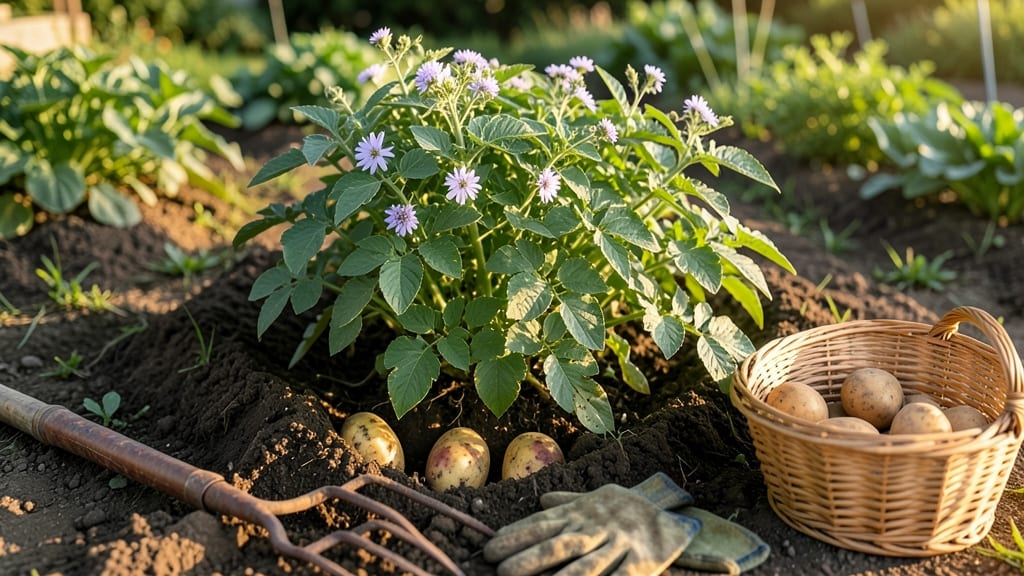
One potato plant can produce anywhere from 5 to 20 tubers, depending on the variety and growing conditions — but most gardeners see 10-15 potatoes per hill when they follow the right steps.
Picture this: you’re digging up a golden harvest of crisp Yukon Golds or deep-red Pontiacs, each one bigger than your thumb. That’s the dream, but it only happens when you know the secrets behind the numbers.
Too many gardeners plant their seed potatoes and cross their fingers, only to end up with a handful of small tubers instead of a bucketful.
What you’re really asking isn’t just "how many," but "how can I get the most?" The answer lies in the variety you choose, the soil you grow them in, and the little tricks—like hilling and spacing—that turn a good harvest into an exceptional one.
Below, I’ll break down the exact yields for popular potatoes, the factors that make or break your harvest, and the pro tips that could double what you bring in.
Ready to go from a few sad spuds to a bountiful harvest? Let’s dig into the numbers and the strategies that separate the average gardeners from the ones who fill their pantries—and their neighbors’—with homegrown potatoes.
Potato yield by variety: how many tubers to expect per plant
If you're dreaming of a bumper crop of potatoes, the first question is always: how many potatoes does one plant produce? The answer varies wildly by variety, from just 3-5 tubers for compact types to 10-20+ potatoes from high-yielding plants.
Understanding these differences helps you plan your garden layout and set realistic harvest expectations.
Potato yields depend on genetic traits, growth habits, and whether the variety is bred for early harvests or maximum tuber production. Early-season varieties like Red Norland prioritize speed over size, while late-season types like Russet Burbank invest energy in larger yields.
Below, we break down what to expect from popular varieties in ideal growing conditions.
| Variety | Tubers per Plant | Tuber Size | Days to Maturity | Growth Habit |
|---|---|---|---|---|
| Russet Potatoes | 8-15 | Large (6-12 oz each) | 90-120 days | Bushy, late-season |
| Yukon Gold | 6-12 | Medium (4-8 oz each) | 70-90 days | Medium, versatile |
| Red Pontiac | 10-18 | Small-medium (3-6 oz each) | 60-80 days | Early, prolific |
| Fingerling Potatoes | 15-30+ | Small (1-3 oz each) | 70-100 days | Compact, branching |
| New Potato Varieties (e.g., 'Red LaSoda') | 5-10 | Tiny (1-2 oz each) | 50-70 days | Early, tender |
| Purple Majesty | 8-14 | Medium (5-8 oz each) | 80-100 days | Late, unique color |
Notice how fingerling varieties produce the most individual tubers but each one is small, while Russet potatoes yield fewer but larger spuds. This trade-off is crucial when planning your garden.
For example, if you need 10 pounds of potatoes, you'd need about 5 Russet plants but 20 fingerlings to hit the same weight target.
Early-season varieties like Red Pontiac or Yukon Gold are ideal if you're short on time or space, as they mature faster and still deliver strong yields. In contrast, late-season varieties like Russets reward patience with bigger individual tubers, making them perfect for storage and baking.
One plant of Yukon Gold might give you 6-12 potatoes, but if you plant 10 plants in a 4x4-foot raised bed, you could harvest 60-120 potatoes—enough for a family of four for months!
The key is spacing: give each plant 12-18 inches of space to prevent competition for nutrients, which directly impacts yield.
For maximum yield per plant, focus on late-season varieties like Kennebec or Russet Burbank, which can produce 15+ tubers under ideal conditions. These varieties thrive in cooler climates and benefit from hilling soil around the stems to encourage more tuber formation underground.
If you're growing new potatoes for early harvests, varieties like Red LaSoda or Adirondack Blue produce 5-10 tiny tubers in just 60 days. These are perfect for quick snacks but won’t replace larger varieties for long-term storage.
The secret to their success? Harvesting before the plant flowers to keep the tubers small and tender.
Pro tip: Fingerling potatoes are the yield champions for quantity, often producing 15-30+ tubers per plant. Their unique shapes and flavors make them a favorite for gourmet dishes, and their compact growth habit makes them ideal for small gardens or containers. Just be prepared
5 Key factors that dramatically affect potato yield per plant
Potatoes are one of the most rewarding crops to grow, but their yield depends heavily on five critical factors. Whether you're growing Russet potatoes for baking or fingerlings for salads, optimizing these conditions can turn a modest harvest into a bountiful one.
Let's break down what truly makes the difference between a few spuds and a bucketful of potatoes.
First, the soil type you plant in plays a massive role. Potatoes thrive in loose, well-draining soil with a slightly acidic pH (5.0-6.5). Heavy clay soils can stunt growth, while sandy soils may not retain enough moisture.
Amending your soil with compost or aged manure before planting ensures your tubers develop freely without restrictions.
🌱 How Many Potatoes Can You Expect?
- 1. Soil Quality: Poor soil = 3-5 potatoes per plant. Rich, loose soil = 10-15 potatoes per plant.
- 2. Sunlight: Less than 6 hours = 5-8 potatoes. Full sun (8+ hours) = 15-20 potatoes.
- 3. Watering: Inconsistent water = 6-10 potatoes. Consistent moisture = 12-18 potatoes.
- 4. Spacing: Crowded plants = 4-6 potatoes. Proper spacing (12-18 inches) = 10-25 potatoes.
- 5. Climate: Cool seasons = 8-12 potatoes. Ideal growing zones (5-8) = 15-30 potatoes.
Next, sunlight exposure is non-negotiable. Potatoes need at least 6 hours of direct sunlight daily, but they perform best with 8+ hours. Insufficient light leads to weak stems, fewer tubers, and smaller potatoes.
If you're growing in containers or partial shade, prioritize high-yielding varieties like Yukon Gold or Red Pontiac, which tolerate slightly less light better than others.
Watering frequency is another game-changer. Potatoes need consistent moisture, especially during tuber formation. Water deeply 1-2 inches per week, but avoid waterlogging, which can cause rot. Drip irrigation or soaker hoses work best, delivering water directly to the roots without wetting the foliage—this reduces fungal diseases like blight.
Mulching with straw helps retain moisture and keeps the soil cool.
Proper spacing between plants is often overlooked but critical. Crowded potatoes compete for nutrients, leading to smaller yields. Space plants 12-18 inches apart in rows that are 24-36 inches apart.
This gives tubers room to expand and reduces disease spread. If you're growing in containers, use 1-2 plants per 5-gallon bucket to prevent overcrowding.
Finally, your climate zone influences yield potential. Potatoes thrive in USDA zones 3-8, but cooler climates (zones 3-5) often produce higher-quality tubers with fewer diseases. In warmer zones (7-8), focus on early-maturing varieties like New Potatoes or Kennebec to avoid heat stress.
Planting in spring or early fall ensures optimal growing conditions.
By mastering these five key factors, you can transform your potato harvest from a few scattered tubers to a bountiful crop. Start with the right soil, give them plenty of sun, water wisely, space them properly, and choose varieties suited to your climate.
Your future harvest will thank you! 🥔