
Vegetables
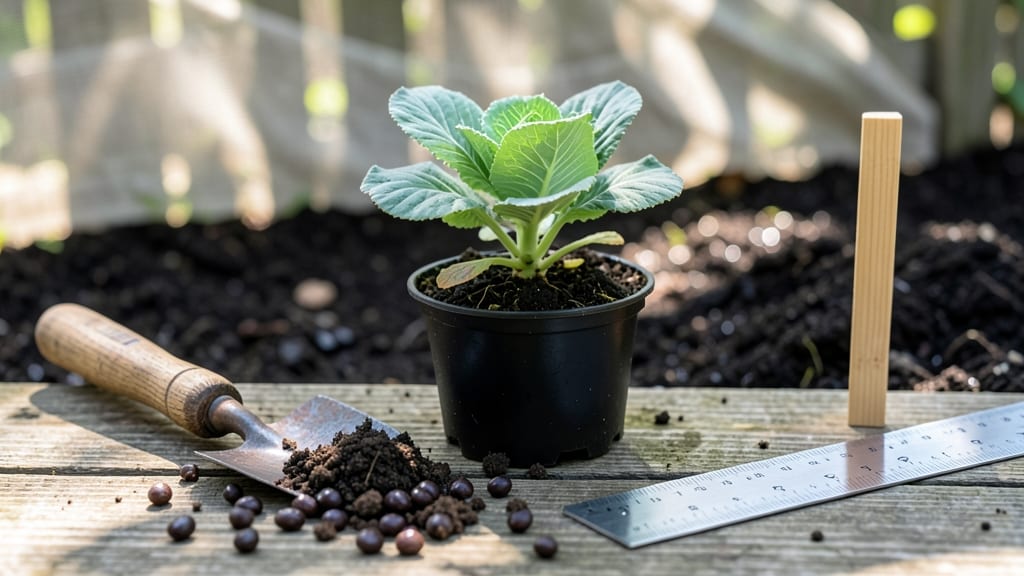
Planting 2-3 cabbage seeds per hole is the golden rule for strong, healthy 🥬 plants—any more risks overcrowding, and fewer wastes seeds.
If you’ve ever watched your cabbage seedlings compete for space, you know how quickly they can turn from lush and green to stunted and pale. The key isn’t just how many seeds you drop; it’s how you space them for airflow and root room.
In Zone 6a, where spring planting kicks off in March, proper spacing means fewer pests, faster growth, and bigger heads. Too close, and you’ll fight cabbage worms before the harvest even begins.
Here’s how to get it right: depth, thinning tricks, and when to transplant for maximum yield—no guesswork, just science-backed spacing secrets.
Optimal cabbage seed spacing: how many seeds per hole for maximum yield
Getting the right cabbage seed spacing starts with understanding your specific variety. Not all cabbages grow the same—head cabbage needs more room than bok choy, and Brussels sprouts have their own spacing rules. The key is balancing seed quantity per hole with future plant size to avoid competition.
Too close, and you’ll end up with stunted heads; too far, and you waste garden space. Let’s break it down by variety and planting method.
For direct sowing, most gardeners plant 2-3 seeds per hole to ensure at least one strong seedling emerges. This method works well for bok choy and smaller varieties like ‘Golden Acre.’
However, larger head cabbage varieties (like ‘Green Tower’) often require 1 seed per hole when transplanting, since they need 18-24 inches of space to develop properly. The right spacing ensures each plant gets enough nutrients, sunlight, and airflow.
Brussels sprouts are the outliers—they need 30-36 inches apart at maturity, so you’ll typically plant just 1 seed per hole and thin later. Their long growing season (often 100+ days) means you can’t afford to crowd them. Meanwhile, bok choy and other quick-maturing varieties can handle 2 seeds per hole since they’re harvested in 30-50 days, leaving less time for competition issues.
Here’s a quick reference for seed quantity per hole by variety and method:
| Variety | Planting Method | Seeds Per Hole | Mature Spacing | Notes |
|---|---|---|---|---|
| Head Cabbage (e.g., 'Green Tower') | Direct Sowing | 2-3 | 18-24" | Thin to 1 strong seedling |
| Head Cabbage (e.g., 'Green Tower') | Transplanting | 1 | 18-24" | Best for larger varieties |
| Bok Choy (e.g., 'Toy Choy') | Direct Sowing | 2-3 | 8-12" | Harvest in 30-50 days |
| Brussels Sprouts (e.g., 'Long Island Improved') | Direct Sowing | 1 | 30-36" | Long season; needs space |
| Savoy Cabbage (e.g., 'Golden Acre') | Direct Sowing | 2 | 18-24" | Crinkled leaves need airflow |
The depth of planting also matters—aim for ½ inch deep for most cabbage seeds. Planting too shallow risks drying out, while going too deep can delay germination. After sowing, gently firm the soil to ensure good seed-to-soil contact.
For direct sowing, mark rows with a string and stakes to maintain 2-3 feet between rows, giving plants room to spread.
If you’re transplanting seedlings (common for head cabbage), space them 12-18 inches apart at first, then thin to 18-24 inches as they mature. This two-step approach prevents overcrowding while giving you flexibility.
For container growing, use 5-gallon pots for one head cabbage plant, ensuring the pot has drainage holes to avoid root rot.
Climate plays a role too. In cooler regions (USDA Zones 3-5), plant seeds 4-6 weeks before last frost for a head start. In warmer zones (Zones 6-10), opt for fall planting to avoid bolting (premature flowering).
Always choose a sunny spot with 6+ hours of light—cabbage won’t tolerate shade, and poor sunlight leads to leggy, weak plants.
Pro tip: Use row covers or mulch to retain moisture and suppress weeds, which compete with cabbage for nutrients. Avoid over-fertilizing with nitrogen—it promotes leafy growth over head formation. Instead, use a balanced 10-10-10 fertilizer every 4-6 weeks during the growing season.
Water deeply in the morning to prevent fungal diseases like downy mildew, which thrives in damp leaves.
Remember, thinning is non-negotiable. Once seedlings have 2-3 true leaves (about 3-4 weeks after sowing), snip the weakest stems at soil level. Use scissors for a clean cut to avoid damaging roots. Repurpose thinned seedlings into salads or microgreens—nothing goes to waste in a well-planned garden!
With the right seed spacing and care, your cabbage plants will reward you with firm, heavy heads ready for harvest. Whether you’re growing crunchy green cabbage or sweet bok choy, precision in planting sets the stage for success. Happy gardening! 🥬
Common cabbage planting mistakes that waste seeds and stunt growth
Even experienced gardeners accidentally sabotage their cabbage crops by making simple planting mistakes. One of the most common errors is planting too many seeds per hole—a habit that leads to overcrowding, weak stems, and disease-prone foliage.
When seedlings compete for nutrients and sunlight, they produce small, misshapen heads instead of the plump, flavorful cabbages you’re after.
Another frequent blunder is planting seeds too shallow or too deep. Cabbage seeds need consistent moisture to germinate, but if buried deeper than ½ inch, they may rot before sprouting. Conversely, shallow planting exposes them to drying out or being washed away.
Even the spacing between holes matters—too close, and your plants will smother each other; too far, and you’ll waste garden space.
⚠️ How Many Cabbage Seeds Per Hole?
Most gardeners make the mistake of planting 2-3 seeds per hole—but this often leads to wasted seeds. Here’s the fix:
- Head cabbage: Plant 1 seed per hole (thin to strongest seedling).
- Bok choy/leaf cabbage: 2 seeds per hole (thin to 1-2 plants).
- Brussels sprouts: 1 seed per hole (they need more space).
Pro tip: Use a seed spacing marker to avoid guesswork!
Poor hole depth is another silent growth killer. Cabbage seeds should sit ½ inch below soil, with the hole’s depth matching the seed’s size.
If you’re using transplants instead of direct sowing, dig holes deep enough to cover the roots but not bury the stem—this prevents rot and encourages strong root development.
Spacing errors extend beyond seed quantity. Many gardeners ignore the mature plant size when planning rows. Compact varieties like ‘Golden Acre’ need 12-18 inches apart, while sprawling types like ‘January King’ require 24+ inches.
Crowding invites fungal diseases (like clubroot) and attracts pests like cabbage worms, which thrive in dense foliage.
Seasonal timing also plays a role. Planting cabbage seeds too early in cool, wet springs can lead to rot, while late planting in hot summers causes bolting (premature flowering).
Aim for 4-6 weeks before your last frost date, and adjust spacing if you’re growing in containers or raised beds—these require tighter spacing but better drainage.
Fix these mistakes by starting with 1-2 seeds per hole, thinning carefully, and spacing rows 2-3 feet apart. Monitor your plants weekly—if you see yellowing leaves or stunted growth, it’s a sign they’re competing for resources.
With the right spacing, your cabbage will grow bold, disease-resistant heads instead of struggling for survival.