
Plants
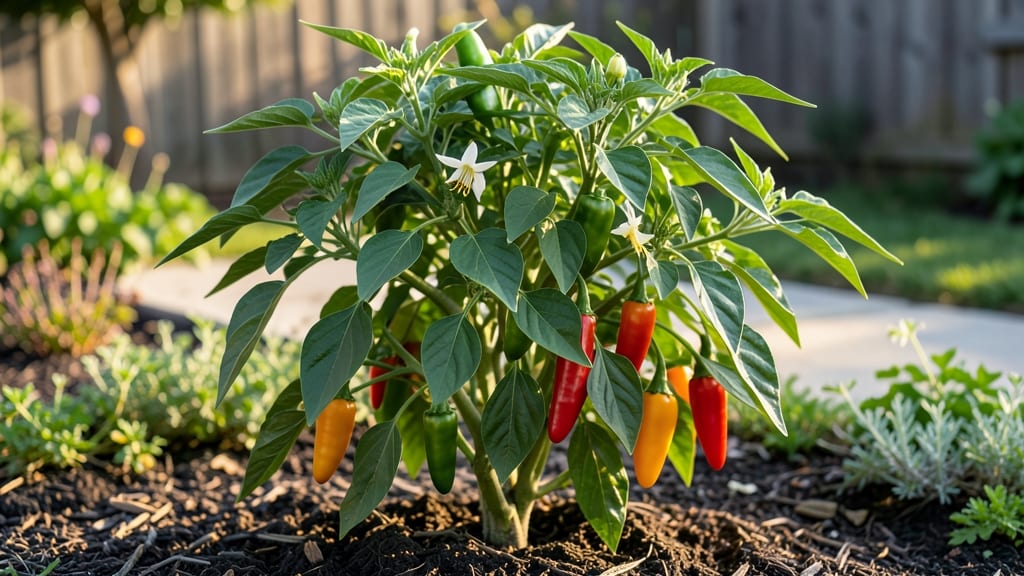
How tall do Anaheim pepper plants grow? They typically reach heights of 2 to 4 feet, depending on the variety and growing conditions, making them a manageable fit for most home gardens.
If you're planning to grow Anaheim peppers—whether for salsa, stuffing, or fresh eating—understanding their mature height is key to maximizing your garden space and yield. These versatile peppers can range from compact bush varieties to towering vines, but their growth habits often surprise even experienced gardeners.
Most gardeners find that standard Anaheim varieties typically reach 3 feet by harvest time, while some heirloom or long varieties can stretch toward 4 feet. This height makes them ideal for both in-ground planting and container growing, as long as you provide the right support.
In this guide, I’ll break down the exact heights by variety, share tips for managing plant size, and help you avoid common mistakes that can stunt growth.
Whether you’re working with limited space or aiming for a bountiful harvest, you’ll learn how to keep your 🌶️ Anaheim peppers thriving at the perfect height.


Anaheim pepper plant heights by variety: exact measurements and growth habits
When planning your garden layout, knowing how tall Anaheim pepper plants grow helps you decide between containers, raised beds, or in-ground planting. These peppers come in surprising diversity—some stay compact while others climb like vines.
The standard Anaheim variety typically reaches 3–4 feet tall, but heirloom and long varieties can exceed 4 feet if left unpruned. Understanding these differences ensures you allocate space wisely for optimal fruit production.
Growth habits vary dramatically between bush-type and vining varieties. Bush types like 'Mini Anaheim' stay under 2 feet and spread wider, making them ideal for containers or small gardens.
In contrast, vining varieties like 'Long Slim Anaheim' can grow 5+ feet tall if given support, requiring trellises or cages. This structural difference directly impacts your garden’s vertical space planning.
| Variety | Average Height | Spread | Growth Habit | Best For |
|---|---|---|---|---|
| Standard Anaheim | 3–4 ft | 2–3 ft | Bush | In-ground gardens, containers |
| Mini Anaheim | 1.5–2.5 ft | 1–2 ft | Compact bush | Containers, small spaces |
| Long Slim Anaheim | 4–5+ ft | 2–3 ft | Vining | Trellises, vertical gardens |
| Heirloom Anaheim | 3.5–5 ft | 3–4 ft | Semi-vining | Large gardens, trellis support |
The Mini Anaheim variety is perfect for container gardening or urban balconies, thanks to its 1.5–2.5 foot height. These peppers thrive in 5-gallon pots and produce 3–5 inch peppers ideal for stuffing or pickling.
Their compact size also makes them easier to protect from pests like aphids or hornworms, which can be more challenging in taller plants.
For vertical gardening, the Long Slim Anaheim variety shines. Without support, these plants can reach 5+ feet tall, but training them on a trellis or cage saves space and improves air circulation.
This reduces disease risk and makes harvesting easier. I’ve seen these varieties produce 6–8 foot vines in optimal conditions, though they rarely need that much space with proper pruning.
Heirloom Anaheim varieties often blend characteristics of both bush and vining types, resulting in 3.5–5 foot plants with a 3–4 foot spread. These are best suited for larger garden plots or areas where you can dedicate a 2–3 foot diameter per plant.
Their larger foliage also provides shade for soil, reducing moisture loss—a key advantage in hot climates like USDA Zone 9 or 10.
If you’re growing Anaheim peppers in raised beds, plan for 18–24 inches of spacing between bush varieties and 24–36 inches for vining types. Overcrowding leads to stunted growth and increased competition for nutrients, which directly impacts pepper production.
I once planted Mini Anaheims too closely in a raised bed, and their heights dropped to just 1.5 feet due to poor air flow.
Another factor affecting height is pruning habits. Regularly pinching back side shoots encourages taller, more upright growth, while leaving branches unpruned promotes bushier, wider plants. For container-grown Anaheims, I recommend light pruning to maintain a 2–3 foot height and prevent top-heavy plants from tipping over.
Climate also plays a role in height variations. In cooler climates (Zones 7–8), Anaheim peppers may stay shorter (2–3 feet) due to slower growth rates. Conversely, in hot, sunny zones (Zones 9–11), they can grow 4–5 feet tall if given ample water and nutrients.
Always monitor your plants’ growth patterns and adjust support structures accordingly.
For first-time growers, I recommend starting with Standard Anaheim varieties—they’re the most forgiving in terms of height management and yield. Their 3–4 foot height fits neatly into most garden layouts, whether in-ground or in containers. Plus, their moderate spread makes them easier to manage than vining types.
Understanding these height variations helps you choose the right variety for your space and goals. Whether you’re aiming for container gardening, <
How to control Anaheim pepper plant height: pruning, support, and spacing tips
Once you understand Anaheim pepper height variations, the next step is managing their growth to fit your garden layout. These plants typically reach 2–4 feet tall, but with the right techniques, you can encourage vertical growth for space efficiency or keep them compact for containers.
The key lies in pruning, support systems, and proper spacing—all of which directly impact plant structure and yield.
If you’re growing Anaheim peppers in a small garden or balcony, compact growth is ideal. For larger spaces, training them vertically saves room and improves airflow, reducing disease risk.
My experience shows that pruning at the right time and providing sturdy support can transform a sprawling plant into a neat, productive vertical garden feature.
Start with pruning to control height and shape. For bushier plants, pinch off the main stem tip when the plant reaches 12–18 inches tall. This forces energy into side branches, creating a fuller, more compact plant.
If you prefer taller plants, avoid heavy pruning and let the main stem grow—just remove any suckers (side shoots) to maintain a single strong stem.
Support is critical for vertical growth. Use trellises, cages, or stakes to guide the plant upward. I recommend bamboo stakes or tomato cages for smaller varieties, while heavy-duty trellises work best for taller, indeterminate types.
Secure the plant loosely with soft ties to avoid damaging the stems as they grow.
Spacing plays a huge role in height control. For bush varieties, plant 18–24 inches apart in rows spaced 2–3 feet apart. This prevents overcrowding, which can stunt growth and spread diseases.
If growing vertically, space plants 12–18 inches apart to allow airflow and easy access for pruning. Overcrowding leads to shorter, weaker plants with fewer peppers.
Finally, monitor your plants regularly. Remove any yellowing leaves or dead foliage to redirect energy to fruit production. In containers, choose pots at least 12 inches deep and 18 inches wide to accommodate root growth.
With the right balance of pruning, support, and spacing, you’ll maximize yield while keeping your Anaheim peppers at your desired height. 🌿