
Vegetables
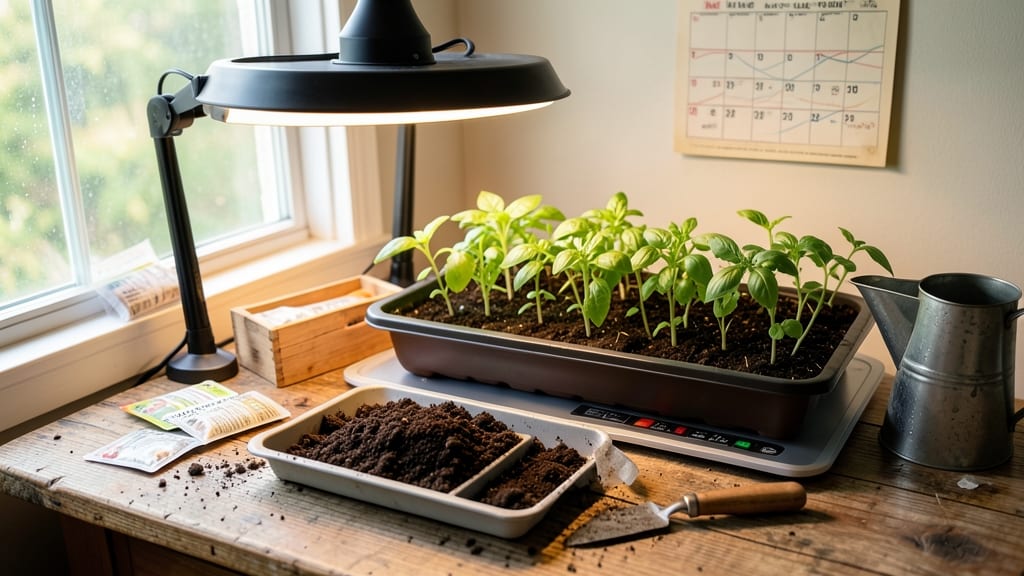
Starting vegetable seeds at the right time ensures healthy plants and a bountiful harvest—whether you're growing tomatoes, peppers, or leafy greens, timing is everything.
Get it wrong, and you’ll end up with leggy seedlings that flop when transplanted or crops that mature too late in the season. I’ve seen both happen, and trust me, you don’t want to repeat those mistakes.
This guide breaks down the exact 2024 timeline for starting seeds indoors, tailored to your plant type and local frost dates. No more guesswork—just clear, actionable steps to get your garden off to the best start.
You’ll learn how to adjust for early, mid-season, or late harvests, plus 5 common pitfalls that derail even the most well-intentioned gardeners. Let’s make this your most successful growing season yet!
2024 Indoor seed starting timeline by plant type (exact weeks before last frost)
Starting vegetable seeds indoors at the right time ensures your garden thrives, not just survives. Leggy seedlings or overgrown transplants often come from misjudging this critical window. The key? Understanding each plant's maturity timeline and your local frost date.
For example, tomatoes need 8-10 weeks indoors before transplanting, while leafy greens like lettuce can go straight from seed to soil in just 3-4 weeks.
Your last frost date is the anchor for this schedule. In USDA Zone 5 (average last frost: May 15), you'd start tomatoes 8-10 weeks earlier (early March), but in Zone 10 (no frost), you might direct-sow peppers in February.
Always check your seed packet for days-to-maturity—this tells you when to begin counting backward.
Regional adjustments matter. Early frost zones (like Zone 3) may need to start seeds 6-8 weeks earlier than Zone 7. Meanwhile, high-altitude gardens (e.g., Denver) often have 2-3 weeks shorter growing seasons than sea-level areas.
Use a heat mat for cold-sensitive plants like eggplants to shave off extra time.
Now, let’s break down the exact weeks before last frost for your most popular vegetables. This plant-by-plant guide covers everything from slow growers (like artichokes) to fast sprouts (such as radishes). Bookmark this for your 2024 garden planning—it’s your roadmap to success!
For tomatoes and peppers, timing is everything.
These warm-season crops need a long growing season, so starting them 8-12 weeks before last frost ensures they mature before cooler weather sets in. Pro tip: Use a grow light if your windowsill doesn’t get enough sun—14-16 hours of light per day prevents leggy growth.
If you’re in a short-season zone (like Zone 4
How to adjust your seed starting schedule for your exact location
Your local frost dates are the foundation of your seed-starting schedule, but they’re not one-size-fits-all. Urban areas often experience microclimates that can delay frost by 1-2 weeks compared to rural zones just miles away.
For example, a concrete jungle might stay warmer at night, while high-altitude gardens face earlier frosts. Start by checking your USDA Hardiness Zone and then fine-tune with local weather records.
Seed packets provide a general guideline, but they’re based on average conditions. If your last frost date falls on April 15th (like in Zone 6), but you’re in a high-altitude valley, you might need to start seeds 2-3 weeks earlier.
Conversely, if you’re near a large body of water, your growing season could extend by 10-14 days. Always verify with your local cooperative extension service for hyper-local data.
⚠️ callout-warning
⚠️ Warning: Seed Packet Dates Aren’t Set in Stone
Most seed packets suggest starting seeds 6-8 weeks before your last frost date, but this is a one-size-fits-most approach. For slow growers like tomatoes, you might need 8-10 weeks of indoor time, while fast-sprouting lettuce can wait until 4-6 weeks out. Adjust based on your plant’s maturity days and your local growing season length.
💡 Pro Tip: Use a heat mat for faster germination—it can shave 3-5 days off your timeline.
Urban gardeners often face heat island effects, where pavement and buildings trap warmth. This can push your last frost date back by 1-2 weeks. Test your microclimate by monitoring nighttime temperatures for a week in early spring.
If your urban garden stays above 32°F (0°C) consistently, you can safely delay starting seeds by 7-10 days compared to rural areas.
For high-altitude gardens (above 5,000 feet), the rules change dramatically. Cooler temperatures slow germination, so start seeds 4-6 weeks earlier than the packet suggests. Use grow lights to supplement weak sunlight, and consider a seedling heat mat to maintain soil temps between 70-80°F (21-27°C).
In my Zone 5 mountain garden, I start peppers 12 weeks early with under-grow lights to ensure they mature before the first frost.
Don’t overlook transplant shock when adjusting timelines. If you’re using heat mats or lights, seedlings may grow faster and need hardening off earlier. Start this process 7-10 days before transplanting to avoid stunted growth.
For example, if your last frost date is May 10th but you’re using lights, begin hardening off seedlings by May 1st to give them time to acclimate.
Track your progress with a gardening journal to refine your schedule yearly. Note which seeds germinated fastest, which struggled in your microclimate, and how your harvest dates shifted.
Over time, you’ll create a custom seed-starting calendar tailored to your exact location—no more guesswork, just perfectly timed seedlings ready for transplant. 🌱