
Vegetables
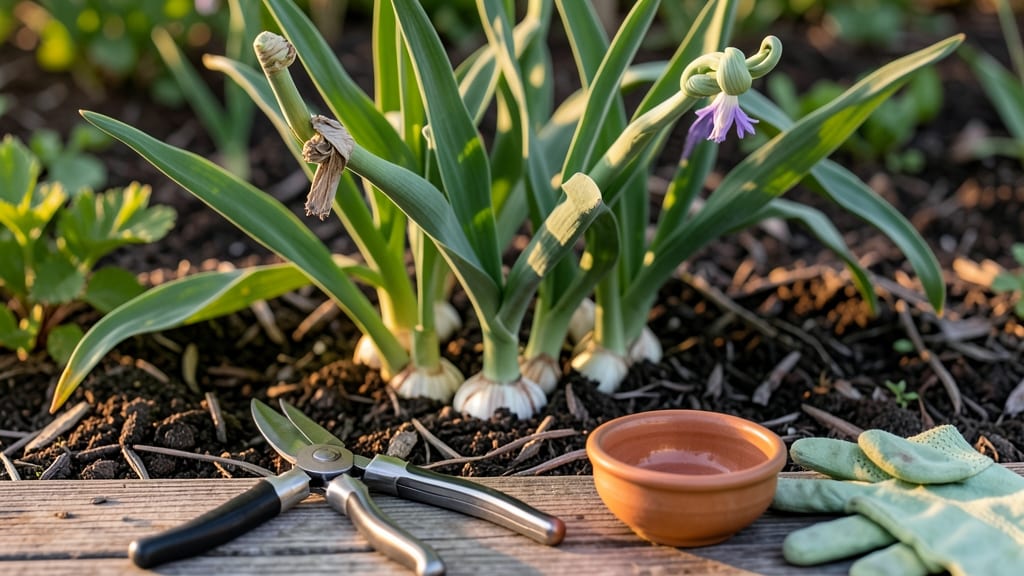
Remove garlic scapes when they reach 6–12 inches and curl at the tip 🧄—this is the sweet spot for maximizing bulb size while still harvesting flavorful scapes.
Those curly green stalks might look like weeds, but they’re actually a gardener’s secret weapon. Snip them too early, and your garlic bulbs won’t grow as large.
Wait too long, and you’ll miss out on a delicious early summer harvest. The key? Watching for three clear signs that tell you exactly when to act.
Timing matters because removing scapes redirects the plant’s energy back into the bulb, leading to bigger, more flavorful harvests later in the season. In USDA Zone 6a, this usually happens between late May and early June, but climate and variety play a role.
Miss the window, and you could end up with smaller bulbs—or worse, no scapes at all.
In this guide, I’ll walk you through the three foolproof signs to know when it’s time to cut, how to do it right (without damaging the plant), and what happens if you get the timing wrong. By the end, you’ll never second-guess whether to snip again.
3 Clear signs it’s time to harvest garlic scapes
When your garlic plants send up those signature curly green scapes, it’s your cue to pay close attention. These floral stems are a sign your garlic is thriving—but removing them at the wrong time can mean smaller bulbs or wasted harvests.
The key is knowing exactly when those scapes are ready to pick, so you can redirect all that plant energy into plumping up those coveted garlic bulbs.
I’ve learned through years of gardening that timing is everything with garlic scapes. Too early, and your bulbs won’t reach their full potential. Too late, and you miss out on harvesting those delicious scapes that are perfect for sautéing or pesto.
Here’s how to spot the perfect moment to harvest scapes without sacrificing bulb growth.
🌱 When to Remove Garlic Scapes: 3 Key Signs
-
1. Scapes reach 12–18 inches long
The ideal length for harvesting is when scapes grow to about 12–18 inches. At this stage, they’re fully elongated but haven’t yet started flowering aggressively. This ensures your garlic bulbs get the energy boost they need. -
2. Buds begin to form at the tip
Look for tiny flower buds forming at the curled end of the scape. This signals the plant is shifting focus from bulb growth to reproduction. Removing scapes at this early bud stage prevents bitterness and keeps bulbs sweet. -
3. Lower leaves stay vibrant and healthy
The 4–6 bottom leaves should remain deep green and firm. If they start yellowing or wilting before you harvest scapes, it’s a sign the plant is already stressed—and your bulbs may suffer. Healthy leaves mean the plant can still power those bulbs.
Pro tip: If you’re unsure, err on the side of earlier harvests. Scapes removed at 10–12 inches still yield great flavor, and your bulbs will thank you.
I’ve found that hardneck garlic varieties often produce scapes slightly earlier than softneck types, so adjust your timing based on what you’re growing.
Once you spot these signs, act quickly! Scapes can go from perfect to overgrown in just a few days. The moment you see those curly tips and tiny buds, grab your pruners and get to work.
Remember, the goal is to redirect energy back to the bulbs—so don’t wait until the scapes are woody or flowering heavily.
After harvesting, don’t toss those scapes! They’re packed with garlic flavor and can be used fresh in salads, sautéed like green onions, or even fermented for a tangy kick.
But the real magic happens below ground—those bulbs will swell up beautifully if you time it right. It’s a win-win for your garden and your kitchen.
If you’re in a warmer climate (like Zones 8–10), scapes may appear earlier in the season. In cooler regions (Zones 3–7), they typically show up in late spring to early summer. Always check your local frost dates to align harvesting with your garlic’s growth cycle.
One mistake I made early on was waiting too long to harvest scapes, thinking bigger was better. But those late-harvested scapes led to smaller bulbs and even some bitter-tasting garlic.
Now, I mark my calendar for when scapes hit 12 inches—it’s become second nature. Your garlic will reward you with plump, flavorful bulbs if you act at the right time.
Finally, keep an eye on the weather forecast. If heavy rain or extreme heat is coming, it’s best to harvest scapes a day or two early. Stress from weather can force the plant to focus on survival over bulb growth, so stay ahead of the game.
With these signs in mind, you’ll never second-guess when to snip again!
What happens if you remove scapes too early or late?
Removing garlic scapes at the wrong time can dramatically impact your harvest. When you remove them too early, your garlic plant diverts energy to flower production instead of bulb development. This often results in smaller bulbs with fewer cloves, and the plant may even stop growing entirely.
The energy that should be building your garlic bulbs gets wasted on a premature scape.
On the flip side, leaving scapes too long means your plant focuses on producing seeds rather than storing nutrients in the bulb. This leads to bitter-tasting garlic and reduced bulb size.
Worse yet, the plant may split open or develop weak stems, making it vulnerable to disease or pests. Timing is critical to ensure your garlic plants allocate their energy where it matters most—bulb growth.
Removing Scapes Too Early
- Early harvest of scapes for cooking
- Mild garlic flavor in scapes
- Stunted bulbs (smaller size)
- Fewer cloves per bulb
- Wasted energy on immature scapes
Removing Scapes Too Late
- Larger scape yield for harvest
- More mature scapes for storage
- Smaller bulbs (energy diverted)
- Bitter garlic flavor
- Risk of bulb splitting
Ideal Removal Time
- 6-12 inches long
- Curled at the tip
- Firm and green
The ideal time to remove garlic scapes is when they reach 6–12 inches and begin curling at the tip. At this stage, your plant has fully developed the scape but hasn’t yet started diverting energy toward seed production.
Removing them now ensures your garlic plant focuses all its resources on bulb expansion rather than flowering.
If you’re in a warmer climate, scapes may grow faster, so monitor them closely. In cooler regions, they’ll take longer to reach the ideal size. Pay attention to the leaf condition—healthy, vibrant leaves indicate the plant is still prioritizing bulb growth over flowering.
Once you see signs of flower buds forming, it’s too late.
Remember, every garlic plant has a limited energy budget. By removing scapes at the right time, you’re essentially telling your plant, “Stop wasting energy on flowers—focus on making those bulbs bigger!”
This simple act can mean the difference between small, weak garlic and a bountiful harvest of plump, flavorful cloves.