
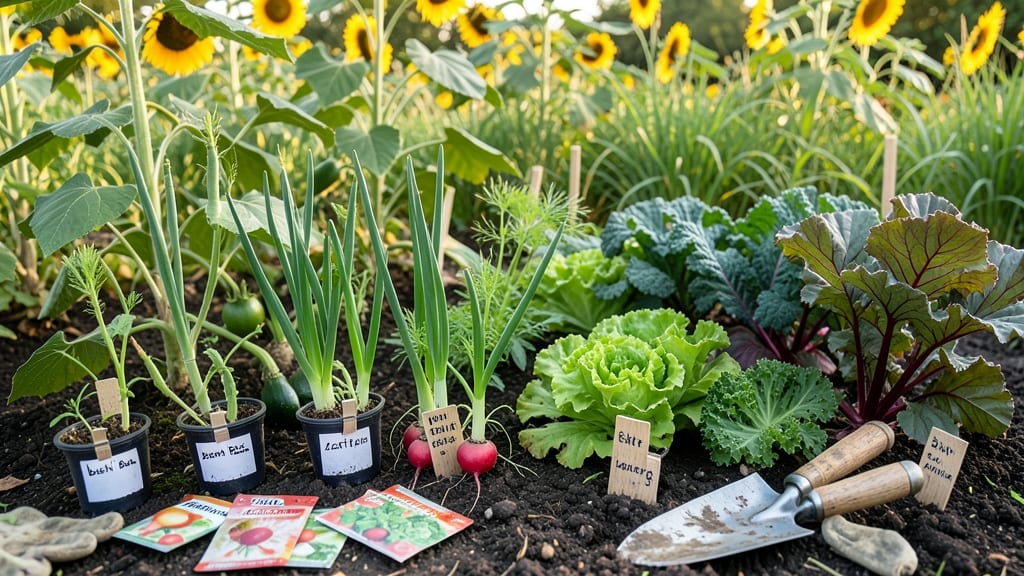
July Planting for Late Summer Harvest Vegetables: Fast-Growing Crops That Beat the Heat

Planting

July Planting for Late Summer Harvest Vegetables: Fast-Growing Crops That Beat the Heat

Planting late summer harvest vegetables in July isn’t just possible—it’s your secret weapon for a bountiful fall table 🥕.

July isn’t too late to plant—these fast-growing vegetables thrive in late summer heat, delivering fresh harvests just in time for fall feasts and preserving season.

Think bush beans popping in 30 days, radishes ready in 25, or leafy greens that keep producing until frost. The key? Choosing the right crops and giving them the care they need to beat the heat.

Below, I’ll walk you through the best-suited crops, regional tips to keep them thriving, and a simple checklist to set your July garden up for success—so you’re harvesting instead of watching other gardens fade.

Best Time to Plant
July - Early August
Plant after last frost date; ensure soil temperature is at least 60°F (15°C).
🥕 Summer Planting Recommended

10 Fast-growing vegetables to plant in July for late summer harvest

July might feel like the dog days of summer, but it’s actually the perfect time to plant fast-growing vegetables that thrive in warm soil and deliver harvests before frost. These heat-tolerant crops mature in just 30-60 days, giving you fresh produce for fall meals and preserving.

Think bush beans, radishes, and turnips—all of which can handle the heat while others wilt.

With late summer harvests in mind, I’ve curated a list of top performers that outshine slower varieties. These plants don’t just survive the heat—they thrive in it.

The key? Quick maturity and succession planting to keep your garden productive until frost. Let’s dive into the best July planting options for a bountiful fall table.

⚠️ Pro Tip: Always test your soil’s moisture and temperature before planting. Aim for 60°F+ soil temps and well-draining soil to prevent rot in these speedy growers.

Vegetable Days to Harvest Sun Needs Spacing Soil Prep
Bush Beans 50-60 days Full sun (6+ hrs) 4-6" apart Loose, fertile soil
Radishes 25-30 days Full sun to partial shade 2" apart Well-draining, loose
Turnips 40-50 days Full sun (6+ hrs) 4" apart Rich, slightly acidic
Arugula 30-40 days Partial shade (morning sun) 6-8" apart Moist, well-draining
Bok Choy 35-45 days Full sun to partial shade 8-12" apart Fertile, loose soil
Swiss Chard 45-55 days Full sun (6+ hrs) 10-12" apart Rich, well-draining
Lettuce (Leaf) 30-40 days Partial shade (afternoon) 8-10" apart Moist, cool soil
Cucumbers (Bush) 50-60 days Full sun (6+ hrs) 12-18" apart Warm, fertile soil
Kale (Baby)

How to maximize July planting success: heat management tips for fast crops

July might feel like the peak of summer, but it’s actually the perfect time to plant fast-growing vegetables that deliver harvests before frost. The key to success lies in managing heat stress while giving your plants the care they need to thrive.

With the right strategies, you can beat the heat and enjoy a bountiful late-summer harvest.

Start by focusing on heat-tolerant varieties like bush beans, radishes, and turnips, which mature in 30-60 days. These crops can handle the summer sun better than others, but they still need your help to stay healthy.

Proper watering techniques, mulching, and shade solutions will make all the difference in your garden’s productivity.

⚠️
Heat Stress Warning: Overwatering in hot weather can drown roots and invite fungal diseases. Instead, focus on deep, infrequent watering—aim for 1-2 inches per week—and always water at soil level to keep leaves dry.

Mulching is one of the simplest yet most effective ways to regulate soil temperature and retain moisture. Use straw or wood chips around your plants to create a protective layer that insulates roots from extreme heat.

This method also suppresses weeds, reducing competition for water and nutrients. Apply a 3-inch layer of mulch once your plants are established.

For watering schedules, prioritize early mornings to minimize evaporation and fungal risks. Avoid evening watering, as damp foliage overnight can lead to powdery mildew or other diseases.

If your area experiences intense heat waves, consider providing temporary shade with shade cloths or even old bedsheets to protect delicate seedlings until they strengthen.

Don’t overlook the power of companion planting to improve yields and deter pests. Pair bush beans with corn and cucumbers to create a mutually beneficial trio, while radishes can act as trap crops for pests like aphids.

These pairings not only boost growth but also reduce the need for chemical interventions, keeping your garden ecosystem balanced.

Finally, keep an eye on your plants for signs of heat stress, such as wilting, yellowing leaves, or stunted growth. If you notice these symptoms, provide immediate shade and increase watering frequency temporarily.

With these heat management tips, your July-planted crops will thrive and reward you with a delicious late-summer harvest.

★★★★★4.7(14 reviews)
Categories Planting