
Plants
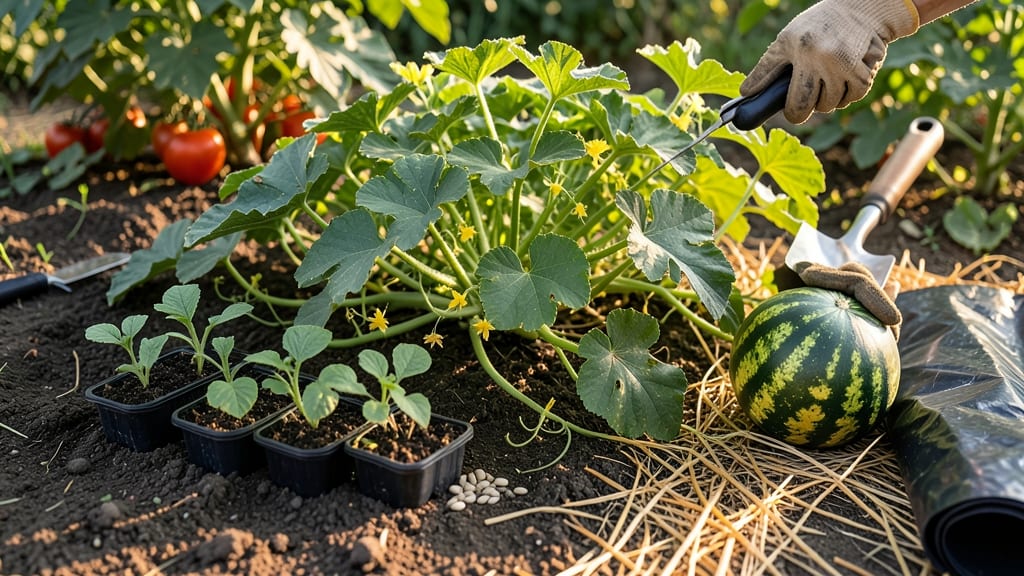
To plant watermelon in Georgia, wait until soil temperatures hit 70°F and all frost risk has passed — usually mid-April to early May for most of the state.
Georgia’s warm climate makes it a prime spot for juicy, homegrown watermelons 🍉 — but timing your planting wrong can mean bitter disappointment instead of sweet success.
That’s why knowing your USDA zone (7b-8a) and local frost dates is the key to avoiding stunted vines or early wilting. In North Georgia, you’ve got just 215 frost-free days to work with, so every week counts.
Below, I break down the exact planting windows by region, soil temperature tips, and how to stretch your harvest from July through September without common mistakes.
Georgia watermelon planting timeline by USDA hardiness Zone (with frost dates)
Georgia’s diverse climate—from the mountainous North (Zones 7a-7b) to the humid Central (Zones 8a-8b) and the subtropical South (Zone 9a)—creates unique planting windows for watermelons. Unlike cooler regions, Georgia’s long growing season and warm soil let you start earlier, but frost dates still dictate your success.
I’ll break down the exact windows for each zone, including soil temperature thresholds and frost-free date calculations to ensure your seeds germinate and fruit matures before fall’s first chill.
Watermelons are heat-loving annuals that need consistent warmth to thrive. In Georgia, the last frost date varies dramatically—from late March in Zone 9a to mid-April in Zone 7b. But don’t rush! Planting too early risks cold soil, which stalls germination.
Instead, wait until the soil reaches at least 70°F—a critical threshold for watermelons. I’ll show you how to calculate your zone’s ideal planting window using historical frost data and soil thermometer checks.
Here’s the summary table for Georgia’s watermelon planting timeline by zone, including frost dates, soil temperature requirements, and optimal planting windows:
For Zone 7a-7b gardeners in North Georgia (think Blue Ridge Mountains or Dahlonega), the last frost date typically lands in mid-April, but don’t plant until late April to early May.
The shorter growing season here means you’ll need fast-maturing varieties like ‘Sugar Baby’ (65 days) or ‘Crimson Sweet’ (80 days) to avoid fall frost. Use a soil thermometer to confirm the ground has warmed to 70°F—cold soil delays germination by weeks.
Central Georgia’s Zones 8a-8b (including Atlanta and Macon) offer a longer window for planting. With a last frost around early April, you can start seeds indoors in late March and transplant outdoors by mid-April.
This zone’s warmer nights and longer daylight accelerate growth, letting you try larger varieties like ‘Charleston Gray’ (85 days). Just be mindful of humidity, which can promote powdery mildew—space plants 3-4 feet apart for airflow.
In Zone 9a (South Georgia, near Savannah or Valdosta), the subtropical climate lets you plant earlier and later in the season. With frost rarely striking before early November, you can even try a fall planting in late July for a winter harvest (though yields may be smaller).
Start seeds in early April for a summer crop or late July for a fall crop. Varieties like ‘Black Diamond’ (75 days) thrive here with consistent heat.
Pro tip: Use Georgia’s historical frost data from the University of Georgia Extension to fine-tune your timeline. For example, Zone 7b areas like Gainesville average their last frost on April 15, while Zone 9a areas like Brunswick rarely see frost after November 1.
Adjust your planting by 2 weeks earlier or later based on your microclimate—valleys stay colder longer, while south-facing slopes warm up faster.
If you’re unsure about your exact frost dates, check the Almanac’s Frost Calculator or ask your local UGA Extension office. They’ll provide hyper-local data tailored to your county. For example, Rome (Zone 7b) might have a later frost than Athens (
How to extend your Georgia watermelon season: early vs. late planting strategies
Georgia’s short growing season can feel like a race against time for watermelon lovers—but with the right strategies, you can turn that challenge into a year-round harvest. The key lies in early and late planting techniques that leverage Georgia’s warm springs and mild falls.
Whether you’re using row covers or succession planting, these methods help you beat the heat and frost to enjoy sweet watermelons from June through October.
Most gardeners focus on the traditional spring planting window (mid-April to early May), but by adding early starts under protection and late-season extensions, you can double—or even triple—your watermelon yield.
The trick is balancing soil warmth, frost dates, and plant maturity to ensure your vines produce fruit before the first cold snap. Let’s break down the best ways to stretch your season without sacrificing quality.
Early Planting (February-March) vs. Late Planting (July-August)
Early Planting
- Pros: Longer growing season
- Pros: First harvest of the year
- Cons: Needs row covers or cold frames
- Cons: Higher risk of fungal diseases
Best for: USDA Zones 8a-9a with mild winters.
Late Planting
- Pros: Avoids spring pests
- Pros: Smaller vines = easier management
- Cons: Shorter harvest window
- Cons: Requires fast-maturing varieties
Best for: All zones with heat-tolerant varieties.
For early planting, start seeds indoors in February (if you’re in Zone 8a or warmer) or use a cold frame to protect young plants. Transplant outdoors once soil temperatures hit 70°F, typically by mid-March.
Use floating row covers to shield seedlings from late frosts and extend the growing season by 2-3 weeks. This method works best with fast-maturing varieties like ‘Sugar Baby’ (65 days) or ‘Crimson Sweet’ (80 days).
If you prefer late planting, focus on July-August to capture the fall harvest before frost. Choose heat-tolerant varieties such as ‘Charleston Gray’ or ‘Black Diamond’, which thrive in Georgia’s summer heat.
Plant seeds directly in the ground after July 4th, ensuring vines have 80-90 days to mature before the first frost. Mulch heavily to retain moisture and reduce soil temperature spikes.
One of my favorite tricks is succession planting: Sow a new batch of seeds every 2-3 weeks from April through June. This staggered approach ensures a continuous supply of watermelons throughout the summer.
Space each planting 10-12 feet apart to prevent overcrowding, and always use trellises for compact varieties to save space. Just remember—late plantings need drip irrigation to avoid fungal issues from overhead watering.
Don’t forget to monitor soil moisture and pest activity closely during extended seasons. Watermelons planted in early spring are more susceptible to cucumber beetles, while fall plantings may attract squash bugs.
Use neem oil or row covers as needed, and always harvest before the first 28°F frost to preserve fruit quality. With these strategies, you’ll turn Georgia’s short season into a watermelon lover’s paradise.