
Plants
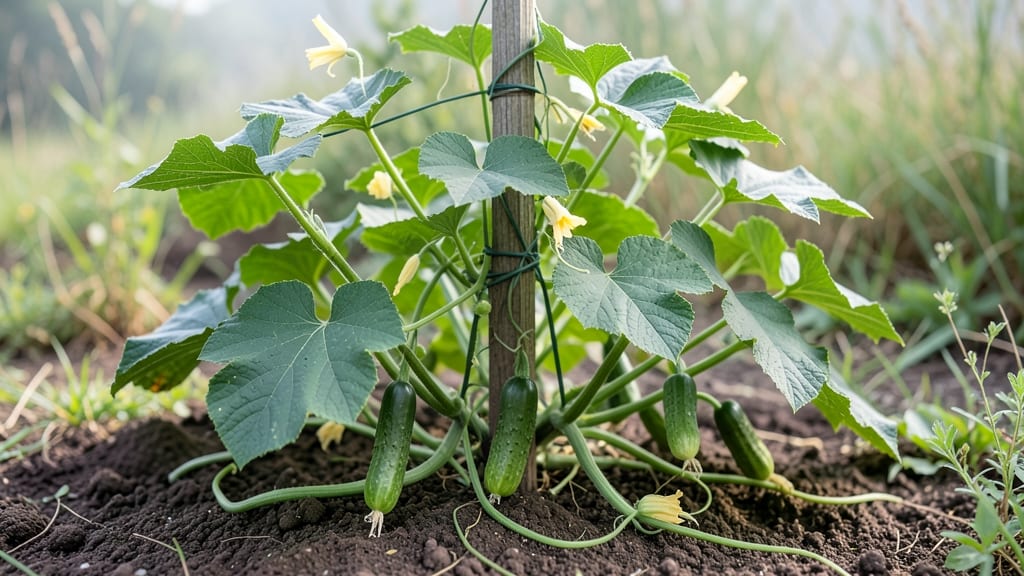
Cucumber plants produce fruit for 45 to 70 days after germination, depending on the variety and growing conditions—though many gardeners miss the full window by not knowing when to expect peak yields.
If you’ve ever wondered why your 🥒 cucumber plants seem to produce fruit in waves—or why some varieties keep yielding while others suddenly stop—you’re not alone. Understanding the exact harvest window can transform your garden’s productivity, ensuring you enjoy fresh, crisp cucumbers for as long as possible.
Most slicing cucumbers hit their prime between 50 and 60 days, while pickling varieties may wrap up closer to 45 days. Vining types like 'Straight Eight' can stretch production to 70 days with the right care, but bush varieties often taper off sooner.
The key? Regular harvesting, proper pruning, and consistent moisture to keep the plant focused on fruit instead of stress.
In this guide, I’ll break down the exact timeline by variety, share pro tips to extend your harvest, and warn you when it’s time to let go—so you can maximize every cucumber your plants produce.
Cucumber plant fruit production timeline by variety type
Understanding your cucumber plant’s fruit production timeline is key to maximizing yields. Most varieties follow a predictable pattern, but the exact duration depends heavily on the type—whether you’re growing slicing cucumbers, pickling cucumbers, or specialty varieties like miniature Persian cucumbers.
The timeline also varies between bush varieties (compact) and vining varieties (sprawling).
For example, slicing cucumbers like 'Straight Eight' or 'Marketmore' typically produce fruit between 50–70 days after planting, while pickling cucumbers such as 'Boston Pickling' or 'Calypso' mature faster, usually in 45–60 days.
Specialty varieties like Lemon cucumbers or Armenian cucumbers may fall outside these ranges, often taking 60–80 days to reach harvest.
Here’s the critical insight: cucumber plants don’t produce fruit continuously. Instead, they follow a peak harvest window—usually spanning 4–8 weeks—before production slows or stops. Vining varieties often outperform bush types in yield longevity, thanks to their larger canopy and extended flowering period.
Peak production typically begins 2–3 weeks after the first flowers appear, provided the plant has adequate pollination (for non-parthenocarpic varieties) and consistent care. During this window, you can expect 5–10 cucumbers per plant per week, depending on variety and growing conditions.
Signs of declining production include yellowing leaves, fewer new flowers, and fruit that stays small or develops bitter flavors. This usually occurs 8–12 weeks after planting, signaling the plant’s energy shifts toward seed production or senescence.
Bush varieties decline faster than vining types, often within 6–8 weeks of peak harvest.
Now, let’s break down the exact timelines by variety type in this summary table to help you plan your harvest schedule:
If you’re growing bush cucumber varieties, expect a shorter production window—often just 4–6 weeks
How to extend your cucumber plant’s fruit production season
Cucumber plants typically produce fruit for 45–70 days after germination, but with the right care, you can stretch that window by 30–50%. The key lies in balancing nutrient management, pruning techniques, and environmental adjustments to keep your vines productive well into late summer.
Many gardeners miss this opportunity by focusing only on early growth, not realizing that continuous flowering depends on ongoing maintenance.
One of the biggest mistakes I see is over-fertilizing with nitrogen early in the season. While nitrogen boosts leafy growth, it starves the plant of phosphorus and potassium, the nutrients critical for flower and fruit development.
Instead, shift to a balanced 10-10-10 fertilizer once vines start climbing, then switch to a potassium-rich formula (like 5-10-10) to encourage more blooms and fruit set.
Remove yellow leaves and side shoots to redirect energy to main fruit production. Pinch off vines growing below the first 5–7 fruit nodes to prevent overcrowding.
Apply 1–2 inches of water 2–3 times per week during peak heat. Use drip irrigation to keep foliage dry and prevent powdery mildew, which weakens vines.
Spread 3–4 inches of straw or wood chips to retain moisture and keep roots cool. This prevents heat stress, which causes flowers to drop before fruiting.
Pick every 2–3 days to encourage new flowers. Overripe cucumbers compete for nutrients, slowing down future production. Aim to harvest when they’re 6–8 inches long for optimal flavor and yield.
Another game-changer is hand-pollinating flowers if you notice poor fruit set. On warm, still days, gently shake vines or use a small brush to transfer pollen from male flowers (with long stems) to female flowers (with tiny fruits at the base).
This mimics bee activity and boosts production by up to 40% in hot climates.
For late-season extension, consider succession planting every 2–3 weeks after the initial harvest. Choose parthenocarpic varieties like 'Sweet Success' or 'Diva', which produce fruit without pollination and thrive in shorter daylight conditions. These varieties can keep yielding until the first frost in Zone 7 and warmer.
Finally, watch for nutrient deficiencies like yellowing leaves or weak stems, which signal it’s time to side-dress with compost or a low-nitrogen fertilizer. A simple soil test can reveal imbalances—aim for pH 6.0–6.8 and adequate potassium levels to sustain flowering.
With these strategies, you can enjoy continuous cucumber harvests for up to 3 months instead of the typical 6–8 weeks. The secret? Treating your plants like long-term investments rather than short-term crops. 🌱