
Vegetables
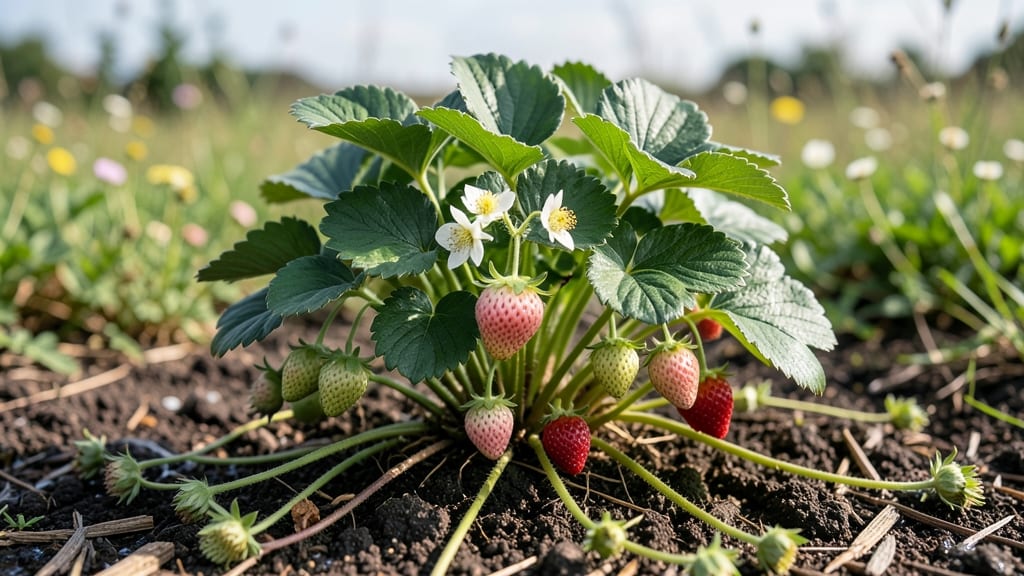
Strawberries produce fruit in spring, summer, or fall depending on their variety and your climate zone—getting the timing right means turning your garden into a berry bonanza.
Picture this: it’s June, and your June-bearing strawberries 🍓 are finally ripening after months of anticipation. But if you planted everbearing or day-neutral types, you might already have a second (or even third!) harvest coming your way.
The key? Knowing which variety thrives in your USDA Zone 6a and how to coax the best yields from each.
Climate plays a huge role—too much frost in spring can delay fruit, while heat waves might force an early harvest. Meanwhile, soil prep, sunlight, and even pollination can speed up or slow down when those sweet berries appear.
Skip these steps, and you might end up with leafy plants but no fruit—or worse, a single disappointing harvest instead of months of flavor.
In this guide, I’ll break down exactly when each strawberry type fruits, how to adjust for your local growing conditions, and the simple tricks to stretch your harvest from early summer to late fall. Ready to turn your patch into a berry buffet?
Strawberry fruit production timeline by variety: June-bearing vs. everbearing vs. day-neutral
If you're dreaming of homegrown strawberries, timing is everything. The fruit production window varies dramatically between June-bearing, everbearing, and day-neutral varieties. June-bearing plants deliver one massive harvest, while everbearing and day-neutral varieties stretch your season—sometimes even year-round in warm climates.
Knowing these differences means you can plan your garden for continuous strawberry feasts instead of just one peak season.
Your choice of variety isn’t just about when you’ll harvest—it’s also about how much work you’re willing to put in. June-bearing plants require renewal every 3-4 years but give you a huge summer bounty. Everbearing varieties produce two smaller harvests (spring and fall) and need annual pruning to keep them productive.
Meanwhile, day-neutral strawberries keep producing throughout the entire growing season with minimal fuss. Let’s break down exactly what to expect from each type.
📅 PRO TIP: Most gardeners start with June-bearing varieties because they’re hardier and more reliable in cooler climates. But if you live in Zone 8 or warmer, everbearing or day-neutral varieties can give you strawberries from spring to frost. The key is matching your climate and goals to the right plant.
Let’s start with June-bearing strawberries, the classic choice for gardeners in USDA Zones 3-7. These varieties focus all their energy on producing one massive harvest in late spring to early summer. Popular picks like 'Chandler' and 'Jewel' deliver 80% of their fruit in just 2-3 weeks.
The trade-off? After that initial burst, they stop producing for the season unless you’re growing a fall-fruiting June-bearing variety (like 'Seascape', which we’ll cover later).
To maximize your June-bearing harvest, plant in early spring (as soon as soil is workable) and provide 6+ hours of sunlight daily. These plants thrive in cooler temperatures (ideal between 50-75°F) and well-draining soil.
After their main harvest, you can remove old leaves in late summer to redirect energy to root growth, helping them recover for next year’s harvest. Just remember: June-bearing plants decline after 3-4 years and need replacing.
Now, let’s talk about everbearing strawberries, the workhorse of extended harvests. Varieties like 'Ozark Beauty' and 'Fort Laramie' give you two smaller harvests per year: one in early summer and another in late summer/fall.
The first flush comes from old wood (last year’s growth), while the second flush emerges from new wood (current year’s stems). This dual production makes them perfect for Zones 4-8, where seasons are distinct but not extreme.
Here’s the catch: Everbearing varieties need pruning to perform their best. After the first harvest, remove all old leaves to encourage new growth for the fall harvest. If you skip this step, your plant will waste energy maintaining old foliage instead of producing fruit.
Also, everbearing strawberries prefer cooler nights (below 75°F) to set fruit—so if you’re in a hot climate, you might see fewer berries in summer but a bigger fall crop.
For continuous strawberry production, day-neutral varieties are the ultimate game-changers. These plants, like 'Seascape' and 'Albion', produce fruit as long as days are above 50°F and temperatures stay mild. That means harvests from spring to frost in warm climates (Zones 7-10) or year-round in greenhouses.
Day-neutral strawberries are perennial with proper care, meaning they’ll keep producing for years without replacement.
To keep your
How climate Zones affect strawberry harvest seasons: USDA Zones 3-10 guide
Your USDA climate zone determines whether you'll enjoy spring strawberries or a year-round harvest. In colder zones like Zone 3, frost delays fruiting until late June or July, while warmer Zone 9 gardeners can pick berries from fall through winter.
The key difference? Frost sensitivity and day-neutral varieties that thrive in mild climates.
For example, in Zone 5, June-bearing varieties like 'Jewel' produce a single late June harvest, while everbearing types like 'Seascape' give you two smaller harvests—one in June and another in September.
In Zone 8, you might extend your season with fall-planted day-neutral varieties like 'Albion', which fruit continuously until first frost.
Here’s how your climate zone impacts strawberry timing, including frost protection tips and season-extending tricks:
In Zones 3-4, where frost is a constant threat, focus on June-bearing varieties and protect plants with frost blankets or straw mulch to extend the season.
Meanwhile, Zone 9-10 gardeners can plant day-neutral varieties in fall for winter harvests, using shade cloth during hot summers to prevent fruit scorching.
Pro tip: Soil temperature matters just as much as air temperature. Strawberries need soil at 40°F or warmer to fruit. In cold zones, use black plastic mulch to warm the soil 2-3 weeks earlier than bare ground. In warm zones, drip irrigation keeps roots cool during summer heat.
No matter your zone, pollination is critical. In Zone 5-6, bees are active by June, but in Zone 9-10, you may need to hand-pollinate in winter. A gentle shake of the plants or a soft paintbrush does the trick!
Ready to adjust your planting strategy? Start by choosing zone-appropriate varieties and protecting your harvest with simple tools like row covers or mulch. Your strawberry patch could produce fruit for half the year—or more!