
Plants
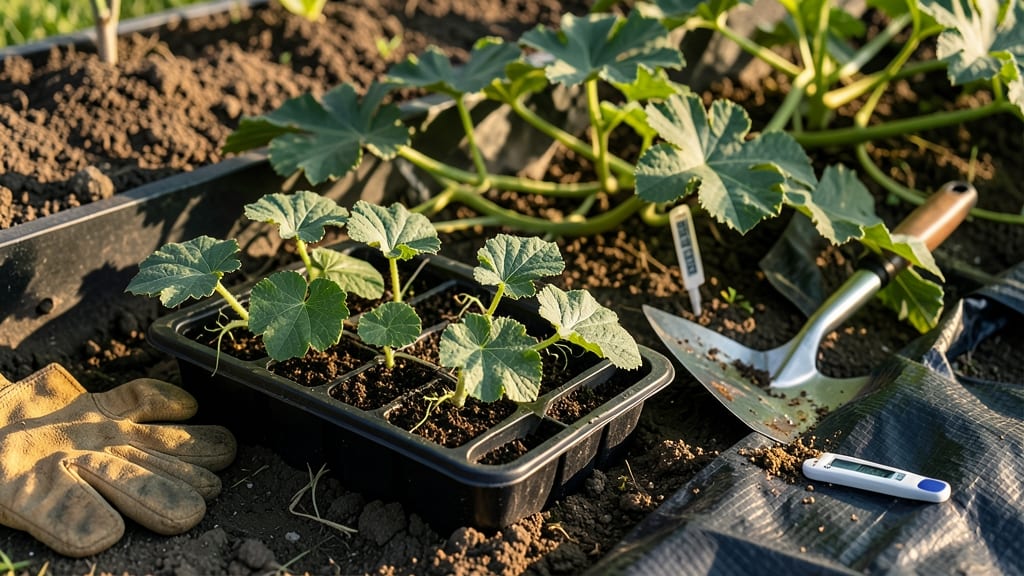
To plant watermelon in Illinois, wait until after your last frost date—typically late April to mid-May—when soil temperatures hit at least 70°F.
Get this timing wrong, and you risk frost damage or stunted growth, especially in 5b-6b zones where late frosts linger. But with the right frost-date guide, you can maximize yield and enjoy homegrown 🍉 melons from your backyard.
Illinois gardeners often struggle with the short growing season, but knowing your region’s microclimate—whether you’re in Chicago or St. Louis—can make all the difference. Direct sowing after the last frost is best, but transplanting early starts can work with protective covers.
Below, I’ll break down the exact planting windows by zone, soil temperature tips, and how to extend your season for a longer harvest. Ready to grow sweet, juicy watermelons?
Illinois watermelon planting dates by hardiness zone (frost-date guide)
Watermelons thrive in Illinois' warm summers but demand precise timing to avoid frost damage or stunted growth. Since Illinois spans USDA zones 5b-8a, planting dates vary by microclimate—Chicago’s lake-effect cooling delays springs, while southern Illinois enjoys earlier warmth.
Always wait until soil temperatures hit 70°F+ and all frost risk has passed.
For direct sowing, aim for 2-3 weeks after your last frost date. Transplants can go in slightly earlier (1 week after frost) since they’re more established.
In northern Illinois (zones 5b-6a), this typically means late May; in southern Illinois (zones 6b-8a), you can start as early as mid-April.
Here’s your frost-date guide broken down by zone, including soil temperature thresholds and regional adjustments:
In Chicago and northern Illinois, I recommend starting seeds indoors 4-6 weeks before your last frost date (around mid-April) to give seedlings a head start. Use biodegradable pots to avoid transplant shock when moving them outdoors.
For direct sowing, wait until soil temperatures consistently stay above 70°F—use a soil thermometer to check!
Southern Illinois gardeners can direct sow as early as late March, but I always recommend using black plastic mulch to warm the soil faster and suppress weeds. This trick adds 5-7°F to soil temperature, accelerating germination. Pro tip: Pair it with drip irrigation to maintain moisture without overwatering.
For transplanting, purchase 4-6 inch seedlings from nurseries once soil is warm. Harden them off for 5-7 days by placing them outdoors in partial shade during the day and bringing them in at night. This gradual transition reduces stress and improves survival rates in Illinois’ unpredictable springs.
Watch for late frosts in May—especially in zone 5b. If frost is forecasted, cover seedlings with row covers or frost blankets until temperatures rise. I’ve lost entire watermelon patches to late-season frosts in Chicago, so I now set up low tunnels as a precaution for early plantings.
Harvest time in Illinois typically spans July through September, but northern zones may finish by mid-September. To extend your season, choose shorter-maturing varieties like Sugar Baby (70 days) or Crimson Sweet (80 days).
For longer seasons, opt for heirloom varieties like Moon and Stars (85-90 days).
Remember: Watermelons need 6-10 hours of full sun daily and well-draining soil with a pH of 6.0-6.8. Amend heavy clay soils with compost or sand to improve drainage—poor drainage leads to rotten fruit and blossom-end rot. 🍉
How to extend your Illinois watermelon season (cold frames, row covers & more)
Illinois gardeners face a short growing season, but with the right tools, you can push your watermelon season earlier or later. Cold frames, row covers, and black plastic mulch are game-changers for heat-loving watermelons that need 70°F+ soil temperatures.
These methods create microclimates that protect tender seedlings and extend harvests into fall.
Start by choosing the right extension method for your goals: cold frames for early starts, row covers for frost protection, or black plastic mulch to warm soil faster. Even a small greenhouse or DIY hoop house can add 2-4 weeks to your growing window—critical for Illinois' 165 frost-free days.
- 1 Cold Frames: Build a DIY frame with Plexiglas or clear plastic. Plant seeds 3-4 weeks before last frost (early April). Soil warms 10-15°F faster than open ground. Ideal for early varieties like 'Sugar Baby' (60-day maturity).
- 2 Row Covers: Use floating row covers (like Agribon) to protect seedlings after planting. Lift covers during day to prevent overheating. Extends season by 2-3 weeks in spring/fall. Secure edges with bricks or soil to prevent wind damage.
- 3 Black Plastic Mulch: Lay 1-2mm black plastic 2 weeks before planting. Warms soil to 90°F+ in 10 days. Plant seeds through slits in the plastic. Combine with drip irrigation to maintain moisture. Best for late May plantings in northern Illinois.
- 4 DIY Mini Greenhouse: Use a large plastic storage bin (cut in half) or repurposed window frames covered with plastic sheeting. Place on bricks or cinder blocks for airflow. Start seeds 4 weeks early and transplant after last frost.
- 5 Succession Planting: Plant fast-maturing varieties (60-70 days) every 2 weeks from late May to early July. Use row covers on late plantings to protect from early fall frosts. Example: 'Crenshaw' (70 days) planted in July can ripen by early September.
For northern Illinois (zones 5a-5b), prioritize cold frames and black plastic mulch—they’re the most reliable for beating late springs. In southern Illinois (zones 6a-6b), focus on row covers and succession planting to stretch harvests into October.
Always monitor soil temperatures with a thermometer; watermelons won’t germinate below 70°F.
Pro tip: Combine methods for maximum results. For example, use black plastic mulch + row covers to start seeds 3 weeks early and protect seedlings until soil warms. This combo can add 4-6 weeks to your growing season—enough to grow two watermelon crops in a typical Illinois summer.
Remember, overheating is a risk with covers—watermelons thrive at 75-90°F but can bolt or develop poor fruit in extreme heat. Ventilate structures during 90°F+ days by propping up row covers or cracking open cold frames. With these strategies, you’ll turn Illinois’ short season into a watermelon powerhouse! 🍉