
Plants
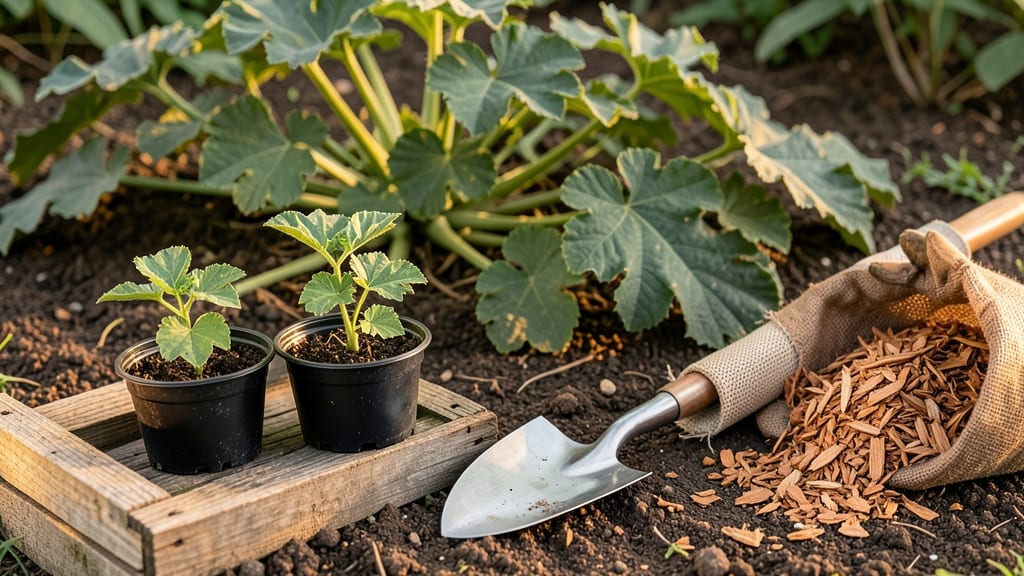
To plant watermelon in NC, aim for mid-April to early June after the last frost—when soil hits 70°F—or late July for a fall harvest 🍉.
North Carolina’s warm summers and long growing season make it a prime spot for juicy, homegrown watermelons—but timing is everything. Plant too early, and frost will strike; too late, and your harvest shrinks.
Most NC gardeners swear by direct-sowing seeds once the ground warms, but transplanting can shave 10-14 days off the wait for ripe fruit. The key is matching your planting to your USDA zone—whether you’re in the cooler Piedmont or the balmier Coastal Plain.
Below, I break down the exact frost-free windows for your region, soil prep tricks to speed up germination, and how to stretch your harvest into September with simple adjustments.
NC watermelon planting dates by frost Zone: avoid early spring risks
North Carolina’s diverse climate—from the cooler Piedmont to the warmer Coastal Plain—means planting dates vary by USDA frost zone. In Zone 7a, late frosts linger until May 15, while Zone 8b gardeners can start as early as April 1.
The key? Wait until soil temps hit 70°F+ and all frost risk has passed. Planting too soon risks cold damage or stunted vines.
Watermelons thrive in warm soil and struggle with cool nights. Even if daytime temps feel spring-like, nighttime dips below 55°F can shock seedlings. Use a soil thermometer to confirm readiness—70°F is non-negotiable for germination.
Direct sowing is ideal, but if you transplant, harden off seedlings for 7–10 days to avoid shock.
Here’s your frost-zone breakdown for NC watermelon planting, including regional adjustments for Piedmont, Coastal Plain, and Mountain areas:
| Zone | Last Frost Date | Optimal Planting Window | Soil Temp Requirement | Regional Notes |
|---|---|---|---|---|
| 7a (Piedmont) | May 1–15 | May 15–June 1 | 70°F+ (21°C+) | Wait for consistent 70°F+ days; use black plastic mulch to warm soil faster. |
| 7b (Transition) | April 15–May 1 | April 20–May 10 | 70°F+ (21°C+) | Coastal areas can plant 2 weeks earlier due to microclimates. |
| 8a–8b (Coastal Plain) | March 15–April 1 | March 30–April 15 | 70°F+ (21°C+) | Plant ‘Sugar Baby’ or ‘Crimson Sweet’ for shorter seasons; mulch to retain moisture. |
*Adjust for microclimates (e.g., south-facing slopes plant earlier).
For a fall harvest, sow seeds in late July (Zone 7a) or early July (Zone 8b). Watermelons need 70–90 days to mature, so time your planting to finish before first frost (typically October 15–November 1).
In Zone 8b, you might squeeze in a second planting by July 15 for a late-summer crop.
Direct sowing beats transplanting in NC’s climate. Seedlings hate root disturbance, and watermelons develop shallow roots that struggle when moved. If you must transplant, use biodegradable pots to minimize shock. Space seeds 1 inch deep in hills or mounds for better drainage—watermelons despise soggy soil.
Watch for false springs—those warm spells in March or April that trick you into planting early. A late frost can wipe out tender seedlings overnight. Use row covers if you’re desperate to start sooner, but remove them once true leaves appear to avoid heat stress.
For Piedmont growers, black plastic mulch warms soil 5–10°F faster than bare earth.
Pro tip: Test your soil before planting. Watermelons prefer pH 6.0–6.8 and well-draining soil. Amend heavy clay with compost or sand to prevent root rot. In sandy Coastal Plain soils, add organic matter to retain moisture. A 5-minute soil test saves weeks of frustration later.
If you’re in Zone 7a and miss the spring window, don’t despair—fall planting works too. Choose fast-maturing varieties like ‘Early Red’ (65 days) and plant by July 15.
Just be ready to harvest by October 1 before cold sets in. For Zone 8b, you can stretch it to November 1 with a little luck.
Remember:
How to extend your NC watermelon season: succession planting & cold protection
North Carolina gardeners know that watermelons thrive in our warm climate—but what if you could stretch that harvest window even further? By using succession planting and cold protection, you can enjoy ripe watermelons from early summer through late fall.
The key is combining the right varieties, planting intervals, and season-extending tools to beat the heat and frost. Let’s break down the best strategies for your NC garden.
Start by choosing short-season varieties like ‘Sugar Baby’ (65 days) for early harvests or longer-season types like ‘Crimson Sweet’ (85 days) for fall crops. Plant your first batch 2 weeks after your last frost date (typically mid-April in most of NC), then repeat every 2 weeks until early June.
This staggered approach ensures a continuous supply of fresh watermelons.
Extend Your NC Watermelon Season
Black Plastic Mulch
- Pros: Warms soil faster, speeds germination, suppresses weeds
- Cons: Requires upfront cost (~$20/100 sq ft), can overheat soil
Row Covers
- Pros: Protects from light frosts, deters pests, extends fall harvest
- Cons: Needs removal during flowering (bees need access)
Cold Frames
- Pros: Extends season by 4-6 weeks, great for small gardens
- Cons: Labor-intensive to build/maintain, limited space
Succession Planting
- Pros: Continuous harvest, maximizes garden space
- Cons: Requires organization, may need extra seeds
For early-season protection, use black plastic mulch to warm the soil and jumpstart germination. Lay it down 2-3 weeks before planting to raise soil temperatures to 70°F+. If frost threatens in late spring or early fall, cover plants with floating row covers (remove during flowering to allow pollination).
For a more permanent solution, consider a cold frame—it can extend your harvest by 4-6 weeks in fall.
Don’t forget to adjust your watering strategy as seasons change. Watermelons need 1-2 inches of water weekly, but in summer heat, increase to 2-3 inches and water early in the morning to prevent fungal diseases. In fall, reduce watering slightly as temperatures drop to avoid overripe fruit.
To maximize your harvest, pair these strategies with dwarf varieties like ‘Black Diamond’ (great for containers) or ‘Charleston Gray’ (ideal for small spaces). With the right timing and tools, you can enjoy homegrown watermelons from June through October—or even longer with a late fall planting!
Pro tip: Keep a planting journal to track which methods work best in your microclimate. Note soil temps, frost dates, and harvest yields to refine your approach each year. Happy gardening!