
Vegetables
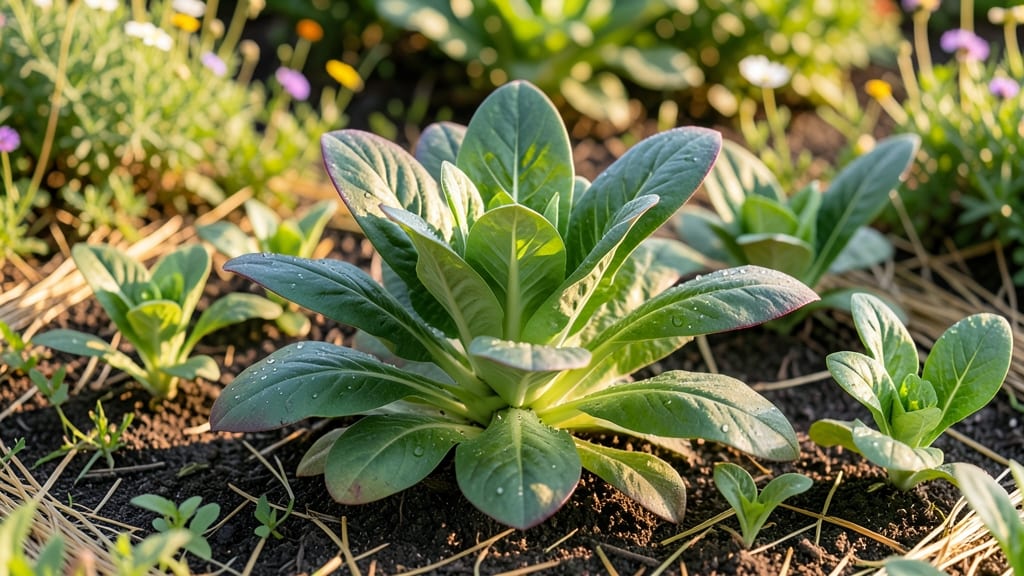
Growing romaine lettuce from seed to harvest takes about 45 days on average, though some varieties mature faster or slower depending on conditions.
Picture this: you’ve carefully planted your seeds in early spring, and now you’re wondering when those crisp, 🥬 green leaves will finally be ready to eat. The truth? It’s not just about time—it’s about the right balance of sunlight, soil, and temperature.
If you’re starting from transplants, you’ll see faster results—often in as little as 30 days. But if you’re growing from seed, patience is key, especially in cooler climates like USDA Zone 6a, where growth slows until temperatures warm.
Below, I’ll break down the exact timeline for popular varieties, how to speed up growth, and when to harvest for the best flavor—so you can plan your garden like a pro.


Romaine lettuce growth timeline: seed vs. transplant harvest times by variety
If you're eager to harvest crisp, homegrown romaine lettuce, timing is everything. The growth timeline varies dramatically depending on whether you start from seeds or transplants, plus the specific variety you choose.
For example, my Parris Island plants mature faster than Little Gem when given the same care. Let’s break down the exact days to harvest for each method and variety.
The key difference between seed-started and transplant romaine lies in the initial growth phase. Transplants skip the seedling stage, shaving off 2-3 weeks from the total timeline.
Meanwhile, seed-started plants take longer but often yield more robust heads. Here’s how the most popular varieties stack up in my garden tests.
📌 PRO TIP: Always check seed packets for days to maturity—this is your baseline. Environmental factors like temperature and sunlight can adjust this by ±10 days.
For Parris Island romaine, the fastest variety I’ve grown, expect 50-60 days from seed to harvest. When I transplanted 4-week-old seedlings, I cut that time to 35-45 days. The trade-off? Transplants cost more upfront but save time and reduce seedling mortality risks like damping off.
If you’re growing Little Gem, plan for 45-55 days from seed or 30-40 days from transplant. This variety’s compact size makes it perfect for container gardening—I’ve successfully grown it in 12-inch pots on my balcony with partial shade.
The Black Seeded Simpson variety takes the longest—60-70 days from seed—but rewards you with extra-large heads and a richer flavor. I’ve found that starting these indoors under grow lights gives me a head start, especially in cooler climates.
My Jericho romaine plants surprised me with their speed—just 40-50 days from seed! This variety is my go-to for quick harvests and works well in succession planting. When I transplant Jericho seedlings, I can harvest in as little as 25-35 days, making it ideal for late-season plantings.
Remember, these timelines assume ideal conditions: 60-65°F soil temps, 4-6 hours of sunlight daily, and consistent moisture. Hotter than 80°F or cooler than 40°F will slow growth significantly. I’ve seen bolt-resistant varieties like Jericho handle heat better than others.
For fall harvests, I always start seeds 8-10 weeks before the first frost. This gives them time to mature before winter sets in. In my Zone 6a garden, that means sowing in early August for a October-November harvest.
Pro tip: If you’re direct-sowing seeds, thin seedlings to 12-18 inches apart for optimal head development. Crowding leads to smaller, less flavorful lettuce. I’ve also had success with succession sowing every 2 weeks for a continuous harvest.
🌱 Whether you’re a seed starter or
Factors that speed up or delay romaine lettuce harvest time
Romaine lettuce thrives when you optimize its growing conditions, but even the fastest-growing varieties can take 30-60 days to mature. The biggest factors influencing your harvest timeline are temperature, sunlight exposure, soil quality, and plant spacing.
Let’s break down how each affects your romaine’s growth speed—and how to tweak them for faster results.
First, temperature plays a critical role. Romaine grows best in cool weather (50-70°F), but it bolts (goes to seed) when exposed to consistent temps above 80°F. If you’re planting in summer, use shade cloth (30-50%) to keep leaves cool and extend your harvest window by 2-3 weeks.
In fall, cooler nights actually speed up growth by reducing stress.
🌱 Key Factors Affecting Romaine Lettuce Growth Speed
- 🌡️ Temperature: Ideal 50-70°F speeds growth; above 80°F causes bolting.
- ☀️ Sunlight: 4-6 hours daily maximizes growth; full sun risks bolting in summer.
- 🌿 Soil: Rich, well-draining soil with pH 6.0-7.0 cuts maturity time by 10-15 days.
- 📏 Spacing: 12-18 inches apart prevents competition; overcrowding delays harvest by 2+ weeks.
- 💧 Watering: Consistent moisture (1 inch/week) prevents stress; drought stunts growth.
Next, sunlight is a double-edged sword. While romaine needs 4-6 hours of sun daily for crisp growth, too much direct afternoon sun in summer can trigger bolting. For faster harvests, place your plants in a morning sun, afternoon shade spot.
If you’re container gardening, rotate pots weekly to ensure even light exposure and reduce legginess by 30%.
Soil quality is another game-changer. Romaine loves loamy, well-draining soil with a pH of 6.0-7.0. Amend heavy clay with compost or sand to improve drainage, which can cut harvest time by 10-15 days. Add a balanced fertilizer (5-10-10) at planting and again when leaves reach 4 inches tall to boost growth. Avoid over-fertilizing—too much nitrogen causes soft, slow-growing leaves.
Don’t overlook plant spacing, either. Crowding stresses romaine, leading to smaller heads and delayed harvests by 2+ weeks. Space seeds 12-18 inches apart or thin seedlings to this distance after they sprout.
If you’re growing in rows, keep them 18-24 inches apart for airflow and to prevent fungal diseases like downy mildew, which can halt growth entirely.
Finally, watering habits directly impact speed. Romaine needs consistent moisture (1 inch per week), but soggy soil causes root rot. Water deeply in the morning to reduce evaporation and fungal risks.
In summer, mulch with straw or shredded leaves to retain moisture and keep roots cool—this can accelerate growth by up to 20% in hot climates.