
How To
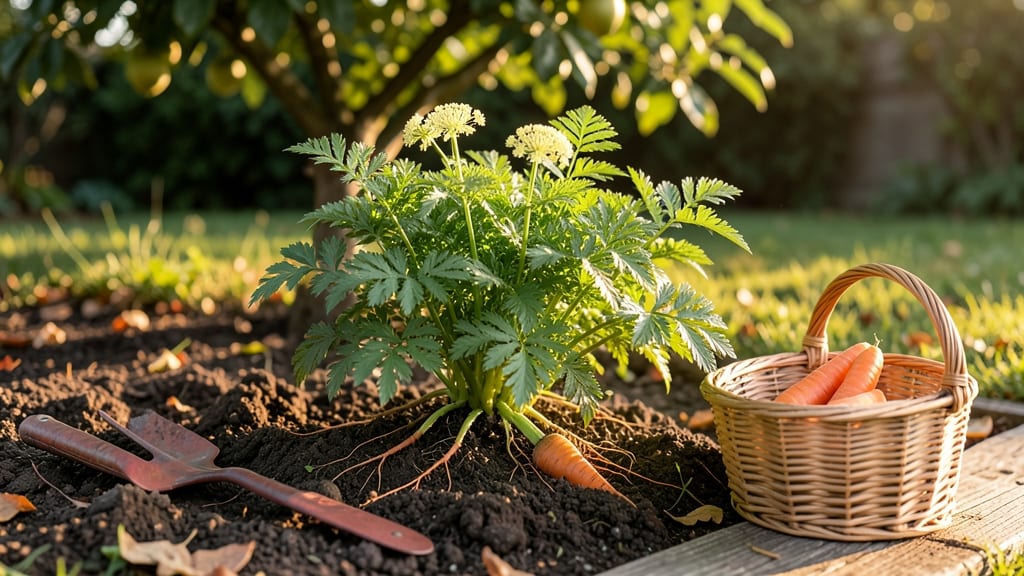
Carrots take 60 to 80 days to reach harvest-ready perfection, but those numbers are just the start of the story.
If you’ve ever wondered when you’ll finally get to pull those sweet, crisp 🥕 roots from your garden, the answer depends on more than just days—it’s about soil, variety, and patience. From tiny seeds to harvest-ready roots, timing is everything.
Most gardeners expect a straightforward timeline, but soil conditions—like loamy, well-drained earth—can shave weeks off your wait, while rocky or clay-heavy ground turns 80 days into a three-month slog.
And let’s not forget the variety: Danvers carrots mature faster than Nantes, but both need the right signals to tell you it’s time.
Below, I’ll break down the exact days by type, the telltale signs your carrots are ready (spoiler: it’s not just size), and how to avoid the three biggest mistakes that turn your harvest into a gamble. Ready to dig in?


Carrot harvest time: exact days from seed to table by variety
If you’ve ever planted carrot seeds and eagerly checked the soil every few days, you know the anticipation builds as those orange roots develop underground.
The truth is, carrot harvest times vary dramatically by variety—some are ready in as little as 50 days, while others need 80 days or more to reach full maturity. The key lies in understanding your carrot variety and how soil conditions influence growth speed.
For example, Danvers carrots, a classic heirloom type, typically mature in 70 days, while Nantes varieties—known for their smooth, tapered shape—take about 65 days. Meanwhile, Chantenay carrots, with their stout, cylindrical roots, often reach harvest readiness in 60-70 days.
These differences aren’t just about patience; they’re tied to the genetic growth patterns of each variety and how they respond to temperature and soil conditions.
Cold-hardy varieties like Purple Haze or Black Nebula can tolerate cooler spring soils and may even grow faster in 50-60°F temperatures, while heat-sensitive types like Rainbow or Solar Yellow thrive in 60-70°F soil but can bolt or become woody if stressed by heat.
This is why timing your planting window matters just as much as choosing the right seeds.
| Variety | Days to Harvest | Soil Temp Ideal | Best For | Notes |
|---|---|---|---|---|
| Danvers | 70-80 days | 50-65°F | Cold climates | Classic, conical shape; stores well |
| Nantes | 65-75 days | 60-70°F | Warm regions | Smooth, tapered roots; great for containers |
| Chantenay | 60-70 days | 55-68°F | Rocky/heavy soil | Short, stout roots; resistant to forking |
| Paris Market | 50-60 days | 50-60°F | Early harvests | Mini carrots; harvest young for sweetness |
| Rainbow | 70-80 days | 60-75°F | Colorful varieties | Multi-colored; heat-sensitive |
Soil conditions play a huge role in how quickly carrots mature. Loose, sandy soil allows roots to penetrate easily and grow faster, while clay-heavy soil can slow development and lead to forked or misshapen roots.
Amending your soil with compost or sand before planting can shave off 5-10 days from the harvest timeline. Additionally, consistent moisture is critical—carrots need 1 inch of water per week, but they’ll grow woody if stressed by drought.
If you’re growing in containers or raised beds, expect slightly faster harvests because the soil stays warmer and drains better. However, container-grown carrots may need thinning more frequently to prevent overcrowding, which can delay maturity.
For successive planting, sow seeds every 2-3 weeks to ensure a steady supply—this works especially well for short-season varieties
Signs your carrots are ready to harvest (and common mistakes to avoid)
Knowing when to harvest carrots can be tricky, especially when you're eager to enjoy the fruits of your labor. The ideal harvest window typically falls between 60–80 days after sowing, but this varies by variety and growing conditions.
Pay attention to both above-ground foliage and below-ground roots—they both tell a story about your carrots' readiness.
First, check the shoulders of the carrots peeking above the soil. When they're about 1–2 inches in diameter and the tops are vibrant green, that's a great sign. However, don't rely solely on size—color and texture are equally important indicators.
A mature carrot should have a deep, even hue and a crisp, tender skin that yields slightly when pressed.
⚠️ callout-warning ⚠️
One of the biggest mistakes is harvesting in dry soil, which can cause roots to split or crack. Always water the soil thoroughly 24 hours before pulling to soften the earth and make extraction easier. Use a garden fork to loosen the soil around the roots if needed—this prevents damage to both the carrot and its foliage. If you're planning to regrow your carrots for a second harvest, leave the top 2–3 inches of leaves intact to encourage new root growth.
Watch for yellowing or wilting leaves, which can signal overmaturity or stress. If the foliage turns yellow and dies back completely, the carrots may have gone to seed or been stressed by drought or heat. In this case, harvest immediately to avoid tough, stringy roots.
Another red flag is uneven color or forked roots, often caused by crowded planting or rocky soil. To prevent this, thin seedlings to 2–3 inches apart and amend your soil with compost or sand for loose, crumbly texture.
For the best flavor and texture, harvest carrots on a cool morning after dew has dried. Use a garden fork or trowel to gently loosen the soil around the roots before pulling. Avoid twisting or yanking—this can cause the roots to break.
Once harvested, store carrots in a cool, dark place with high humidity, like a root cellar or refrigerator, where they'll keep for up to 3 months. If you notice any soft spots or mold, remove them immediately to prevent spoilage.
Don’t forget that succession planting can extend your harvest season. By sowing new seeds every 2–3 weeks during the growing season, you'll have a steady supply of fresh carrots from early summer through fall. Just remember: patience and observation are key—your carrots will thank you with sweet, crisp perfection! 🥕