
Vegetables
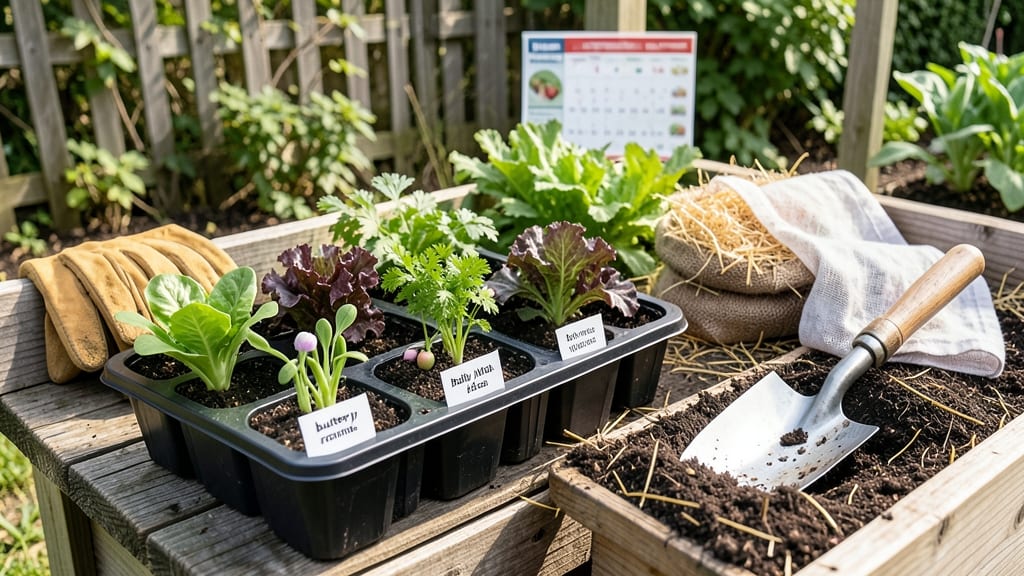
Planting vegetables in Zone 3 at the right time means the difference between a thriving garden and a season of disappointment.
Timing your vegetable planting in Zone 3—where winters are long and frosts linger—can mean the difference between a bountiful harvest and a wasted season. Avoid costly mistakes by knowing the exact frost dates for each variety, from cool-season hardies like lettuce 🥕 to heat-loving staples like tomatoes.
In this guide, I’ll walk you through the ideal planting windows for your region, including how to adjust for early or late varieties. Whether you’re a first-time gardener or a seasoned pro, these tips will help you maximize your growing season and avoid common pitfalls.
You’ll learn how to use frost dates, soil temperatures, and seasonal transitions to plan your garden like a pro. Let’s get started!
Zone 3 frost dates & best planting windows by vegetable type
In Zone 3, where frosts can linger until mid-May and return by mid-September, timing your vegetable plantings is critical. The last spring frost and first fall frost create a 120-day growing window—just enough for warm-season crops but challenging for long-season varieties.
Regional microclimates in northern Michigan, Minnesota, and Canada border areas can shift these dates by 1-2 weeks, so always monitor local forecasts.
Cool-season vegetables like spinach, kale, and peas thrive when planted 4-6 weeks before the last frost, while tomatoes, peppers, and cucumbers need 2-3 weeks after frost danger to establish roots. Year-round greens such as Swiss chard or lettuce can be sown in early spring and late summer for fall harvests.
Adjust these windows based on your soil temperature—most seeds need 40°F+ to germinate.
Key frost dates for Zone 3:
- Last frost: Mid-May (earlier in southern Zone 3, later near Canada border)
- First frost: Mid-September (can be earlier in northern areas)
- Growing season: ~120 frost-free days (varies by location)
Regional adjustments:
- Northern Michigan: Last frost late May, first frost early September
- Minnesota (north): Last frost early June, first frost late August
- Canada border (e.g., ND, MB): Last frost June 1, first frost mid-August
| Vegetable Type | Planting Window (Seeds) | Planting Window (Transplants) | Notes for Zone 3 |
|---|---|---|---|
| Cool-Season Crops | 4–6 weeks before last frost (March–April) | 2–4 weeks before last frost (April) | Use row covers for early starts; succession plant every 2 weeks. |
| Warm-Season Crops | 2–3 weeks after last frost (late May) | 1–2 weeks after last frost (early May) | Start indoors in March; harden off before transplanting. |
| Year-Round Greens | Early spring (March) + late summer (July) | Transplant in April + August | Protect with cold frames in fall; harvest before hard frost. |
| Examples | Lettuce, Spinach, Peas | Tomatoes, Peppers, Cucumbers | Radishes (fast: 30 days), Cabbage (slow: 90 days) |
For cool-season crops, start spinach, peas, and lettuce indoors in March or direct-sow in early April. These hardy plants tolerate light frosts and can even bolster flavor when exposed to 32–35°F temperatures.
In northern Minnesota or Canada border areas, delay sowing until mid-April to avoid soil crusting from late frosts.
Warm-season crops like tomatoes, peppers, and squash demand consistent warmth—they’ll wilt or rot if planted too early. Wait until soil temperatures reach 60°F+ (use a soil thermometer to confirm). In Zone 3, this typically aligns with late May, but transplants can go in 2 weeks earlier if hardened off properly.
Year-round greens such as kale, Swiss chard, and arugula are your Zone 3 superstars. Sow Swiss chard in March for an early spring harvest, then resow in July for a fall crop. Use row covers to extend the season into October, and mulch heavily to protect roots from early frosts. These plants often taste sweeter after a light frost, making them ideal for fall gardening.
If you’re in a short-season area (e.g., northern Michigan’s UP or Minnesota’s Arrowhead), prioritize fast-maturing varieties like bush beans (50 days), radishes (30 days), or bok choy (40 days).
For longer-season crops such as cabbage (90 days) or onions (100 days), start seeds indoors in March and transplant after last frost to maximize your 120-day window.
Pro tip: Succession planting is your best friend in Zone 3. Instead of sowing all your lettuce or radishes at once, plant small batches every 2 weeks to ensure a continuous harvest.
This works especially well for fast growers like radishes (30 days) or bush beans (50 days), preventing glut and waste.
Always keep a planting journal to track your local frost dates and adjust future seasons. Over time, you’ll notice microclimate patterns—like south-facing slopes warming earlier or low-lying areas holding frost longer. These insights can shave weeks off your growing season and boost your harvests.
🌱
How to adjust planting times for early vs. late varieties in Zone 3
In Zone 3, where the growing season is short and unpredictable, choosing the right planting times for early vs. late varieties can extend your harvest by weeks—or even months.
Fast-maturing crops like radishes and lettuce thrive with quick succession plantings, while long-season cabbage or onions need careful timing to avoid frost damage. The key is understanding how to stagger plantings and use season-extending tools to maximize your garden's potential.
One of my favorite strategies is succession planting, where I sow quick-growing crops every 2–3 weeks after the last frost. For example, bush beans (mature in 50–60 days) can be planted in late May, June, and early July to ensure a steady supply.
Meanwhile, longer-season crops like broccoli (mature in 70–90 days) need to be planted 4–6 weeks before the first frost to reach maturity before cold sets in.
To make this easier, I rely on row covers and cold frames to push the limits of my growing season. A floating row cover can add 2–4 weeks of protection in spring, while a cold frame can extend fall harvests by 4–6 weeks.
For instance, I often plant spinach under row covers in early April, harvesting it before removing the cover in late May to plant warm-season crops like tomatoes underneath.
- 1. Plant fast varieties first: Start with radishes (25–30 days) and lettuce (30–45 days) 4–6 weeks before last frost for early harvests.
- 2. Use row covers for early/late crops: Extend spring plantings by 2–4 weeks and fall harvests by 4–6 weeks with lightweight covers.
- 3. Stagger long-season crops: Plant cabbage and onions in early June and mid-July for continuous harvests before frost.
- 4. Prioritize heat-loving crops: Wait until 2–3 weeks after last frost to plant tomatoes, peppers, and cucumbers—they won’t tolerate cold soil.
- 5. Plan for fall succession: Sow kale, carrots, and beets in late July for a fall/winter harvest before hard frosts hit.
Another trick I use is interplanting—pairing fast growers with slow ones. For example, I’ll plant radishes (ready in 30 days) alongside carrots (ready in 70 days).
By the time the carrots are mature, the radishes have already been harvested, leaving space for the slower crop to thrive without competition. This method ensures no wasted garden real estate and keeps the harvest coming all season.
For late-season crops, I focus on varieties with shorter maturity dates or those that tolerate light frosts. Spinach and kale are my go-tos for fall plantings—they actually sweeten up after a light frost!
I’ll sow these in late July and protect them with row covers or straw mulch to shield them from hard freezes. This way, I can enjoy fresh greens well into October or even November in sheltered microclimates.
Finally, always keep an eye on soil temperatures and weather forecasts. In Zone 3, a late frost can wipe out tender seedlings overnight. I use a soil thermometer to ensure warm-season crops like peppers and eggplants are planted only when soil temps reach at least 60°F.
For cool-season crops, I start seeds indoors 6–8 weeks before the last frost to give them a head start. With these adjustments, I’ve learned to turn Zone 3’s challenges into opportunities for a longer, more productive growing season. 🌱