
Plants
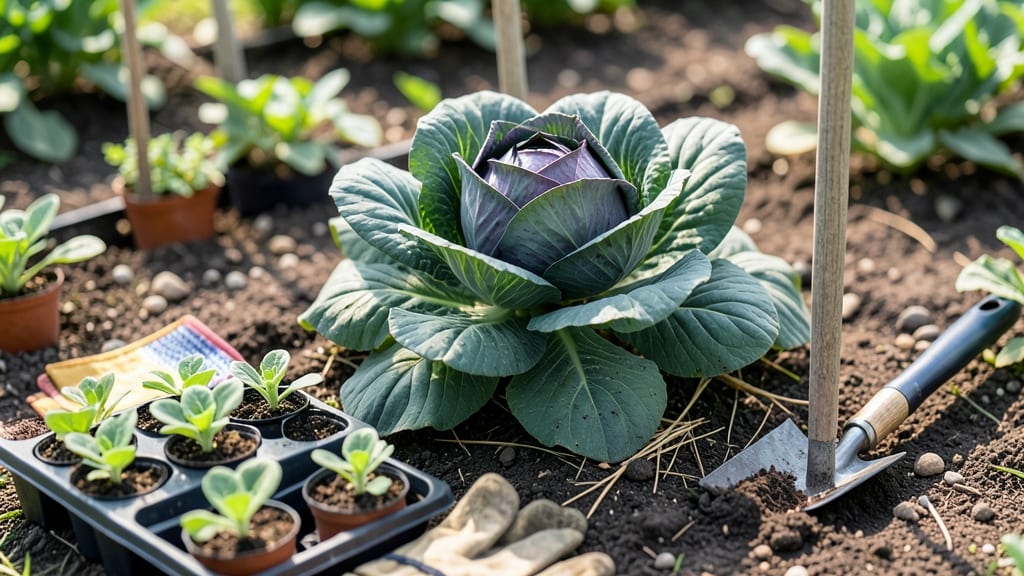
Planting cabbage in Florida’s heat requires precise timing to avoid bolting and bitter harvests—aim for early fall or late winter when temperatures stay mild.
Picture this: you’ve spent weeks tending to your 🌱 cabbage, only to watch it bolt into flower before you even get a head. That’s the nightmare Florida gardeners face when they plant too early or too late.
But with the right schedule, you can grow sweet, crisp cabbage even in the Sunshine State’s warm climate.
The key is working with Florida’s microclimates. North Florida’s cooler winters mean you can start as early as September, while South Florida’s tropical heat demands late January plantings. Heat-tolerant varieties like ‘Cavalo’ or ‘Golden Acre’ are your best bet for avoiding the dreaded bolting that ruins all your hard work.
In this guide, I’ll break down the exact months to plant by region, share the top heat-resistant varieties, and reveal pro tips to extend your growing season—so you can enjoy homegrown cabbage from fall through winter without the frustration.
Best cabbage planting months in Florida (by region and heat Zones)
Florida’s climate makes cabbage cultivation a balancing act—too early, and heat stress ruins your crop; too late, and you miss the sweet spot for crisp harvests. The key lies in understanding your USDA hardiness zone and planting during cooler seasons when temperatures dip below 85°F.
North Florida’s cooler winters allow longer growing windows, while South Florida’s tropical heat demands precise timing to avoid bolting (premature flowering).
Cabbage thrives in 60-70°F soil temperatures, which Florida typically hits during fall and early spring. However, the exact months vary dramatically between regions.
For example, North Florida (Zones 7b-8a) can start as early as August for fall crops, while South Florida (Zones 10a-11) must wait until September-October to avoid summer’s scorching heat. Let’s break it down by region to help you plant with confidence.
⚠️ CRITICAL NOTE: Cabbage bolts (goes to seed) when exposed to prolonged heat above 75°F or long daylight hours. Florida’s summer days (13+ hours of sunlight) trigger this response, so timing is everything. The goal? Plant when days are shortening (12 hours of sunlight) and temperatures are cooling.
| Region | USDA Zones | Fall Planting Window | Spring Planting Window | Key Temperature Threshold | Avoid Planting When |
|---|---|---|---|---|---|
| North Florida | 7b-8a | August–September | February–March | Soil <60°F (harvest before frost) | April–October (heat stress) |
| Central Florida | 8b-9a | September–October | January–February | Daytime <80°F, nighttime <70°F | May–September (bolting risk) |
| South Florida | 10a-11 | September–October | January (limited window) | Nighttime <75°F, shade cloth | April–November (tropical heat) |
In North Florida, where winters dip into the 40s°F, you can plant two crops per year: a fall crop (August–September) for harvest in December–February, and a spring crop (February–March) for summer harvests.
The key is to avoid planting after April, when temperatures rise and daylight stretches beyond 13 hours, triggering bolting. Use row covers in late winter to protect young plants from freezing temperatures.
Central Florida’s mild winters (Zones 8b-9a) offer a slightly shorter window but still allow for two planting cycles. Aim for September–October starts to harvest by January–March, then try January–February for a spring crop.
Here, temperature swings are critical—plant when daytime highs stay below 80°F and nights dip to 70°F or cooler. If you’re pushing the envelope, use shade cloth (30-50%) during peak afternoon heat.
South Florida gardeners face the toughest challenge: heat and long daylight year-round. The only viable window is September–October, when temperatures begin to cool slightly. Even then, success depends on shade cloth, mulching, and heat-tolerant varieties.
Spring planting is risky—only attempt it in January with full shade protection and accept that yields may be smaller and slower. For most South Florida growers, fall is the only reliable season.
To maximize your cabbage harvest, consider succession planting within your region’s optimal window. For example, in North Florida, stagger weekly plantings in August to ensure a continuous supply from December through February.
In Central Florida, plant every 10–14 days in September for a staggered harvest. Use fast-maturing varieties (50–60 days) to fit multiple plantings into your window.
Pro tip: Monitor your local cooperative extension service for
Top 5 heat-tolerant cabbage varieties for Florida gardens
Standard cabbage varieties wilt or bolt under Florida’s relentless sun, leaving gardeners frustrated. The key to success? Choosing heat-tolerant hybrids bred to handle 90°F+ temperatures without sacrificing flavor or texture. These varieties resist bolting—the premature flowering that turns cabbage bitter—and thrive in Florida’s USDA Zones 8-11.
Let’s explore my top 5 picks that actually perform in the Sunshine State.
Most gardeners fail because they plant cool-season varieties like Greenbow or Golden Acre in summer. These need 50-60°F soil temps, but Florida’s summer heat pushes them to bolt in 10-14 days.
Instead, opt for slow-bolting hybrids or tropical-adapted cultivars. These varieties stay compact, resist heat stress, and produce crisp heads even when temps flirt with 95°F.
Here’s how to match your microclimate to the right variety:
🌡️ Florida Cabbage Varieties by Heat Zone
| Variety | Best For | Heat Tolerance | Days to Maturity |
|---|---|---|---|
| Cavalo | North Florida (Zones 8-9) | Up to 90°F | 60-70 days |
| Tendercrisp | Central Florida (Zones 9-10) | Up to 95°F | 55-65 days |
| Golden Acre (Heat-Tolerant Hybrid) | South Florida (Zones 10-11) | Up to 100°F with shade | 70-80 days |
| Rio Verde | All Zones (Slow-Bolting) | Up to 92°F | 65-75 days |
| Early Jersey Wakefield | North/Central Florida (Cool Winters) | Up to 85°F | 55-60 days |
All varieties benefit from afternoon shade in peak summer (use 30-50% shade cloth).
My top pick for North Florida (Zones 8-9) is Cavalo, a Savoy-type cabbage that handles 85-90°F without bolting. It’s also disease-resistant, which is critical during Florida’s humid summers.
For Central Florida (Zones 9-10), Tendercrisp is a game-changer—it matures in just 55-65 days and stays crisp even when temps hit 95°F.
In South Florida (Zones 10-11), where summers are brutal, Golden Acre (Heat-Tolerant Hybrid) is your best bet. It’s a green cabbage that thrives with afternoon shade and tolerates up to 100°F when paired with drip irrigation.
For gardeners in transition zones (like Orlando or Tampa), Rio Verde is a slow-bolting green cabbage that adapts to 88-92°F with minimal fuss.
Pro tip: If you’re pushing the limits, pair your heat-tolerant variety with mulch (straw or black plastic) to keep roots 10-15°F cooler. Also, avoid planting in full sun during June-August—even these varieties will struggle. Instead, aim for September-October starts or February-March for spring harvests.
Remember, Florida’s microclimates vary wildly. A variety that works in Panama City (Zone 8b) may bolt in Miami (Zone 11). Start with small batches of 2-3 varieties, monitor their progress, and adjust your planting schedule based on their performance.
With the right variety and timing, you’ll enjoy homegrown cabbage year-round—no bitter bolting in sight! 🌱