
Plants
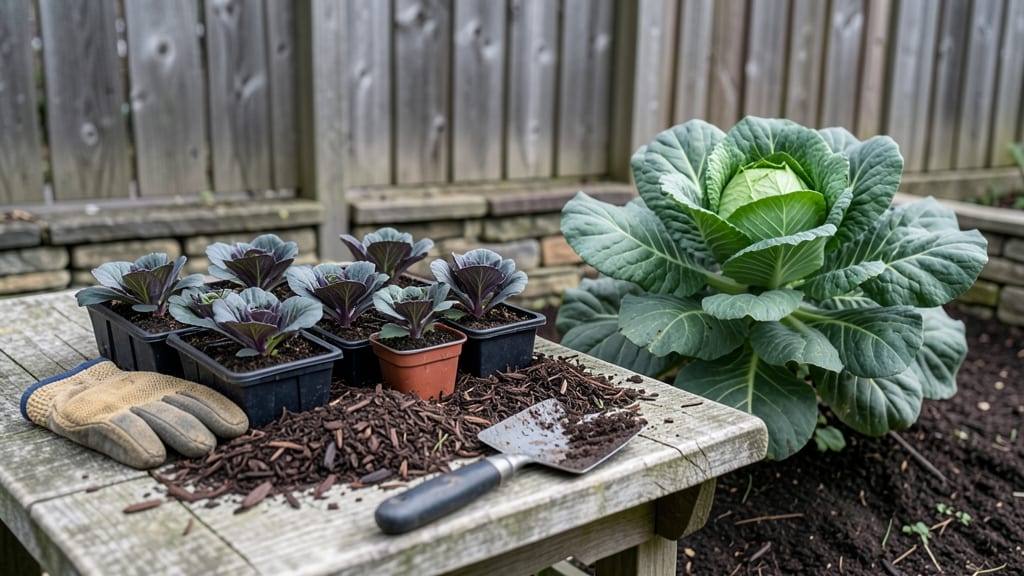
Planting cabbage in South Carolina at the right time means the difference between a bountiful harvest and bitter disappointment.
Timing your cabbage planting in South Carolina’s humid subtropical climate can mean the difference between a thriving harvest and bolted greens—here’s your precise frost-date guide tailored to SC’s microclimates.
With USDA Zone 8a frost dates ranging from mid-March to mid-November, you’ve got two prime windows: late February to early April for spring and late July to early August for fall.
Below, I’ll break down the exact dates by variety, how to adjust for heat, and which cold-hardy types will give you the longest growing season.
South Carolina cabbage planting calendar by frost dates and variety
South Carolina’s humid subtropical climate creates two ideal windows for growing cabbage: spring and fall. The key to success lies in understanding your last frost date (around March 15) and first frost (around November 15).
Planting too early risks frost damage, while planting too late can lead to bolting or poor head formation. Let’s break down the perfect timing for early, mid-season, and late varieties based on SC’s USDA Zones 7b-8a.
For spring cabbage, start seeds indoors 6-8 weeks before your last frost date (around January 20-February 5). Transplant seedlings outdoors 4-6 weeks before the last frost (around February 20-March 15).
This timing ensures heads mature before summer heat sets in. For fall cabbage, transplant seedlings 8-10 weeks before the first frost (around July 20-August 15) to harvest before winter chills arrive.
Here’s your visual planting calendar for South Carolina, organized by variety type and frost dates:
In Zone 7b (cooler inland areas like Greenville), aim for slightly earlier transplant dates—2-3 weeks ahead of the coastal schedule—to account for later frosts. Conversely, in Zone 8a (warmer coastal regions like Charleston), you can push transplant dates 1-2 weeks later to avoid summer bolting.
Always monitor soil temperatures; cabbage thrives in 50-75°F soil.
For spring planting, prioritize early and mid-season varieties like 'Golden Acre' or 'Early Jersey Wakefield'. These mature quickly and avoid summer’s heat stress. In contrast, fall planting benefits from late varieties like 'Red Express' or 'Wisconsin Winter', which handle cooler temperatures and extend your harvest into December.
Pro tip: Use row covers in early spring or late fall to protect young plants from unexpected frosts.
Remember, soil preparation is just as critical as timing. Amend your soil with compost to improve drainage and fertility, and maintain a pH of 6.5-7.0. Cabbage is a heavy feeder, so side-dress with balanced fertilizer (10-10-10) every 4-6 weeks during the growing season.
Consistent moisture is key—aim for 1-2 inches of water per week, delivered in the morning to prevent fungal diseases.
If you’re new to growing cabbage, start with 1-2 varieties to test your timing. For example, plant 'Golden Acre' in early March and 'Wisconsin Winter' in late July. This gives you a spring and fall harvest with minimal risk.
Once you’ve mastered the basics, experiment with heirloom varieties or colored cabbages like 'Red Express' for a visually stunning addition to your garden.
Don’t let SC’s short growing seasons discourage you—cabbage is one of the most forgiving vegetables for beginners. With this frost-date guide and a little patience, you’ll enjoy homegrown cabbage from spring through fall. Happy planting!
How to adjust planting times for SC’s heat and humidity
South Carolina’s humid subtropical climate and summer heat can turn your cabbage plants into bitter, bolted messes if you’re not strategic. The key to success? Adjusting planting times to avoid the worst heat while still maximizing your growing season.
I’ve learned that fall planting often outperforms spring in SC, but both seasons require careful timing and variety selection.
For spring cabbage, aim to transplant 4-6 weeks before your last frost date (typically mid-March).
However, if you plant too early, cool nights followed by sudden heat waves can stress young plants. Fall planting is even trickier—start seeds indoors 8-10 weeks before your first frost (around late July) to ensure mature heads before cold sets in.
⚠️ callout-warning ⚠️
- ✅ Use shade cloth (30-50%) during peak summer heat
- ✅ Choose heat-tolerant varieties like ‘Cavalo’ or ‘Golden Acre’
- ✅ Plant in partial shade under trees or structures
- ❌ Avoid planting June-August unless using shade solutions
One of my biggest mistakes was planting standard green cabbage in early summer—it bolted within weeks.
Switching to ‘Red Express’ (a heat-tolerant variety) in late July gave me a harvest in October without bolting. Succession planting also helps: Sow every 2 weeks in spring and fall to stagger maturity and avoid gaps in your harvest.
Extending your season requires row covers or cold frames for early spring/late fall. I’ve had success with floating row covers in March and November, which protect young plants from frost and pests while allowing sunlight. For summer heat, drip irrigation keeps roots cool—watering in the morning prevents fungal diseases like downy mildew, which thrives in SC’s humidity.
Don’t overlook soil prep—amend beds with compost and aged manure before planting to improve moisture retention and drainage. Mulch heavily (2-3 inches) with straw or pine needles to retain soil moisture and regulate temperature.
In my Zone 8a garden, this has reduced watering needs by 30% during summer’s peak.
If you’re new to SC gardening, start with ‘Golden Acre’ or ‘Wisconsin Winter’—both handle heat and humidity better than traditional varieties. And remember: Patience pays off. Rushing planting times leads to small, bitter heads or no harvest at all.
Stick to the frost-date guidelines, adjust for microclimates (coastal areas are milder than inland), and you’ll enjoy crisp, sweet cabbage all season long. 🥬