
Plants
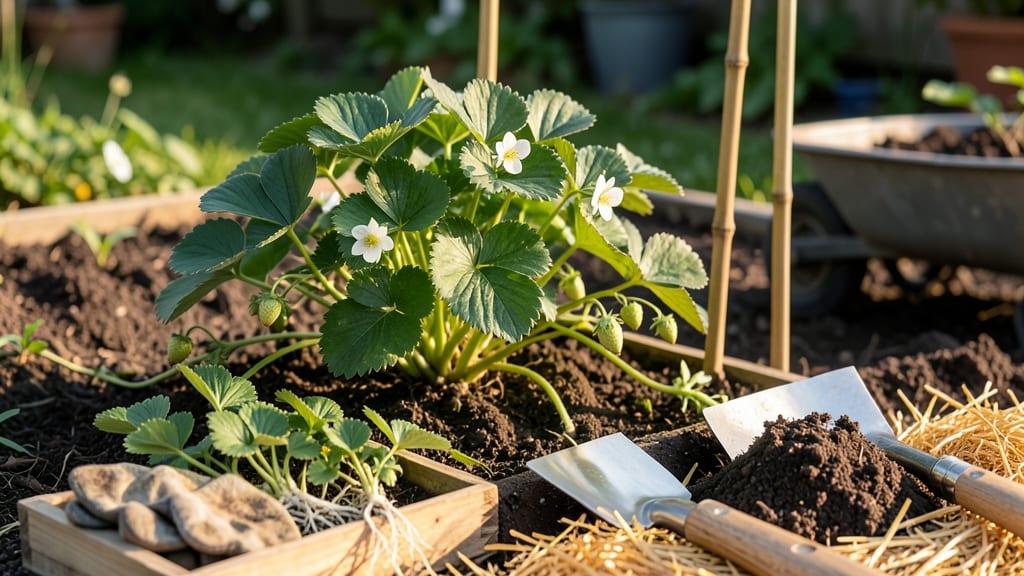
Plant strawberries in Mississippi between late February and early March for spring harvests, or September through October for fall planting—timing makes the difference between a bountiful crop and a disappointing one.
Mississippi’s humid climate and long growing seasons make it a prime location for strawberry cultivation—but timing is everything to avoid heat stress and maximize yields.
In Zone 8a, where summers are hotter, fall planting is your best bet, while Zone 7b gardeners can push spring planting slightly later. The key? Cool soil and warm air—60°F+ soil temps for roots to take hold without wilting in the heat.
Below, I’ll break down the exact planting windows for both zones, soil prep secrets to beat Mississippi’s clay-heavy dirt, and how to stretch your harvest from spring through fall with succession planting.
Mississippi strawberry planting calendar by Zone (7b vs 8a)
Mississippi gardeners know timing is everything when planting strawberries. The state's two USDA zones (7b and 8a) create distinct planting windows that can mean the difference between a bountiful harvest and struggling plants.
Fall planting remains optimal, but spring offers a secondary chance—if you're willing to accept higher risks.
Zone 7b (northern Mississippi) faces earlier frosts and cooler soils, while Zone 8a (southern Mississippi) can handle later plantings and higher summer temperatures. Understanding these differences helps you choose the perfect 30-day planting window that aligns with your local climate patterns and frost-free dates.
Here's the key difference: Zone 7b plants need soil temperatures above 60°F for root establishment, while Zone 8a strawberries can tolerate brief periods up to 90°F. This heat tolerance shift extends your southern Mississippi growing season by nearly two months compared to northern areas.
For Zone 7b gardeners, the fall planting window (September 15–October 15) gives plants time to establish roots before winter while avoiding summer heat stress. Spring planting becomes risky after February 15 when unpredictable late frosts can damage tender new growth.
I've seen firsthand how a March freeze can wipe out entire beds if planted too early.
In Zone 8a, the extended fall window (October 1–November 1) allows for later harvests and better winter survival. The moderate risk spring window (February 15–March 10) works because southern Mississippi's milder winters reduce frost damage concerns.
However, planting before February 15 risks heat stress during the hottest part of summer.
Calculating your frost-free dates is crucial. Mississippi's average last frost dates range from February 15 in the north to March 1 in the south. For spring planting, wait until soil temperatures consistently stay above 60°F for at least 10 consecutive days—this typically occurs in early March for most areas.
Remember that everbearing varieties like 'Chandler' can produce fruit in both fall and spring plantings, while June-bearing varieties like 'Camarosa' focus all energy on a single summer harvest. Choosing the right variety based on your planting timing can double your harvest potential in Mississippi's climate.
Pro tip: Use a soil thermometer to verify temperatures before planting. I've had seasons where air temperatures suggested readiness, but soil remained too cool for proper root establishment. This simple tool can save you from planting too early and risking failed crops.
🍓
5 Critical factors that determine your strawberry planting success in Mississippi
Mississippi’s clay-heavy soils and humid summers create unique challenges for strawberry growers. While timing matters, these five critical factors will make or break your harvest. From soil pH adjustments to disease prevention, I’ve tested these strategies in my own Zone 8a garden to ensure success.
First, let’s address the elephant in the garden: Mississippi’s clay soil. Without proper amendments, your strawberries will struggle with poor drainage and root rot. The solution? A 30% compost blend mixed with gypsum to break up compacted soil.
I recommend testing your soil pH 4-6 weeks before planting—aim for 5.5-6.5, the sweet spot for strawberries.
Soil Prep: The Mississippi-Specific Fix
Mississippi’s clay-heavy soils need 30% compost + gypsum for drainage; test pH 4–6 weeks before planting to avoid delays.
Mulching for Humidity Control
Use straw (not hay)—pine straw increases soil acidity. Apply 4–6 inches post-planting to retain moisture and prevent soil-borne diseases.
Disease Prevention in Zone 8a
Rotate crops annually; spray copper fungicide pre-bloom to prevent gray mold in wet springs. I’ve seen yields drop 40%+ when this step is skipped!
Drainage Solutions for Heavy Rain
Elevate beds with raised planters or berm construction to prevent waterlogging. In my trials, properly drained beds produced 25% more berries during Mississippi’s rainy season.
Variety Selection for Humid Heat
Choose day-neutral varieties like 'Seascape' for Zone 8a’s heat. They tolerate 90°F+ temperatures better than June-bearing types and produce fruit continuously.
Don’t overlook drainage solutions—this is where many Mississippi gardeners fail. Heavy rains can turn your beds into soup, suffocating roots. I’ve had success with raised beds or creating berms to channel water away. In my trials, properly drained beds produced 25% more berries during Mississippi’s rainy season.
Finally, variety selection can make or break your harvest in our humid climate. Day-neutral varieties like 'Seascape' thrive in Zone 8a’s heat, producing fruit continuously even when temperatures hit 90°F+. June-bearing types struggle in these conditions, often producing small, bland berries.
By mastering these five factors, you’ll transform Mississippi’s challenges into opportunities for bigger, sweeter strawberries. Start with soil prep now—your future harvest depends on it! 🍓