
Plants
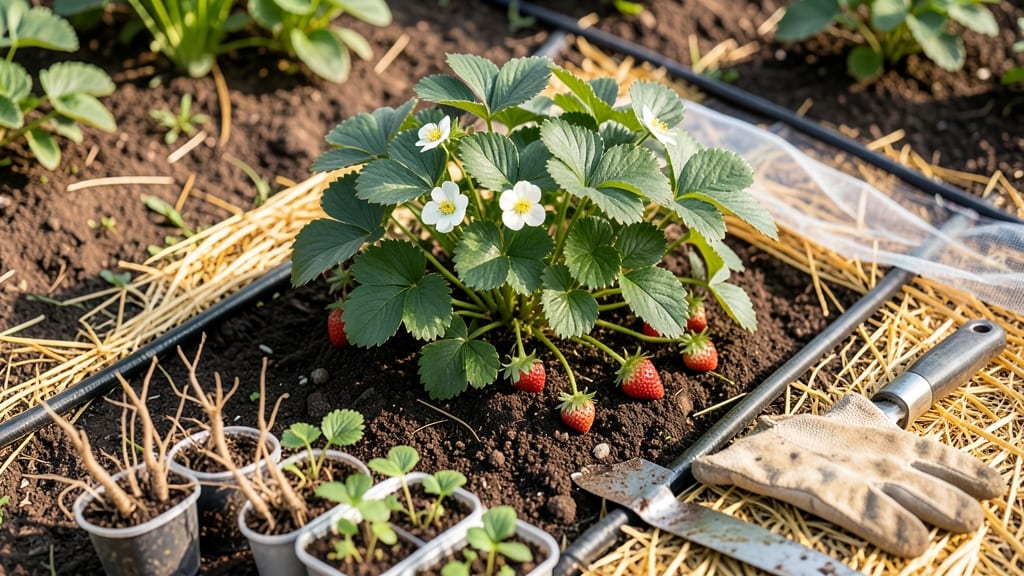
To plant strawberries in Arizona, aim for late fall through early spring when temperatures stay mild—think November to March for the best results.
Arizona’s scorching summers can turn strawberry gardening into a high-stakes game of timing—plant too early, and your berries bolt; too late, and heat stress kills them before fruiting. But with the right varieties and precise scheduling, you can harvest sweet, juicy strawberries even in the desert climate.
Most gardeners in USDA Zone 9b swear by planting in December or January, when cooler nights and shorter days help roots establish before the heat ramps up. This is when 🍓 varieties like 'Seascape' or 'Albion' thrive, producing fruit just as spring arrives.
Below, I’ll break down the exact planting windows for Phoenix, Tucson, and Flagstaff, plus how to prep your soil, choose heat-tolerant varieties, and keep your plants from wilting before they bear a single berry.
Best planting windows for Arizona strawberries: avoiding heat stress
Arizona’s desert climate demands precise timing for strawberry planting—November through March is your golden window to avoid heat stress and maximize yields. Unlike cooler climates, strawberries here can’t tolerate summer’s 100°F+ temperatures, which cause flower drop and poor fruit set.
The key is planting when soil temps stay below 75°F and days are shorter, allowing roots to establish before spring heat arrives.
Your location matters: Phoenix and Tucson (USDA Zone 9b-10a) have later frost-free windows than Flagstaff (Zone 7b), so adjust accordingly. In lower elevations, aim for mid-November to early December planting, while in cooler high desert areas, October to November works better.
The goal is to have plants fruiting by February-March before summer heat peaks.
Here’s the critical temperature threshold you must track: strawberry transplants thrive when soil temps are between 50°F and 65°F. Above 75°F, root growth stalls, and above 85°F, plants suffer heat stress. Use a soil thermometer to monitor—this is non-negotiable in Arizona’s climate.
For Phoenix and Tucson, I recommend planting bare-root strawberries in mid-November to give roots 8–10 weeks to establish before spring heat arrives. In Flagstaff, you can push planting to late September since cooler temps allow earlier growth.
Always check 7-day forecasts—avoid planting during 100°F+ heat waves, even in fall.
Extend your harvest with row covers or shade cloth. In March and April, when temps rise above 80°F, use 30–50% shade cloth to reduce leaf scorch and maintain fruit quality.
Secure covers with bricks or stakes to prevent wind damage, and remove them during cool evenings to allow pollination.
Pro tip: Mulch heavily with straw or wood chips (3–4 inches deep) to keep soil temps stable and retain moisture. This mimics Arizona’s natural desert mulch and reduces watering needs by 30–40%. Avoid dark mulches like black plastic—they absorb heat and can cook roots.
If you miss the fall window, April planting is possible but risky—only attempt it with day-neutral varieties like ‘Seascape’ and use drip irrigation to keep roots cool. Expect reduced yields and watch for sunburn on leaves, which appears as white or brown patches.
Remember: Strawberries need consistent moisture during fruiting, but never soggy soil. In Arizona’s dry air, water deeply 2–3 times per week in winter and daily in summer. Use drip irrigation to deliver water directly to roots and avoid wetting leaves, which can spread gray mold.
For container growing, plant in 12-inch pots with well-draining mix (50% potting soil, 30% perlite, 20% compost). Containers heat up faster, so move them to shaded areas during 100°F+ days. Elevate pots on brick feet to improve airflow and prevent root rot.
Your first harvest should arrive in 60–75 days after planting, but in Arizona’s climate, February–March is the sweet spot. With the right timing and protection, you’ll enjoy homegrown strawberries before summer heat shuts down production—worth every minute of planning! 🍓
Top heat-tolerant strawberry varieties for Arizona gardens
Arizona’s extreme heat makes selecting the right strawberry varieties your best defense against poor yields. Day-neutral varieties like 'Seascape' and 'Fort Laramie' thrive year-round, while June-bearing types like 'Albion' produce heavy crops but need cooler conditions.
The key is choosing varieties that balance heat tolerance with disease resistance—critical for Arizona’s dry climate.
My top recommendation for Arizona gardeners? Start with day-neutral varieties, which produce fruit continuously rather than in one big flush.
These varieties handle 100°F+ temperatures better than traditional June-bearing types, which often bolt or stop fruiting when temperatures rise above 85°F. Let’s dive into the best performers based on local trials.
📊 Summary Table: Best Heat-Tolerant Strawberry Varieties for Arizona
| Variety | Type | Heat Tolerance | Yield Potential | Disease Resistance |
|---|---|---|---|---|
| Seascape | Day-Neutral | Excellent (9/10) | High (continuous) | Good (gray mold, leaf spot) |
| Albion | June-Bearing | Moderate (7/10) | Very High (one flush) | Excellent (powdery mildew) |
| Fort Laramie | Day-Neutral | Excellent (9/10) | High (continuous) | Good (leaf spot, powdery mildew) |
| San Andreas | June-Bearing | Moderate (6/10) | Very High (one flush) | Excellent (disease-resistant) |
'Seascape' and 'Fort Laramie' are my go-to day-neutral varieties for Arizona because they produce fruit throughout the year, not just in spring. They handle 105°F temperatures with ease, making them ideal for desert gardens.
If you prefer a heavy one-time harvest, 'Albion' and 'San Andreas' are June-bearing varieties that thrive in cooler winter months but require shade during summer.
For disease resistance, prioritize varieties like 'Albion' and 'San Andreas', which are bred to resist powdery mildew and gray mold—common issues in Arizona’s dry heat.
Always plant in well-draining soil and avoid overhead watering to minimize fungal risks. I’ve found that mulching with straw helps retain moisture while keeping roots cool.
Pro tip: If you’re planting in Phoenix or Tucson, opt for shade cloth (30-50%) during peak summer months to protect your strawberries from heat stress.
Even heat-tolerant varieties benefit from afternoon shade when temperatures exceed 95°F. Pair your variety choice with proper irrigation scheduling, and you’ll enjoy strawberries from winter through early summer.