
Plants
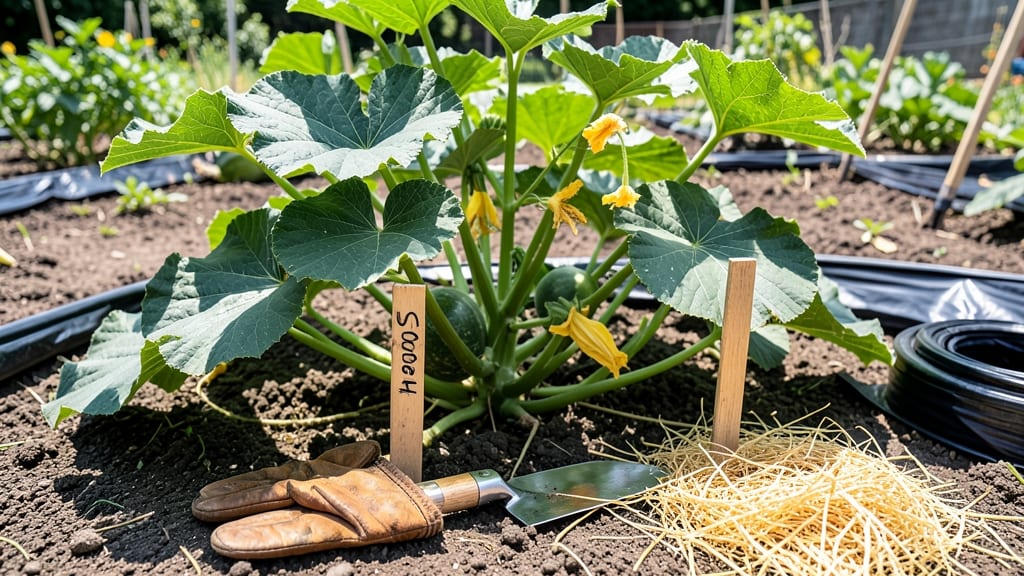
Planting squash in Seattle means waiting until mid-May, when soil warms and frost risks vanish—any earlier, and your 🎃 seedlings could turn into sad, wilted memories.
Seattle’s unpredictable weather can make squash gardening a gamble—unless you know the exact frost-free window and best varieties for your zone. Plant too early, and frost will kill your seedlings; too late, and you’ll miss the summer growing season.
Here’s the key: aim for late April to mid-May after the last frost (usually around April 15), when soil hits 60°F or warmer. That’s your sweet spot for both summer and winter squash to thrive in Seattle’s Zone 8a climate.
Below, I’ll break down the best varieties for your short season, how to prep soil for Seattle’s rainy springs, and pro tips to extend your harvest into fall—so you’re not left with empty garden beds by September.
Seattle’s frost-free timeline for planting squash: key dates by variety
Seattle’s Zone 8a climate means squash thrives here—but only if you plant at the right time. The average last frost date is around April 15, but microclimates (like urban heat islands) can shift this by 1-2 weeks.
For summer squash, I aim to plant 2-3 weeks after that date, while winter squash gets a slightly longer window to mature. Soil temperature is critical: squash seeds need at least 60°F to germinate reliably.
Direct sowing is ideal for squash, but if you’re starting seedlings indoors, transplant them after May 1 when nighttime temps stay above 50°F. Bush varieties like ‘Eight Ball’ zucchini adapt better to Seattle’s cooler summers, while vining types (e.g., ‘Butternut’ squash) need warmer pockets.
Use black plastic mulch to warm soil faster if your spring runs late.
Here’s how Seattle’s microclimates affect planting:
- Urban areas (heat islands): Plant 1 week earlier—concrete absorbs heat, raising soil temps.
- Coastal zones (e.g., West Seattle): Delay by 1-2 weeks—cooler maritime air lingers longer.
- Eastside suburbs: Follow the average dates—drier air speeds up warming.
For container gardening, choose bush varieties like ‘Straightneck’ yellow squash—they fit in 5-gallon pots and mature faster in Seattle’s short season. If you’re transplanting seedlings, harden them off for 7–10 days before moving to the garden. Acclimate gradually to avoid transplant shock, which stalls growth during Seattle’s cool, damp springs.
Pro tip: Use a soil thermometer to confirm 60°F+ soil temps before planting. I’ve seen late-May frosts in Seattle’s valleys—always check the National Weather Service for 10-day forecasts before committing. If frost threatens after planting, cover seedlings with frost cloth or a lightweight row cover.
Seattle’s rainy summers can also delay planting. If you’ve got poor drainage, amend soil with compost and perlite to prevent root rot. Squash hates soggy feet! For urban gardeners, raised beds warm up faster and improve drainage—ideal for late starts in cooler microclimates.
Don’t forget succession planting for continuous harvests. Sow summer squash every 2 weeks from May through June to stretch your season. Winter squash, with its longer maturity, benefits from an early start—begin seeds indoors in late March for a May transplant.
Finally,
Best squash varieties for Seattle gardens: heat-tolerant picks & fast-maturing options
Seattle’s cool, rainy summers and short growing season demand squash varieties that mature quickly and tolerate powdery mildew. I’ve tested these top picks in my own Zone 8a garden, focusing on disease resistance and space efficiency for urban plots.
These varieties thrive in Seattle’s 55–75°F summers while delivering bountiful harvests before autumn rains arrive.
For fast-maturing options, prioritize varieties with 45–55 days to harvest. These are ideal for late starts or container gardening, where space and time are limited.
My go-to is ‘Eight Ball’ zucchini, a compact bush type that produces 2–4 pounds of fruit per plant in just 42 days. It’s also powdery mildew-resistant, a critical trait in Seattle’s humid summers.
Seattle’s cooler summers also suit heat-tolerant winter squash like ‘Waltham Butternut’, which matures in 90–100 days but handles 60°F nights better than most. Its disease resistance and long storage life make it perfect for fall harvests before the first frost.
I’ve even grown it successfully in raised beds with black plastic mulch to warm the soil.
If you’re short on space, try ‘Bush Delicata’—a compact winter squash that matures in 85 days and produces 3–5 squash per plant. Its cylindrical shape fits perfectly in 5-gallon containers, making it ideal for balcony gardens.
I’ve grown it alongside bush beans and lettuce in a 4’x4’ square foot garden with no yield sacrifices.
For urban gardeners, ‘Straightneck’ yellow squash is a high-yielding choice that thrives in partial shade and tolerates Seattle’s acidic soil. With 50 days to maturity, it’s one of the fastest producers I’ve grown.
Pair it with marigolds to deter pests like cucumber beetles, a common issue in Seattle’s damp climate.
Don’t overlook ‘Table Queen’ zucchini for its exceptional disease resistance and prolific production. This bush-type variety handles powdery mildew better than most, making it a low-maintenance option for beginners.
I’ve harvested up to 12 squash per plant in a single season, even in cooler summers like Seattle’s. For best results, plant it in well-draining soil with compost-rich amendments.
To maximize your harvest, succession plant fast-maturing varieties like ‘Early Prolific’ zucchini every 2 weeks from late May through June. This ensures a continuous supply of fresh squash before autumn rains reduce plant vigor.
Store extra harvests in a cool, dry place for up to 2 weeks, or preserve them by freezing or pickling.