
Plants
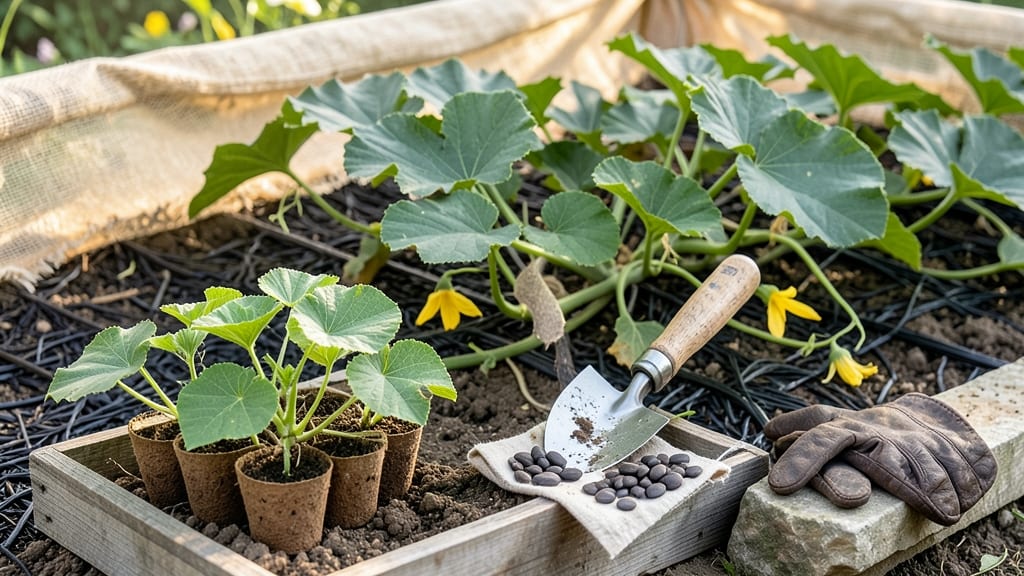
To plant squash in Oklahoma, aim for mid-April through mid-June after the last frost 🎃 — timing is everything for avoiding frost damage while giving vines enough heat to thrive.
Oklahoma’s hot summers and unpredictable spring weather can make squash planting tricky—but timing it right ensures a bountiful harvest of zucchini, butternut, and pumpkins.
In northern regions like Tulsa (Zone 6a), wait until late April when soil temperatures hit 60°F, while southern areas like Oklahoma City (Zone 7a) can start as early as mid-April.
Below, I break down the best months by variety, soil prep tips, and how to adjust for late frosts or early heatwaves so you get the best harvest possible.
Best planting months for squash in Oklahoma by variety type
Oklahoma’s diverse climate zones (USDA 6a-8a) mean your planting schedule should vary based on where you live. Northern regions like Tulsa face cooler springs, while western Oklahoma heats up faster. Soil temperature is your best guide—wait until it hits 60°F+ before planting.
Most squash varieties thrive in warm soil, so rushing can stunt growth or invite pests.
Squash falls into three categories: warm-season (most varieties), semi-warm (tolerates slight coolness), and cold-hardy (rare for squash). Zucchini and yellow squash are classic warm-season picks, while butternut and pumpkins often need a longer growing window. Microclimates matter—Oklahoma City’s urban heat island effect can push planting dates 1-2 weeks earlier than rural areas.
Black plastic mulch is my secret weapon for speeding up soil warming—it can add 10°F+ to soil temp in just days. If you’re in western Oklahoma, you might start planting by mid-April, while northeastern gardeners should wait until late April to early May. Frost dates vary wildly: Tulsa’s last frost averages April 15, but western Oklahoma can be frost-free by March 20.
| Variety Type | Best Planting Window | Soil Temp Requirement | Oklahoma Regions | Notes |
|---|---|---|---|---|
| Warm-Season (Zucchini, Yellow Squash) | Mid-April to early June | 60°F+ | Western OK: Mid-April Central OK: Late April Northeast OK: Early May |
Fast-growing; harvest in 45-55 days. Use row covers for early starts. |
| Semi-Warm (Butternut, Acorn) | Late April to mid-May | 55°F+ | All regions (tolerates cooler soil) | Longer season; needs 70+ days. Start seeds indoors in March for early harvests. |
| Cold-Hardy (Pumpkins, Winter Squash) | Late March to early June | 50°F+ | Western OK: Late March Central/Northeast: Early April |
Slow start; needs 90-120 days. Plant black plastic mulch to warm soil. |
| Fall Varieties (Winter Squash) | July (for late harvest) | 60°F+ | All regions (avoid late summer heat) | Extend season with row covers. Harvest before first frost (Oct-Nov). |
For direct sowing (planting seeds outdoors), stick to these windows: zucchini by May 1 in most of Oklahoma, butternut by April 15 in western regions, and pumpkins by April 1 in western Oklahoma. Transplants give you flexibility—start seeds indoors 3-4 weeks before your target outdoor date. Hardening off (acclimating seedlings to outdoor conditions) takes 7-10 days, so plan accordingly.
Oklahoma’s unpredictable weather means you should always have a backup plan. If nights stay below 50°F, use frost blankets or row covers to protect young plants. Western Oklahoma’s dry heat can stress squash, so mulch heavily to retain moisture.
In humid eastern regions, watch for powdery mildew—space plants 3-4 feet apart for airflow.
My top 3 pro tips for Oklahoma squash success:
- Test soil pH (aim for 6.0-7.0),
- Use black plastic mulch to warm soil faster, and
- Plant near corn or beans to improve soil fertility. Avoid planting near potatoes—they compete for nutrients and attract the same pests. Succession planting works well for zucchini: sow every 2 weeks until mid-June for a continuous harvest.
Don’t let Oklahoma’s variable climate stress you out—adjust your timeline based on soil temp, not just calendar dates.
If your last frost date shifts (which it often does), use a soil thermometer to confirm readiness. Overwatering is a common mistake—squash needs 1-2 inches of water weekly, but drought stress is worse than slight underwatering. Morning watering prevents fungal diseases that thrive in evening humidity.
For container gardening, choose bush varieties like ‘Eight Ball’
How to adjust planting timing for Oklahoma’s unpredictable weather
Oklahoma’s unpredictable spring frosts and scorching summer heat can throw off even the most experienced gardener’s timing. Squash, which thrives in warm soil (60°F+), often struggles when planted too early or too late.
The key is flexibility—knowing how to extend your growing season with row covers, black plastic mulch, or even indoor starts can make all the difference.
In northern Oklahoma (Zone 6a), like in Tulsa or Oklahoma City, wait until mid-April to early May to plant squash outdoors. But in southern Oklahoma (Zone 8a), such as Lawton or Altus, you can start as early as late March.
Always check your local last frost date—Oklahoma’s can vary by 2-3 weeks between regions.
⚠️ callout-warning
Oklahoma’s unpredictable late frosts (even in May) can kill young squash plants. Use row covers or black plastic mulch to warm soil faster. If frost threatens after planting, cover seedlings with frost cloth until temperatures rise above 32°F.
✅ Pro Tip: Plant bush varieties (like 'Eight Ball' zucchini) earlier—they mature faster than vining types.
For extended harvests, try a two-part planting strategy: Start your first batch of seeds indoors in late March (under grow lights) and transplant seedlings outdoors in mid-April.
Then, sow a second batch directly into the garden in early June for a fall crop. This works especially well for winter squash like butternut or acorn.
If early heatwaves arrive before your squash is established, shade cloth (30-50%) can protect young plants from heat stress. Remove it once vines start running to ensure proper pollination.
Squash flowers are sensitive to temperatures above 90°F, so morning watering (1-2 inches weekly) keeps soil cool and encourages blooming.
Before planting, prepare your beds with a checklist to avoid common pitfalls: ☑️ Test soil pH (aim for 6.0-7.0) ☑️ Amend with compost for fertility ☑️ Use black plastic mulch to warm soil ☑️ Space plants 3-6 feet apart (depending on variety) ☑️ Plant near corn or beans for companion benefits
By adjusting your timing with these strategies, you’ll beat Oklahoma’s weather challenges and enjoy a longer harvest season—from summer zucchini to fall pumpkins. The key is staying flexible and ready to adapt as the seasons shift. Happy gardening! 🎃