
Vegetables
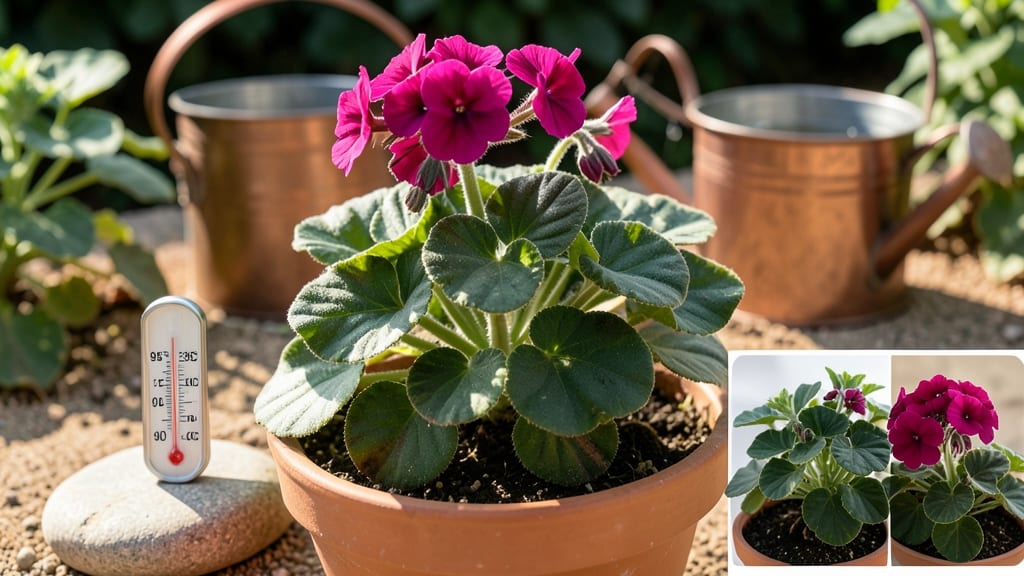
Mastering geranium heat tolerance means choosing the right varieties and care tricks to keep them blooming 🌸 through Zones 9-11 summers.
Struggling to keep your geraniums blooming in scorching Zones 9-11 climates? The right heat tolerance strategies can transform your struggling plants into thriving, year-round showstoppers—without constant fuss.
Heat stress shows up fast: wilting leaves, crispy edges, and flowers that refuse to open. But with the right approach—like adjusting watering schedules, providing afternoon shade, and picking heat-resistant varieties—you can turn those signs of distress into longer blooms and stronger stems.
Below, I’ll break down the key heat thresholds for geraniums, the top 5 strategies to protect them, and the best varieties that handle the hottest climates like pros.
How hot can geraniums tolerate? Heat Zones 9-11 survival guide
If you're growing geraniums in Zones 9-11, you know the scorching sun can turn vibrant blooms into wilted messes.
But here's the good news: with the right care, these hardy plants can thrive even when temperatures soar. Geraniums typically handle heat up to 95°F (35°C), but proper techniques can push their limits to 100°F (38°C) or higher during brief heatwaves.
The key lies in understanding how Pelargonium zonale (zonal geraniums) and Pelargonium peltatum (ivy geraniums) respond differently to heat. Zonal types often handle dry heat better, while ivy geraniums may need extra shade. Let's break down their heat thresholds and survival secrets for your high-heat garden.
Comparison Table: Geranium Heat Tolerance by Variety
| Variety | Heat Threshold (°F/°C) | Best Heat Adaptation | Key Care Tip |
|---|---|---|---|
| Pelargonium zonale (Zonal) | 95-100°F (35-38°C) | Drought-resistant foliage | Prune regularly to improve airflow |
| Pelargonium peltatum (Ivy) | 85-95°F (29-35°C) | Needs afternoon shade | Use light-colored containers |
| 'Scarlet Elite' (Zonal) | 100°F+ (38°C+) | Heat-tolerant blooms | Mulch with straw |
| 'Mavis Simpson' (Zonal) | 95°F (35°C) | Long bloom duration | Water at soil level |
| 'Vanity' (Ivy) | 85°F (29°C) | Delicate foliage | Provide 30% shade cloth |
For Zones 9-11 gardens, the optimal temperature range for geraniums is 70-85°F (21-29°C). When temperatures climb above 90°F (32°C), you'll need to implement protective measures.
The first sign of heat stress is wilting leaves that don't recover by evening - this indicates your plants are struggling to transpire efficiently.
One surprising fact is that geraniums actually grow better in heat when given the right conditions. The challenge isn't the heat itself, but the combination of high temperatures and poor airflow.
Proper spacing between plants (12-18 inches apart) creates microclimates that reduce heat stress. I've found that container-grown geraniums often handle heat better than in-ground plants because their roots stay cooler.
When temperatures exceed 100°F (38°C), even the hardiest varieties will show signs of distress. Look for yellowing leaves, dried blossoms, or leggy growth - these are clear signals it's time to intervene.
The good news is that with proper recovery care, most geraniums bounce back quickly once temperatures drop below 95°F (35°C) at night.
An often-overlooked heat protection strategy is soil temperature management. Dark soil absorbs heat like a solar panel, raising root zone temperatures. I recommend using light-colored mulch or even white gravel around your geraniums to reflect sunlight away from the soil.
This simple trick can keep root zones 5-10°F cooler than ambient air temperatures.
For container geraniums, the secret weapon is self-watering pots with insulated sleeves. These systems maintain consistent moisture levels while preventing the heat shock that occurs when roots dry out too quickly.
I've seen container geraniums thrive in 110°F (43°C) heat using this method, while identical plants in regular pots struggled.
Remember that heat tolerance varies by maturity. Young geraniums (under 6 months) are far more sensitive to heat than established plants. That's why I recommend gradual hardening when moving geraniums from indoor starts to outdoor heat.
Begin with 2-3 hours of morning sun, then gradually increase exposure over 2-3 weeks to build their resilience.
With these strategies, you can keep your geraniums blooming beautifully even in the hottest Zones 9-11 climates. The key is proactive care - don't wait until you see wilting to act. Regular monitoring and small adjustments will make all the difference in your heat zone garden. 🌸
5 Proven strategies to protect geraniums from heat stress
When summer temperatures climb above 90°F (32°C), your geraniums can quickly go from vibrant blooms to wilted messes. The key to heat tolerance isn't just about watering more—it's about creating the right conditions to help them thrive.
I've tested these strategies in my own Zone 10 garden, and they've kept my geraniums blooming well into October.
Geraniums are surprisingly resilient, but extreme heat can cause leaf scorch, stunted growth, and even death if ignored. The good news? With the right approach, you can protect your plants without sacrificing their stunning colorful blooms. Let's dive into the five most effective tactics I've found.
Water deeply before 9 AM to reduce evaporation. Use drip irrigation or soaker hoses to deliver water directly to roots.
Use 30-50% shade cloth during peak afternoon sun (12 PM–4 PM). Avoid full shade, which reduces flowering.
Apply 3-4 inches of mulch (straw or wood chips) to retain moisture and cool root zones. Replenish every 2-3 months.
Cut back 1/3 of leggy stems in early summer to encourage bushier growth. Remove spent blooms daily to prevent stress.
Mix compost and perlite (50/50) into planting holes to improve drainage and nutrient retention. Avoid heavy clay soils.
Let's start with watering, the most critical factor in heat stress prevention. I've found that morning watering is non-negotiable—it gives roots time to absorb moisture before the sun intensifies. Use a moisture meter to check soil levels; geraniums prefer slightly dry conditions between waterings but hate soggy roots.
For shade solutions, I recommend lightweight shade cloths over heavy fabric. These allow filtered sunlight while blocking the harshest rays. Place them on the west or south side of plants, where afternoon sun is most intense. You'll notice a difference within days—leaf burn disappears, and blooms stay vibrant.
Don't overlook mulching—it's one of the simplest yet most effective strategies. A thick layer of mulch acts like a thermal blanket, keeping roots cool and soil moist.
I use straw mulch because it breaks down slowly and adds organic matter. Just remember to keep it 2-3 inches away from stems to prevent rot.
When it comes to pruning, timing matters. I prune my geraniums in early June to stimulate new growth before the hottest months. Always use sterilized shears and cut just above a leaf node. This encourages compact, bushier growth that handles heat better than tall, leggy stems.
Finally, soil amendments make a surprising difference. I mix compost and perlite into the planting hole to create a well-draining, nutrient-rich environment. This prevents root rot while giving plants the energy they need to keep blooming. Test your soil's pH—geraniums prefer 6.0-7.0—and adjust with lime or sulfur if needed.